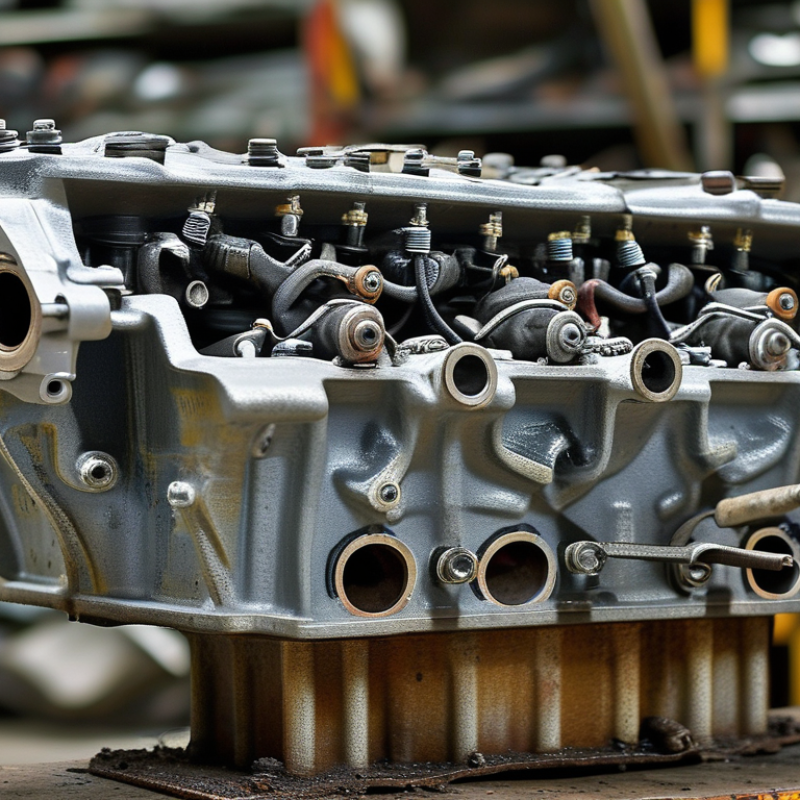
| Definition | An engine mount cushion is the resilient part of an engine mounting assembly. | It is commonly made from rubber, elastomer, or a fluid-filled composite design. | It supports the engine while reducing the transfer of vibration and noise to the vehicle body. |
| Primary Function | To isolate engine movement from the chassis and passenger compartment. | The cushion absorbs vibration caused by combustion, engine imbalance, and drivetrain movement. | Improves ride comfort, reduces cabin noise, and helps protect surrounding components. |
| Load Support | The mount cushion carries part of the engine and transmission assembly load. | The required capacity depends on engine mass, mounting layout, acceleration forces, and road impacts. | Correct support helps maintain engine position and prevents excessive stress on brackets and fasteners. |
| Vibration Isolation | The cushion separates engine vibration from the vehicle structure. | Rubber compounds are selected to provide flexibility and damping across normal operating temperatures. | Effective isolation reduces harshness felt through the steering wheel, floor, seats, and dashboard. |
| Movement Control | The cushion limits excessive engine rocking during starting, braking, acceleration, and shifting. | A properly functioning mount allows controlled movement but prevents large displacement. | Helps protect exhaust pipes, hoses, wiring, driveshafts, and intake connections from strain. |
| Common Construction Types | Different designs provide different levels of damping and movement control. | Solid rubber, hydraulic or fluid-filled, electronically controlled, and polyurethane-based designs are common categories. | The design must match the vehicle’s weight, engine characteristics, comfort requirements, and mounting system. |
| Material Characteristics | The material must remain flexible and durable under changing conditions. | Important factors include resistance to heat, oil, ozone, aging, compression, and repeated loading. | Material deterioration can reduce damping performance and increase engine movement. |
| Typical Failure Signs | Symptoms indicate that the cushion may be cracked, collapsed, separated, or leaking. | Common signs include increased vibration, clunking noises, visible cracking, fluid leakage, and excessive engine rocking. | Early diagnosis can help prevent secondary damage to connected components. |
| Effect on Drivetrain Alignment | The cushion helps keep the engine and transmission in their designed positions. | A collapsed mount can alter the angle of attached shafts, exhaust sections, hoses, or linkages. | Maintaining alignment supports smoother power delivery and reduces component stress. |
| Inspection Method | Inspection combines visual checks with observation of engine movement. | Look for torn rubber, separation, corrosion, loose fasteners, fluid leakage, and abnormal movement during controlled operation. | A qualified technician should perform safety-critical checks and confirm the cause of symptoms. |
| Service Life Factors | There is no single replacement interval for every vehicle or driving condition. | Heat, oil contamination, high mileage, rough roads, heavy loads, frequent stop-and-go driving, and aggressive acceleration can accelerate wear. | Regular inspection is more reliable than replacing the cushion solely according to age or mileage. |
| Replacement Considerations | The replacement part must match the original mounting position and design requirements. | Check fit, load capacity, damping characteristics, fastener condition, and manufacturer installation specifications. | Correct replacement restores vibration control and helps avoid premature wear or unsafe engine movement. |