Request Quote

Request a quote from Nidec Drive Technology America Corporation.

This quote form is intended for customers and partners in North America seeking information about Nidec Drive Technology America Corporation’s Precision Gearing Technologies. For inquiries related to the Nidec motor group division or from outside this region, please visit the global Nidec Group website to find the appropriate regional or product-specific contact.

Subscribe to Nidec Newsletter

Subscribe to our email newsletter to stay current with our precision gearing solutions, featured products, company updates, and industry news.

Why Choose a Terrain Cart for Global Sourcing?

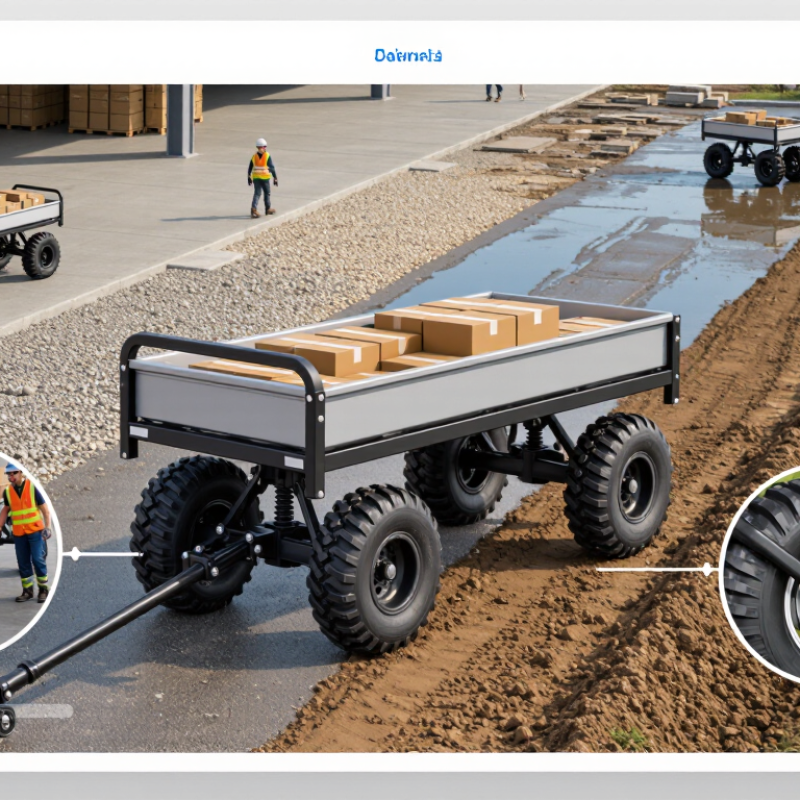
Global sourcing often begins with price, but terrain can quietly change the real cost. A Terrain Cart must perform beyond polished warehouse floors. It may cross gravel yards, wet loading areas, sloped farms, or uneven construction sites. These conditions expose weak wheels, poor brakes, and fragile frames quickly.

Dr. Elena Marquez, a terrain logistics consultant with field experience across industrial supply chains, says, “A cart earns its value when the ground stops cooperating.” Her observation reflects a practical sourcing concern. Buyers need more than a low factory quote. They need stable movement, dependable load support, accessible replacement parts, and clear product specifications. A well-designed Terrain Cart can reduce manual lifting, shorten transfer time, and improve handling consistency between locations. That matters when suppliers operate across different climates and infrastructure levels.

However, choosing globally is not automatically better. A heavier cart may survive rough ground but increase shipping costs. A cheaper model may appear efficient until its wheels fail during the rainy season. Small details matter, including wheel diameter, frame coating, handle height, and braking performance. These details deserve testing.

The sourcing decision should include samples, site trials, supplier audits, and honest cost comparisons. Buyers should also review maintenance instructions and service availability before placing large orders. A Terrain Cart is useful, but it is not a universal solution. Its value depends on matching the design to actual terrain, workload, and operating habits. That step is sometimes missed. And it can be expensive.

Why Choose a Terrain Cart for Global Sourcing?

What Is a Terrain Cart and How Does It Support Global Sourcing?

A terrain cart is a compact utility vehicle designed to move people, tools, or cargo across uneven ground. It may use wide tires, stronger suspension, and low-speed torque. Unlike a standard warehouse trolley, it can handle gravel, slopes, wet yards, and unfinished loading areas. This matters in global sourcing because goods often travel through mixed environments. Containers may arrive at a paved port, then move through rural supplier sites or temporary storage yards.

The World Bank’s Logistics Performance Index 2023 found that shipments can take about 44 days, on average, from entering a port to reaching their destination. Small handling delays can become expensive. A terrain cart can support receiving checks, sample collection, pallet movement, and short-distance transfers near factories. UNCTAD also reports that more than 80% of global merchandise trade by volume moves by sea. The final few meters still need reliable handling. That part is often overlooked.

Tips: Match payload, ground clearance, turning radius, and battery range to each site. Confirm local safety rules before deployment. Keep a manual backup plan. Terrain carts are useful, but not universal. Tight aisles, steep ramps, and fragile packaging may expose their limits. Procurement teams should test the cart with real loads, not empty demonstrations. Record tire wear, charging time, and operator feedback during a pilot. A cheaper cart may create slower loading. That is worth questioning.

Which Industries and Applications Benefit from Terrain Carts?

Terrain carts serve industries that move people, tools, or materials across uneven ground. Their low-pressure tires can cross gravel, mud, grass, and sloped paths with less surface damage. On farms, workers use them to carry feed, irrigation parts, crates, and hand tools between fields. A stable cargo bed also reduces repeated lifting, especially during long harvest days.

Construction teams benefit when buildings lack finished roads or reliable power access. Terrain carts can transport pipes, fasteners, compact equipment, and inspection gear around active sites. In forestry, they support trail maintenance, surveying, and controlled material movement. Utility crews may use them near substations, pipelines, or remote service routes, where ordinary vehicles are too wide or heavy. Operators still need clear load limits and careful route planning.

Resorts, campuses, and outdoor venues use terrain carts for groundskeeping, waste collection, and event setup. They can reach narrow paths behind guest areas without bringing in a full-size truck. Healthcare and emergency teams may also adapt suitable carts for supplies in remote facilities, but medical use demands strict safety review. A cart is not a magic solution. Wet slopes, loose soil, and poor visibility can still create serious risks. In practical sourcing, buyers should check braking performance, battery or fuel access, spare parts, operator training, and local transport rules. One overlooked detail can weaken the whole investment.

How to Evaluate Terrain Cart Performance and Specifications?

When sourcing a terrain cart, evaluate performance beyond its advertised payload. A cart carrying 800 kilograms on flat concrete may struggle on wet gravel. Ask for test results on slopes, loose soil, and uneven paths. Gradeability, ground clearance, and tire design reveal practical capability. Short sentences matter. Test the turning radius too.

Check the motor, battery capacity, braking system, and charging requirements together. A powerful motor is not useful if the battery loses range in cold conditions. Confirm whether the cart can maintain speed under a measured load. Review protection ratings, operating temperatures, and noise levels. These details affect warehouses, farms, construction areas, and remote facilities. I have seen buyers focus on maximum range and overlook braking distance. That was a costly assumption. Request service records, component warranties, inspection procedures, and replacement-part availability before placing a global order.

Reliable suppliers should provide clear drawings, load charts, user manuals, and documented test methods. Compare rated capacity with the center of gravity and cargo position. A tall crate can make a stable cart unstable. Ask for demonstrations using your actual cargo dimensions. Video evidence helps, but it cannot replace an in-person inspection. Performance claims may also vary between production batches. Require sample testing before approving larger quantities. Leave room for uncertainty. Weather, terrain, operator habits, and maintenance quality can change results. A careful evaluation records these variables instead of treating one impressive test as final proof.

Why Choose a Terrain Cart for Global Sourcing?

Terrain carts are commonly evaluated by payload capacity, gradeability, ground clearance, operating range, and turning radius. Payload capacity is a useful first-screening metric because it directly affects transport efficiency, labor requirements, and the number of trips needed on uneven sites.

The chart shows representative payload benchmarks for common terrain-cart categories: light-duty carts are generally suited to maintenance and small-load applications, utility carts support routine material handling, and heavy-duty carts are designed for demanding off-road transport. Before sourcing, verify the supplier’s rated payload, maximum slope, ground clearance, battery or fuel range, braking system, and compliance documentation under your actual operating conditions.

What Factors Influence Terrain Cart Sourcing and Supplier Selection?

Choosing a terrain cart for global sourcing begins with the worksite, not the catalog. A cart crossing gravel, wet grass, and uneven loading areas needs stable wheels, strong clearance, and controlled steering. Field evaluations show that small design details often decide whether operators trust the equipment. A narrow handle may save storage space but strain hands during long shifts. That trade-off matters.

Supplier selection should examine load capacity, frame materials, wheel construction, and braking performance. Ask for test reports, drawings, sample units, and clear tolerance data. A reliable supplier explains how the cart performs after repeated impacts, rain exposure, and daily cleaning. Do not rely on attractive photos. Inspect welds, fasteners, axle alignment, and surface finish on a physical sample. Practical reviews sometimes reveal weak wheel hubs behind impressive specifications. That mistake is expensive.

Global sourcing adds concerns about packaging size, delivery consistency, spare parts, and communication across time zones. Confirm production capacity before placing a large order. Also review quality-control records and corrective-action procedures. A supplier with documented inspections is easier to assess than one offering vague assurances. Still, documentation cannot replace an on-site audit or independent inspection for important orders. Even experienced buyers miss something. Compare total landed cost, expected service life, operator safety, and supplier responsiveness. The lowest unit price may create the highest maintenance burden.

How to Manage Quality, Compliance, and Logistics Across Borders?

Why Choose a Terrain Cart for Global Sourcing?

How to Manage Quality, Compliance, and Logistics Across Borders?

A terrain cart can support global sourcing when factories, farms, warehouses, and ports have uneven surfaces. Its value depends on more than wheels and frame strength. Buyers should define load capacity, ground clearance, braking performance, and operating temperature before requesting quotations. A sample test often reveals weaknesses that product drawings hide. Mud, gravel, and narrow ramps create different stresses.

Quality management starts with clear inspection criteria. Check welds, fasteners, wheel alignment, handle movement, and corrosion protection. Use photographs, measurements, and batch records during production inspections. Independent testing can improve confidence, especially when suppliers operate far away. Still, no inspection plan is perfect. A missed measurement can become an expensive delay.

Tips: Approve a pre-production sample. Ask for material specifications and test records. Confirm packaging protects wheels and handles from moisture. Review certificates carefully, and verify they match the actual model. Keep spare parts available near the destination market. This reduces downtime when replacement shipments cross borders.

Compliance requires practical attention. Confirm product labeling, safety documentation, import classifications, and destination-country requirements before production. Requirements may vary between markets. Logistics planning should cover carton dimensions, pallet limits, insurance, customs documents, and delivery responsibilities. Small document errors can hold a shipment for days. A local customs professional may identify risks that remote teams overlook.

Why Choose a Terrain Cart for Global Sourcing? — How to Manage Quality, Compliance, and Logistics Across Borders?

Management Area Key Control Point Recommended Requirement Practical KPI or Target Evidence to Collect Cross-Border Risk Reduced
Product Definition Terrain, payload, slope, speed, and operating environment Specify operating surface, maximum payload, ground clearance, turning radius, braking method, weather exposure, and duty cycle before supplier quotation. 100% of critical requirements included in the approved specification Signed product specification, drawings, bill of materials, and change-control record Different interpretations of “off-road” capability, payload, or intended use
Supplier Qualification Factory capability and process maturity Assess production capacity, quality controls, traceability, subcontractor management, maintenance, and corrective-action procedures. Supplier audit completed before purchase order; corrective actions closed before shipment Audit report, process flow, control plan, equipment list, and quality certificates where applicable Capacity shortfalls, uncontrolled subcontracting, and inconsistent production quality
Incoming Materials Frame, tires, wheels, fasteners, motors, batteries, and electrical parts Use approved part numbers, material specifications, sample checks, and lot-level traceability for safety-critical components. 100% verification of safety-critical parts; documented sampling for other components Certificates of conformity, inspection records, batch numbers, and supplier declarations Material substitution, counterfeit components, and weak product traceability
Production Quality Assembly, welding, fastening, wiring, and functional testing Apply documented work instructions, torque controls, weld inspection, electrical checks, and final functional testing. First-pass yield target defined by product maturity; zero unresolved critical defects at release Inspection plan, torque logs, weld records, test results, and nonconformance reports Mechanical failure, unsafe assembly, and inconsistent performance between batches
Pre-Shipment Inspection Quantity, appearance, dimensions, operation, packaging, and accessories Use an agreed acceptance checklist and inspect a statistically justified sample or the complete shipment for critical features. Inspection completed before release; all critical defects rejected Inspection report, photographs, serial-number list, packing list, and approval record Receiving disputes, hidden defects, quantity shortages, and rework after arrival
Regulatory Compliance Destination-country product classification and mandatory requirements Confirm whether the cart is treated as industrial equipment, a vehicle, recreational equipment, or another regulated product in each destination. Compliance review completed before tooling or mass production Applicable regulations, technical file, risk assessment, declarations, labels, and user manual Customs holds, market-access problems, recalls, penalties, or import rejection
Electrical and Battery Safety Battery chemistry, charger, wiring, protection, and transport status Identify battery type and shipping classification early; verify charger compatibility, protection devices, insulation, and required transport documentation. Battery and charger documentation approved before booking freight Battery test summary, safety data sheet where applicable, charger specification, labels, and packing instructions Carrier refusal, dangerous-goods delays, fire risk, and incompatible charging systems
Environmental Compliance Restricted substances, packaging, batteries, and end-of-life obligations Map destination requirements for restricted substances, packaging materials, battery recycling, and electronic components where relevant. Applicable environmental obligations identified for every destination market Material declarations, supplier statements, packaging specification, and recycling information Non-compliant materials, border delays, disposal costs, and customer complaints
Packaging and Handling Protection against impact, moisture, vibration, and incorrect lifting Design packaging around product weight, center of gravity, loading equipment, container dimensions, and destination handling conditions. No transport-related damage in receiving inspection; packaging damage rate tracked by shipment Packaging drawings, drop or vibration validation where needed, loading photographs, and handling labels Frame damage, corrosion, missing parts, unsafe unloading, and insurance claims
Trade Documentation Commercial invoice, packing list, origin, tariff classification, and transport documents Align product description, quantities, weights, values, country of origin, tariff code, and shipping terms across all documents. Document discrepancy rate kept below 1% of shipments Commercial invoice, packing list, transport document, origin evidence, and customs instructions Customs reclassification, duty disputes, clearance delays, and storage charges
Incoterms and Insurance Transfer of cost, risk, export clearance, freight, and import responsibilities Select an Incoterms® rule that clearly defines delivery point, risk transfer, insurance responsibility, and customs obligations. Responsibilities approved before purchase order and reflected in contract documents Purchase contract, freight quotation, insurance certificate, and responsibility matrix Uninsured loss, unexpected landed cost, and disputes over damaged goods
Transit Planning Mode selection, lead time, consolidation, and delivery appointment Compare container, truck, rail, air, and multimodal options using total landed cost, product urgency, battery restrictions, and damage exposure. On-time delivery target defined by customer and replenishment needs Routing plan, booking confirmation, milestone tracker, estimated arrival, and contingency plan Port congestion, missed production windows, demurrage, and stockouts
Receiving and Warranty Arrival inspection, commissioning, spare parts, and claims handling Define quarantine, acceptance, defect reporting, replacement-part availability, response time, and warranty escalation procedures. Initial inspection completed within 48 hours of receipt; corrective-action owner assigned for every confirmed defect Receiving checklist, serial-number records, defect photographs, service reports, and warranty log Unclear liability, prolonged downtime, and expensive reverse logistics

Planning note: KPI values are practical starting points for sourcing programs. Final requirements should be confirmed against the product design, destination-country regulations, transport mode, contract terms, and intended application.