2026 Top Trends in Metal Forming for Modern Manufacturing?
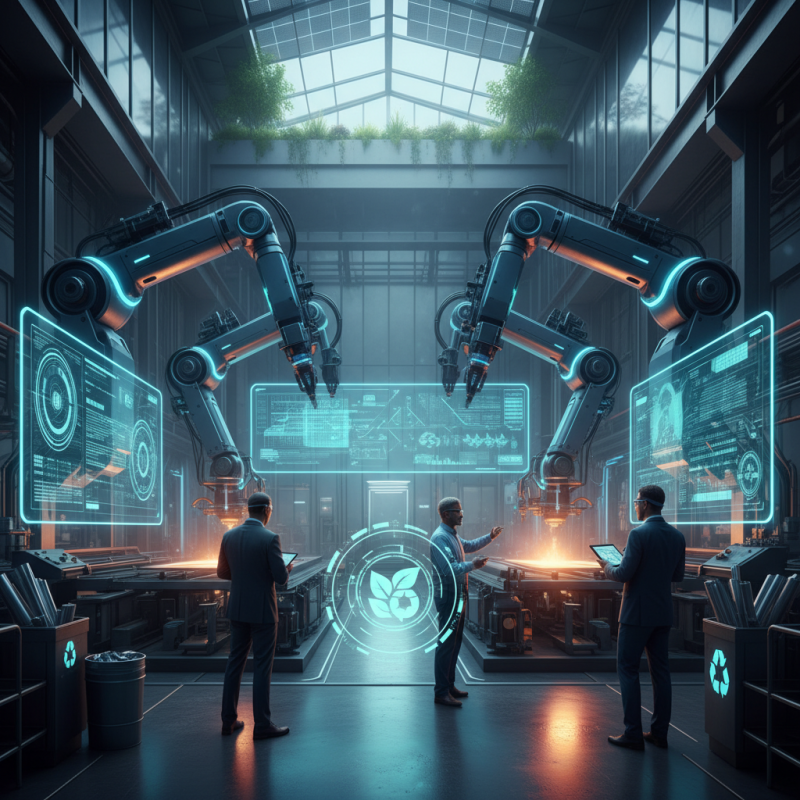
In the evolving landscape of modern manufacturing, metal forming stands at the forefront. Experts predict transformative shifts in the industry by 2026. John Smith, a renowned figure in metal forming, states, "Adaptability will define the future of metal forming."
As manufacturers embrace new technologies, they must confront unique challenges. The integration of automation and AI is reshaping processes. However, it is crucial to reflect on potential downsides. Skilled labor shortages may hinder progress. Manufacturers must invest in training to bridge this gap.
Sustainability remains a pressing concern. Green practices must become integral to metal forming. Many firms are struggling to balance efficiency with environmental responsibility. It's a delicate dance of innovation and tradition. The future of metal forming depends on how well these issues are addressed, shaping a new era in manufacturing.
Future Innovations in Metal Forming Techniques for 2026
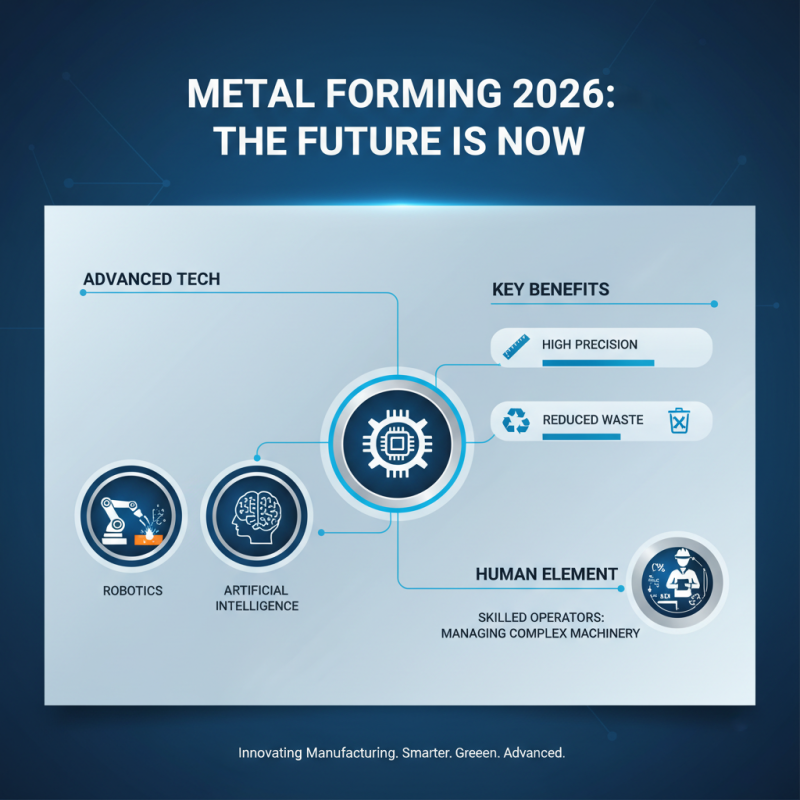
The future of metal forming techniques shows promise with several innovations on the horizon for 2026. Advanced robotics and artificial intelligence are transforming how metal components are shaped and processed. These technologies enable high precision and reduced waste, but they also require skilled operators who can manage complex machinery.
New techniques like additive manufacturing will likely gain momentum. This method allows for creating intricate metal parts layer by layer, which traditional methods can't achieve easily. However, challenges exist, such as material limitations and longer production times. The balance between speed and quality remains a topic of reflection for engineers.
Sustainability is another critical area. Eco-friendly processes are becoming essential as industries face pressure to reduce their carbon footprints. While some metal forming techniques are improving energy efficiency, many manufacturers struggle to adapt. It will be fascinating to see how they address these challenges while embracing the innovations of 2026.
Impact of Industry 4.0 on Metal Forming Processes and Efficiency
The integration of Industry 4.0 is revolutionizing metal forming processes. Smart factories are optimizing efficiency through automation and real-time data analysis. Sensors embedded in machinery provide minute-by-minute feedback. This enables quicker adjustments to production processes. Such advancements can lead to vast improvements in precision and reduced waste.
However, the transition to a fully digital environment is not without challenges. Many companies struggle with the initial investment in technology. Training employees to work with new tools takes time. Some might resist change, fearing job loss or increased complexity. These hurdles require careful planning and open dialogues among teams.
Despite these concerns, the potential benefits are significant. Enhanced data collection can inform better decision-making. Analytics can identify trends that humans might overlook. As processes become more interconnected, the risk of operational disruptions also decreases. Failing to embrace these trends could lead to obsolescence in a highly competitive market.
Sustainable Practices in Metal Forming: Trends and Technologies
Sustainable practices in metal forming are shaping the future of manufacturing. A recent report indicates that over 70% of metal forming companies are prioritizing sustainability. This shift reflects an increasing demand for eco-friendly processes. Recycled materials are now common in the industry.
Many companies are adopting innovative technologies. For instance, advanced machinery reduces waste significantly. Techniques like precision forging can improve efficiency. Yet, there are challenges. The initial investment can be high. Not all businesses can afford this shift.
Tips: Start small. Implement changes gradually. Evaluate the impact of each step. Monitor energy use closely. Aim for continuous improvement. Engage with your workforce for better ideas. Their insights can lead to valuable changes. Transitioning to sustainable practices may not be easy, but it’s essential for future growth.
2026 Top Trends in Metal Forming for Modern Manufacturing
This chart highlights the top trends in metal forming for modern manufacturing as projected for 2026, showcasing the impact score of various trends such as automation, sustainable practices, and digital technologies.
Advanced Materials Shaping the Future of Metal Forming Industries
The evolution of metal forming in manufacturing heavily relies on advanced materials. In 2026, these materials are redefining the way industries approach design and production. Lightweight alloys, for example, enable engineers to create robust structures while reducing overall weight. This shift not only enhances performance but also improves fuel efficiency in transportation.
New composites are emerging, combining various elements to achieve superior strength and durability. However, using these advanced materials can pose challenges. They often require specialized equipment and expertise that may not be widely available to all manufacturers. Training and adaptation are essential, yet resources might be limited.
Sustainability is another critical factor. Many manufacturers are focusing on eco-friendly practices and renewable materials. Organic and recycled components are becoming more popular. Yet, the industry still grapples with balancing performance and environmental impact. The way forward requires ongoing reflection and collaboration among stakeholders to ensure both innovation and responsibility.
Role of Automation and Robotics in Modern Metal Forming Applications
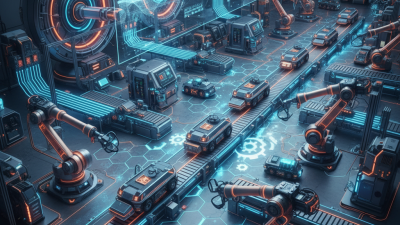
In 2026, automation and robotics will play a pivotal role in metal forming. These technologies drive efficiency and precision, reshaping production lines. According to a recent report, over 70% of metal forming companies plan to invest in automation to enhance performance. This trend reflects the industry's shift towards smart manufacturing.
Tip: Embrace adaptive robotics. These robots can adjust to different tasks without extensive reprogramming. This flexibility is crucial as production demands evolve.
Metal forming processes require consistency and quality. Robotics can significantly reduce errors. A study shows that automation can decrease scrap rates by up to 30%. This not only saves resources but also meets stringent quality standards. However, integrating these technologies can be challenging. Many companies find the learning curve steep.
Tip: Invest in training. Employees must understand automation tools to maximize benefits. Their insights can also pinpoint areas needing improvement, fostering a culture of continuous evolution.
As metal forming advances, collaboration with robotics will deepen. New techniques and materials will emerge, demanding more from these automated systems. It's essential to remain vigilant and open to adaptations. Maintaining this mindset will ensure long-term success in a rapidly changing landscape.