Top 10 Filling Machines for Efficient Production Needs?
In the fast-paced world of manufacturing, efficiency is crucial. According to Jane Thompson, a leading expert in the filling machine industry, “The right filling machine can make or break production lines.” With the right equipment, companies can optimize their processes and save time.
Filling machines play an essential role in various industries, from food and beverage to pharmaceuticals. Selecting the most suitable machine can be challenging. Different products require different filling techniques. Understanding these nuances is key to improving overall production efficiency.
Some filling machines may promise quick results but fail in performance. This can lead to wastage and downtime. It’s vital to thoroughly assess available options. Experts recommend evaluating machines not just for speed but for precision as well. This balanced approach ensures quality alongside efficiency, reinforcing the importance of making informed choices in the filling machine sector.
Top Characteristics of High-Performance Filling Machines in Production
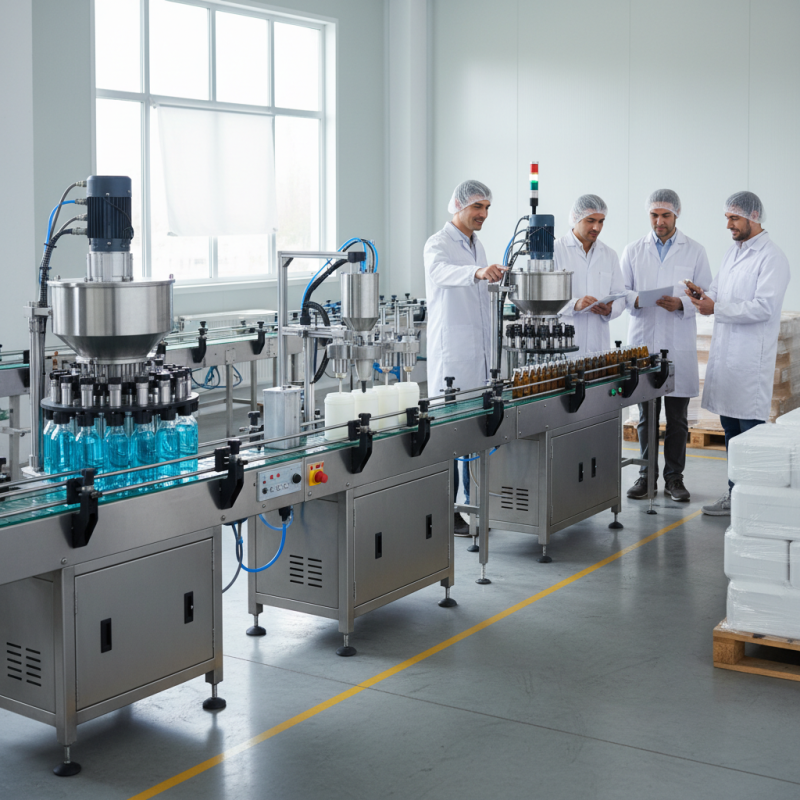
The efficiency of production lines heavily depends on selecting the right filling machines. High-performance filling machines share several key characteristics. First, speed is crucial. Reports indicate that modern filling machines can operate at rates exceeding 120 bottles per minute. This is vital for large-scale operations.
Another essential characteristic is accuracy. Filling machines should minimize overfilling and underfilling incidents. A deviation of just 1-2% can lead to significant losses in materials and revenue. Research shows that machines with advanced flow and pressure sensors significantly improve accuracy.
**Tips**: Ensure to regularly calibrate your machines. This practice enhances consistency and reduces waste. Also, consider machine adaptability. As production needs change, machines should easily switch between different product types or sizes. Flexibility can improve overall efficiency.
Durability is equally important. Machines need to withstand the rigors of continuous operation. High-performance materials are essential for maintaining reliability. Some operators face challenges in maintenance, leading to unexpected downtimes. Regular inspections can prevent these situations.
Investing in high-performance machines is not just about initial costs. The long-term benefits, including reduced operational costs and increased output, outweigh the expenses. In today's competitive landscape, efficiency and reliability should drive machine selection.
Top 10 Filling Machines for Efficient Production Needs
Understanding Different Types of Filling Machines: From Liquid to Powder
Filling machines play a crucial role in various industries, from food and beverage to pharmaceuticals. They streamline production and enhance efficiency. Understanding the diverse types of filling machines can help businesses meet specific production needs. For instance, liquid filling machines are essential for products like juices and oils. According to a recent market report, the liquid filling machine market is projected to grow at a CAGR of 5.3% between 2023 and 2028.
In contrast, powder filling machines cater to industries that package dry goods like herbs and spices. These machines often use auger systems to ensure precision. A study highlighted that 40% of packaging errors stem from inaccurate filling processes. This underlines the importance of investing in high-quality machines. Companies targeting efficiency must carefully evaluate their filling machine options to avoid waste and ensure product integrity.
However, selecting the right filling machine is not straightforward. Companies often grapple with aligning machine capabilities with production goals. This complexity can lead to overspending or even production delays. It's essential for manufacturers to critically assess their needs and research thoroughly. While automation can significantly boost productivity, understanding the nuances of each type is vital for successful implementation.
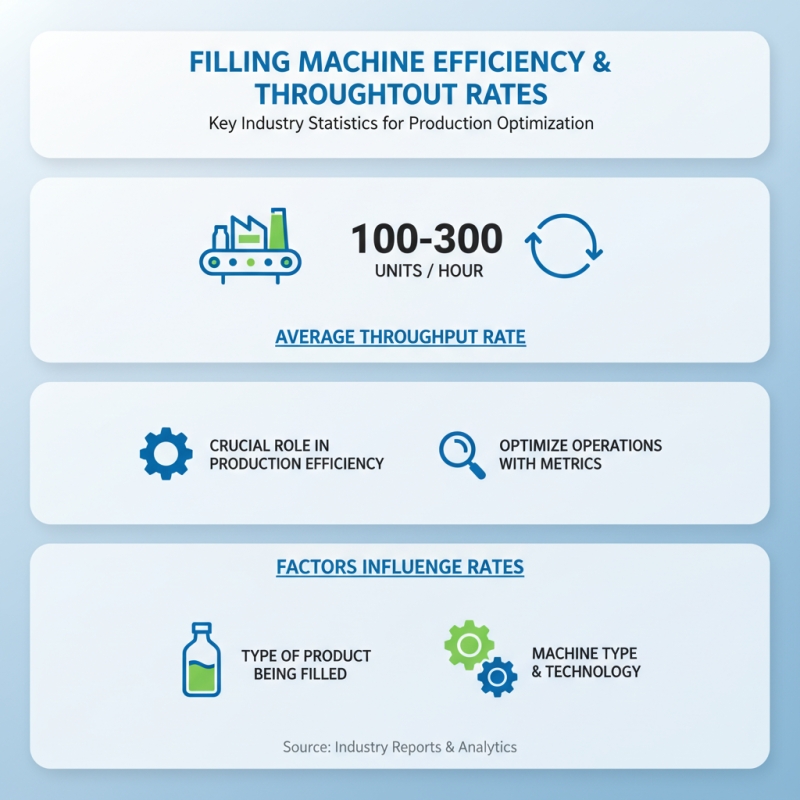
Key Industry Statistics on Filling Machine Efficiency and Throughput Rates
Filling machines play a crucial role in production efficiency. Understanding key efficiency metrics can guide businesses in optimizing their operations. For instance, the average filling machine can achieve a throughput rate of 100 to 300 units per hour. This range varies widely based on several factors, including the type of product being filled.
Industry statistics suggest that operational downtime can reduce overall productivity significantly. Companies that monitor their filling processes often find areas for improvement. Regular maintenance is vital; any hiccup can lead to costly delays. Implementing preventive measures can enhance machine longevity and performance.
Moreover, the accuracy of filling machines is another critical factor. Filling tolerances often range from ±0.5% to ±2%. Over time, even slight inaccuracies can lead to inconsistent product quality. Addressing these inconsistencies requires both technology and skilled personnel. Investing in training can pay off, ensuring operators can troubleshoot and maintain equipment effectively.
Factors Influencing the Choice of Filling Machines in Manufacturing Settings
When choosing filling machines, several factors come into play. The product type is critical. Liquid, powder, and granular substances all demand different filling technologies. According to industry reports, over 40% of manufacturers cite product compatibility as a key consideration. This ensures that the machine can handle the precise characteristics of the substance being filled.
Speed and efficiency are also paramount. The average production line operates at speeds of 60-100 units per minute. A machine that cannot meet these speeds can lead to bottlenecks. Recent studies show that 30% of production downtime is attributed to inefficient filling operations. Companies must analyze their production needs carefully to avoid costly errors.
Cost is another crucial factor. While investing in high-end machinery may seem appealing, manufacturers must consider long-term maintenance and operational costs. A report indicates that 25% of filling machine failures arise from improper usage and maintenance. This highlights the importance of training and operational protocols for staff. Effectiveness depends not only on the machine but also on the operator's expertise in handling it.
Future Trends in Filling Machine Technology and Production Efficiency
Filling machines play a crucial role in manufacturing efficiency. As technology evolves, these machines become increasingly sophisticated. We're seeing the integration of AI and machine learning, enhancing their adaptability. This shift allows machines to optimize workflows and reduce downtime. Well-designed systems can now learn from operational data, making adjustments in real-time.
The trend towards automation does raise concerns. Not all operations can benefit from automated systems. Smaller businesses may struggle with the initial investment. Automation can miss some nuances of manual processes. Despite these drawbacks, the future looks promising. Machines are becoming more user-friendly, requiring less specialized knowledge. This democratization of technology is essential for production growth.
Efficiency in filling machines also leans on sustainability. More companies are focusing on eco-friendly practices. Waste reduction and energy efficiency are important goals. Innovations in material science lead to lighter, more efficient components. These trends support a more sustainable manufacturing future while enhancing performance.
Top 10 Filling Machines for Efficient Production Needs
| Machine Model |
Filling Type |
Production Speed (BPM) |
Volume Range (ml) |
Technology |
| Model A |
Liquid |
120 |
50 - 500 |
Electromechanical |
| Model B |
Paste |
100 |
100 - 1000 |
Pneumatic |
| Model C |
Granular |
80 |
200 - 2000 |
Servo |
| Model D |
Liquid |
150 |
250 - 750 |
Electrohydraulic |
| Model E |
Cream |
90 |
20 - 500 |
Electromechanical |
| Model F |
Liquid |
110 |
150 - 800 |
Vacuum |
| Model G |
Granular |
130 |
100 - 1500 |
Servo |
| Model H |
Paste |
85 |
200 - 1500 |
Pneumatic |
| Model I |
Liquid |
160 |
50 - 1000 |
Electrohydraulic |
| Model J |
Cream |
95 |
100 - 300 |
Vacuum |