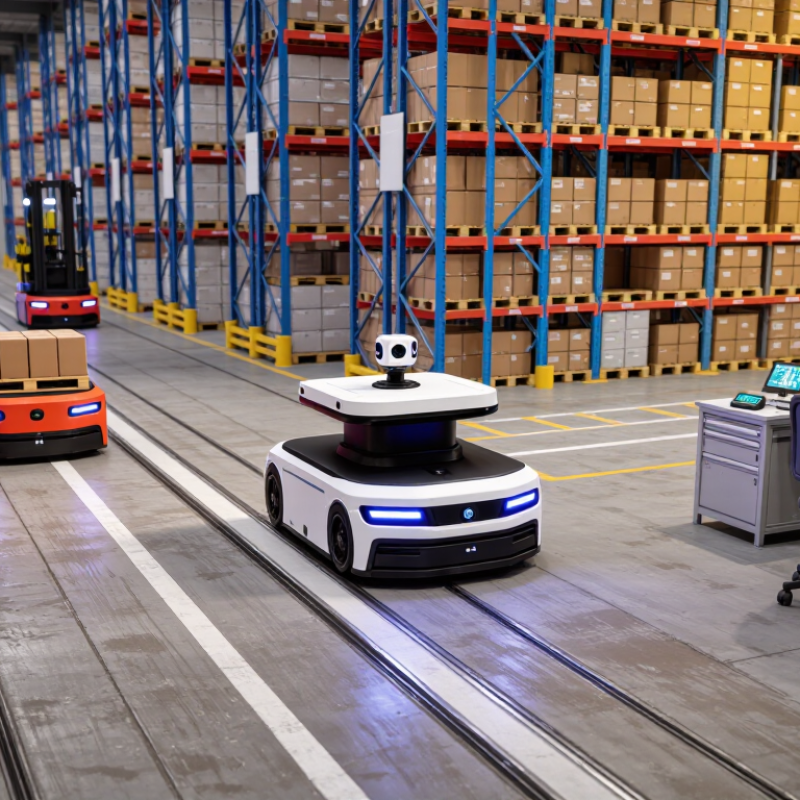
AGV and AMR systems are moving beyond pilot projects into warehouses, factories, hospitals, and retail distribution centers. Their value depends on workflow design, not vehicle speed alone. AGVs follow fixed routes, markers, or magnetic guidance. They suit stable, repetitive transport tasks. AMRs use sensors and software to navigate changing spaces. In a warehouse, an AMR can carry totes from picking stations to packing benches while workers focus on order accuracy. Small details matter. Floor quality, Wi-Fi coverage, and pedestrian behavior can affect performance.
Manufacturing plants use AGVs to deliver components between storage areas and assembly lines. This reduces manual cart traffic and supports predictable line feeding. AMRs handle mixed-model production, where parts and quantities change hourly. Yet a poorly timed robot may block a narrow aisle or arrive before operators are ready. That is a real operational risk. Hospitals may use mobile robots for linens, meals, specimens, and pharmacy supplies. They can reduce routine walking, but elevators, infection-control zones, and human consent require careful planning.
Food, beverage, and cold-chain facilities use automated vehicles for pallet movement in chilled environments. Retail centers benefit from inventory scanning and flexible replenishment. Buyers should test peak shifts, not only quiet pilot hours. Safety scanners, emergency stops, access controls, and documented maintenance support dependable operation. Some projects overestimate automation and underestimate change management. That lesson deserves attention. A practical assessment should measure throughput, downtime, charging, handoff delays, and fault recovery before expanding the fleet.