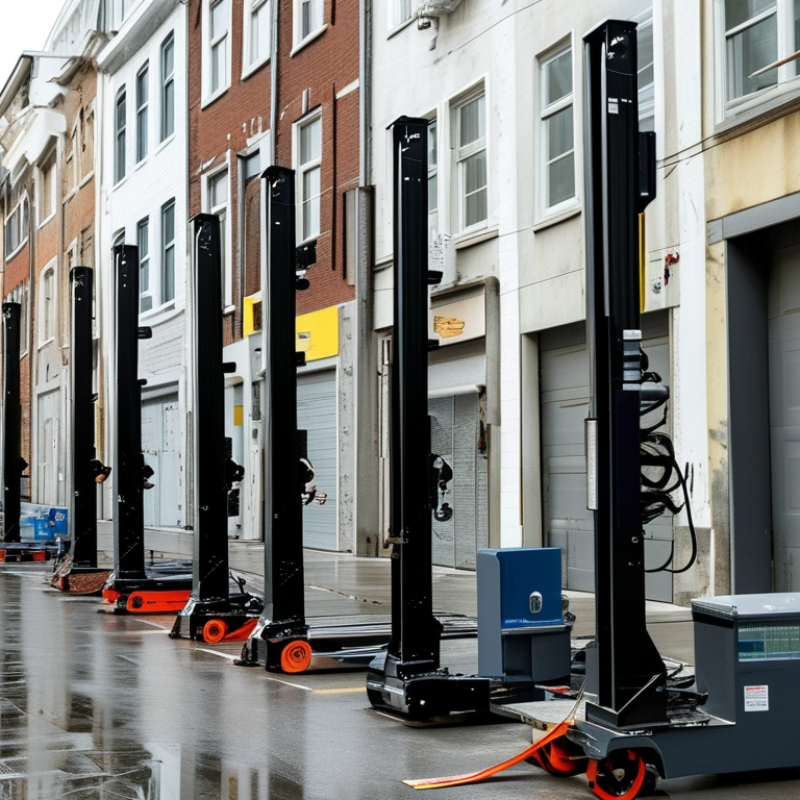
Top 10 Car Elevator Platforms for Global Buyers
Comparing car elevator platforms requires more than reading rated capacity. The IEA’s Global EV Outlook 2025 reports over 17 million electric car sales in 2024. Many electric SUVs now weigh close to, or above, 2.5 tonnes. A 3-tonne platform may therefore offer limited practical reserve. I recommend checking the heaviest vehicle, passengers, accessories, and loading impact before selecting capacity. A useful working margin is 15% to 20%, subject to local engineering approval.
Dimensions can create expensive surprises. Measure the vehicle’s mirrors, roof height, wheelbase, and turning path, not only its body length. For many large SUVs, a platform around 5.5 metres long and 2.4 metres wide may still feel tight.
Door clearance matters. So does drainage space. Grand View Research’s parking systems analysis identifies automation and space optimization as major market drivers, but compact design should not reduce safe access or maintenance room.
Technology comparisons should include hydraulic or traction drive, emergency lowering, overload sensing, anti-drop protection, and manual recovery procedures. EN 1493 and ASME A17.1 provide useful reference points, although the final requirement depends on jurisdiction.
Installation also needs structural surveys, power quality checks, pit accuracy, ventilation, and fire-safety coordination. My own early mistake was comparing equipment prices before measuring the site. The cheapest platform became costly after civil modifications.
Installation records, inspection certificates, spare-part availability, and technician response times deserve equal weight. Look beyond the brochure.