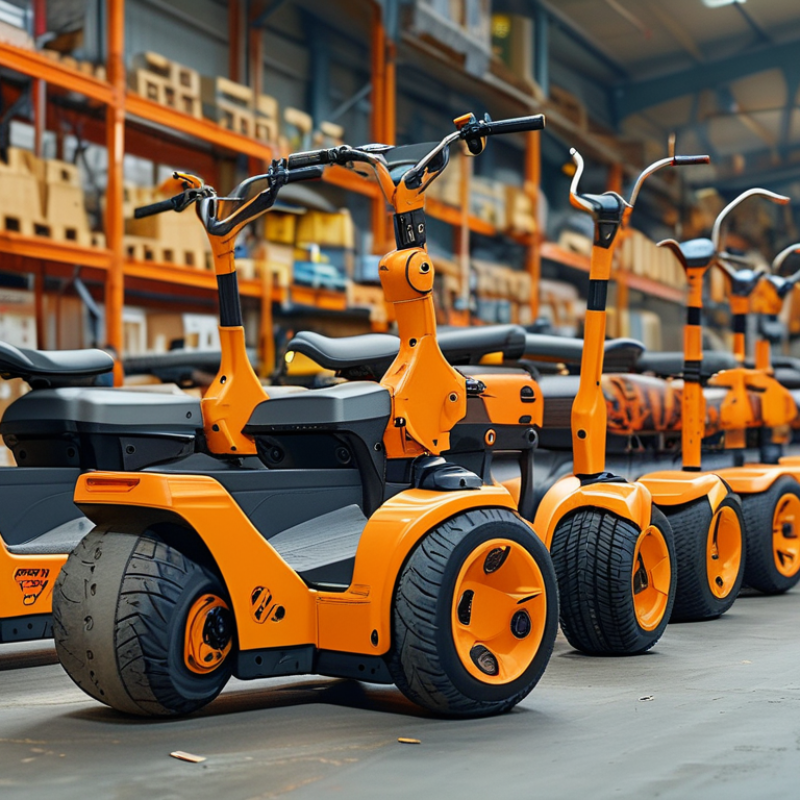
| 1. Assess Load Capacity | Determine the weight limit needed for your tasks. | Flat surfaces and moderate inclines. | Sturdy wheels for stability. |
| 2. Consider Battery Life | Choose a cart with sufficient battery life for your duration of use. | Ideal for long outdoor tasks. | Maintenance-free wheels. |
| 3. Check Terrain Type | Different carts are suited for different terrains. | Rugged terrains may require enhanced features. | All-terrain tires are beneficial. |
| 4. Evaluate Storage Options | Look for ample storage space for tools and supplies. | Suitable for organized work environments. | Compartmentalized storage recommended. |
| 5. Assess Portability | Select a cart that is easy to maneuver and transport. | Navigating tight spaces may be required. | Swivel wheels enhance maneuverability. |
| 6. Look for Safety Features | Prioritize features like brakes and lights for night work. | Necessary for busy or uneven terrains. | Brake systems must be reliable. |
| 7. Read Customer Reviews | Insights from users can guide your decision. | User experiences on diverse terrains can vary. | Feedback on wheel durability helps. |
| 8. Warranty and Support | Select models with solid warranties and customer support. | Essential for long-term use. | Check for support on wheel replacements. |
| 9. Test Drive | Whenever possible, test the cart's handling and comfort. | Try on similar terrains to actual usage. | Observe wheel response during the test. |
| 10. Maintenance Requirements | Understand the upkeep needed for longevity. | Critical for rugged or heavily used carts. | Assess ease-of-access for wheel checks. |