Top Small Sewer Jetter Buyers Guide for Efficient Drains?
When dealing with clogged drains, a Small Sewer Jetter can be a game-changer. This specialized equipment uses high-pressure water jets to clear blockages effectively. According to a report by the National Association of Sewer Contractors, over 80% of plumbing issues stem from buildup in sewer lines. This highlights the importance of having reliable tools like a Small Sewer Jetter.
Expert John Smith, a renowned plumber with over 20 years of experience, emphasizes the effectiveness of this technology. He states, “A Small Sewer Jetter not only clears clogs but prevents future issues.” This sentiment reflects the growing recognition of jetting systems in maintaining efficient drainage systems. The right Small Sewer Jetter can ensure that drains flow smoothly and reduce future maintenance costs.
Investing in a Small Sewer Jetter can seem daunting for many buyers. There are numerous models on the market, each with unique features. It's crucial to select one that meets specific needs. Not all jetters perform equally, and some may fall short. Reflecting on these choices can lead to improvements in drain maintenance strategies for both professionals and homeowners.
Understanding Sewer Jetters: What They Are and How They Work
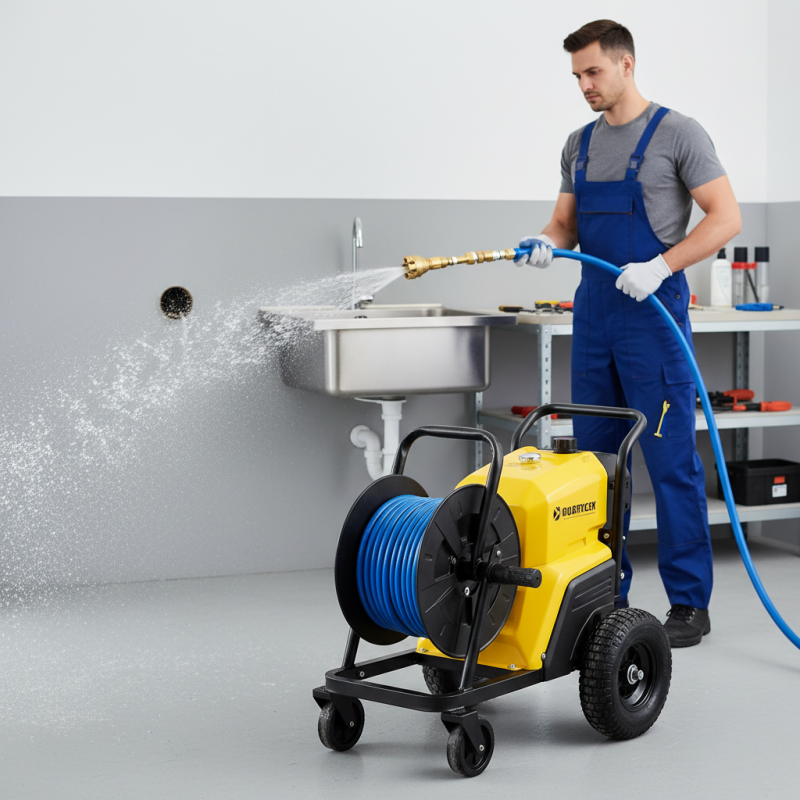
Sewer jetters are powerful tools used to clear clogged drains and sewer lines. They utilize high-pressure water jets to remove blockages caused by grease, tree roots, and debris. According to industry data, up to 90% of sewer blockages can be effectively cleared using this method. This efficiency makes sewer jetters an essential tool for plumbing professionals.
The mechanism of a sewer jetter involves a flexible hose that feeds a nozzle into the drain. Once in position, water is expelled at high pressures, typically ranging from 1,500 to 4,000 PSI. This pressure not only clears the pipe but also cleans the inner walls, preventing future buildup. Reports indicate that regular maintenance using sewer jetters can extend the lifespan of sewer systems significantly.
However, using a sewer jetter requires skill and understanding. Improper use can damage pipes or create leaks. Many professionals suggest that training is vital, as misuse can lead to costly repairs. Not every situation is suitable for high-pressure water; sometimes, using a traditional auger might be a better option. Understanding when to use each tool effectively can prevent unnecessary damage and ensure efficient drainage solutions.
Key Features to Look for in a Small Sewer Jetter
When considering a small sewer jetter, several key features can significantly enhance its efficiency. It's essential to focus on the pressure output, as higher PSI ratings usually lead to better cleaning capabilities. According to the National Association of Sewer Service Companies, a jetter with at least 2,500 PSI is ideal for unclogging residential drains effectively.
Another critical aspect is hose length. A longer hose extends your reach and reduces the need for repositioning. Many professionals recommend a minimum of 100 feet. Additionally, nozzle types can vary, with cone and rotating nozzles providing optimal debris removal. The right combination of nozzles can make a substantial difference in performance.
Finally, portability is vital. A lightweight design allows for ease of use in various environments. However, some users find that compact models often compromise on power. Balancing size and performance can be challenging. Many buyers overlook this aspect, ultimately affecting their effectiveness. Always evaluate your specific needs before making a purchase.
Top Brands and Models of Small Sewer Jetters Reviewed
When looking for small sewer jetters, understanding the top brands and models is essential. Many professionals emphasize the importance of reliable equipment in maintaining efficient drainage systems. A strong sewer jetter can clear blockages and prevent future problems. It's reported that clogged drains account for over 20% of plumbing issues in residential areas. Investing in a quality jetter can reduce the frequency of these costly problems.
Reviewing the top models reveals a range of features. For instance, many jetters offer varying pressure levels, making them suitable for different tasks. A unit with 3000 PSI can handle tough clogs, while a 1500 PSI model may be adequate for typical residential needs. Durability is another critical factor. Jetter materials can influence both long-term performance and maintenance costs. Statistics suggest that the right jetter can extend the lifespan of plumbing systems by up to 30%.
While selecting a jetter, consider factors like hose length and water capacity. Some models may have limitations, requiring frequent refills. Additionally, user feedback often indicates that ease of transport is vital. Heavy units can be cumbersome, leading to inefficiencies in the field. Reflecting on these insights can guide buyers towards making informed decisions. This reflection on the trade-offs ensures an optimal purchase that balances performance and practicality.
Cost Considerations: Budgeting for a Small Sewer Jetter
When budgeting for a small sewer jetter, several factors come into play. The investment can range from $1,500 to $5,000 depending on the model and features. According to recent industry statistics, 72% of professionals see a solid return on investment due to reduced labor costs and improved effectiveness in clearing clogged drains. For many, this makes a small sewer jetter a worthwhile expense.
Additionally, consider maintenance costs. Regular upkeep can prevent minor repairs, which average about $200 annually. Investing in high-quality components often leads to lower long-term costs. Yet, the reality is not every jetter meets performance expectations. Choosing a low-cost option may initially seem wise, but it can result in frequent breakdowns and higher replacement costs.
In the end, thorough comparison and research are essential. Reliable suppliers often provide comprehensive support and warranty plans. Engaging with industry experts can help mitigate risks associated with poor product choices. Being aware of potential pitfalls is vital in making the most informed decision.
Top Small Sewer Jetter Buyers Guide for Efficient Drains - Cost Considerations
| Feature | Entry-Level Model | Mid-Range Model | High-End Model |
| Price Range | $500 - $800 | $800 - $1,500 | $1,500 - $3,000 |
| Pressure (PSI) | 1,500 | 2,500 | 4,000 |
| Hose Length | 50 ft | 100 ft | 150 ft |
| Water Flow Rate (GPM) | 3 | 5 | 8 |
| Weight | 50 lbs | 75 lbs | 100 lbs |
| Ideal For | Residential Use | Light Commercial | Heavy Duty Commercial |
Maintenance Tips for Prolonging the Life of Your Sewer Jetter
Maintaining your sewer jetter is crucial for its longevity and efficiency. Regularly inspect the hoses for tears or wear. A small crack can lead to significant pressure loss. Clean the nozzle thoroughly after each use. A blocked nozzle can reduce water flow and impact performance. Taking these simple steps enhances the jetter's functionality.
Storing your jetter properly is equally important. Keep it in a dry, sheltered space. Exposure to harsh elements can damage sensitive components. Winterizing the machine protects it from freezing temperatures. Take the time to drain water completely before storage. This prevents freeze damage.
Over time, even well-maintained equipment may show signs of wear. Replace worn out or frayed components timely. Listen for unusual sounds during operation; these may indicate deeper issues. Each small step in maintenance matters. It contributes to a longer, efficient life for your sewer jetter. Regular attention to these details pays off in performance and reliability.