Rising Demand for Cleaner and More Premium Soft-Touch Materials
As premium consumer electronics, wearable devices, and ergonomic overmolded products continue evolving toward cleaner aesthetics and more sophisticated tactile experiences, manufacturers are increasingly searching for soft-touch materials that may offer both long-term comfort and stable surface quality.
However, many conventional soft elastomer materials still face several long-standing industry pain points during actual product applications.
Industry Pain Points Continue Challenging Soft-Touch Product Development
In wearable electronics, handheld devices, and soft-touch overmolding products, manufacturers often struggle to balance tactile comfort, long-term durability, surface cleanliness, and manufacturing efficiency within a single material solution.
Traditional soft TPE or low-hardness TPU materials may initially provide a pleasant touch experience, but after extended use, several common issues may gradually emerge:
Sticky or oily surface feel after long-term skin contact
Plasticizer or softening oil migration
Increased dust adsorption and surface contamination
Reduced tactile consistency over time
Surface deterioration caused by sweat, UV exposure, or repeated friction
Difficulty balancing softness with scratch and abrasion resistance
Limited compatibility with premium overmolding processes
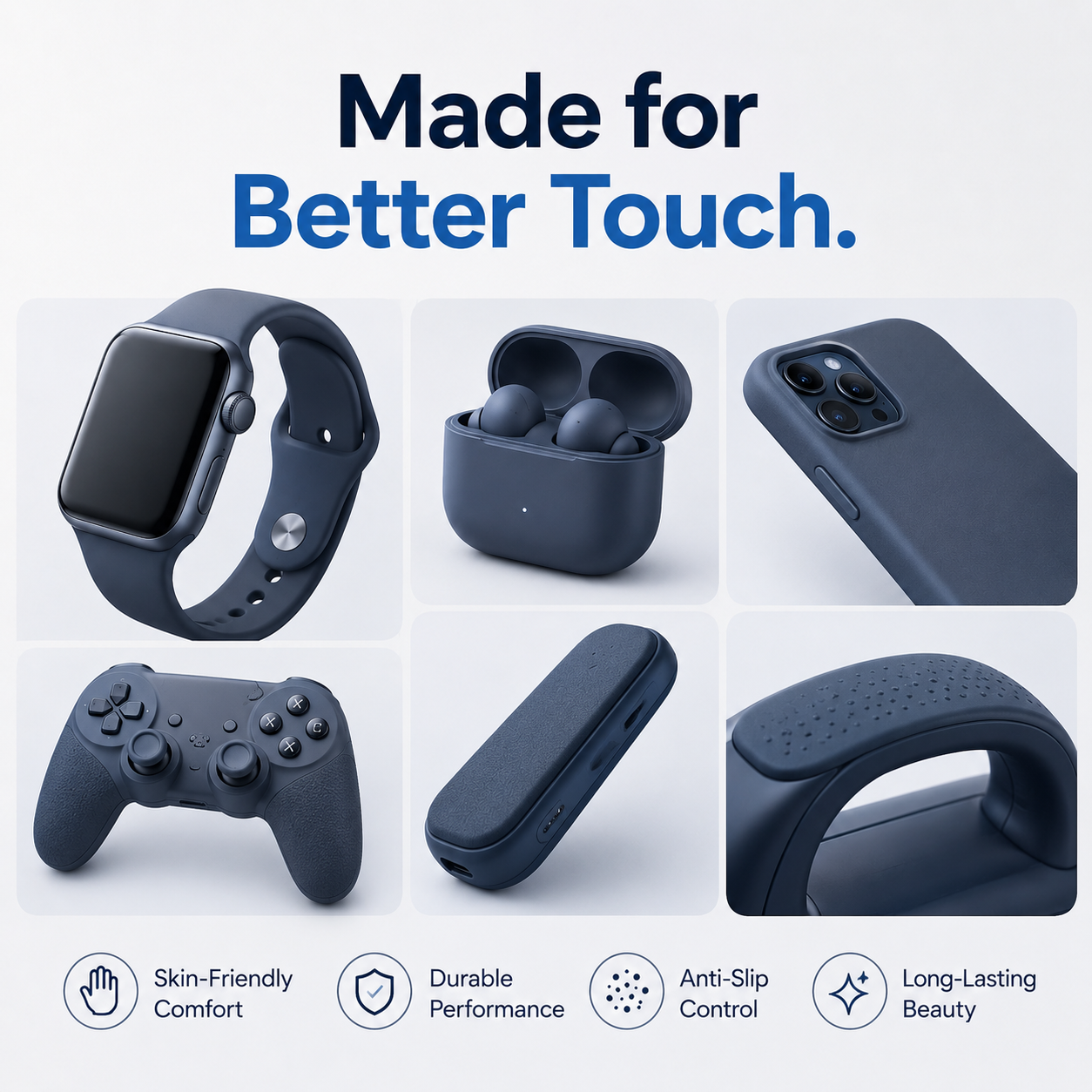
These challenges become increasingly critical in products that require long-term skin contact or frequent daily handling, such as smartwatch straps, AR/VR wearable accessories, gaming grips, sports electronics, and ergonomic consumer devices.
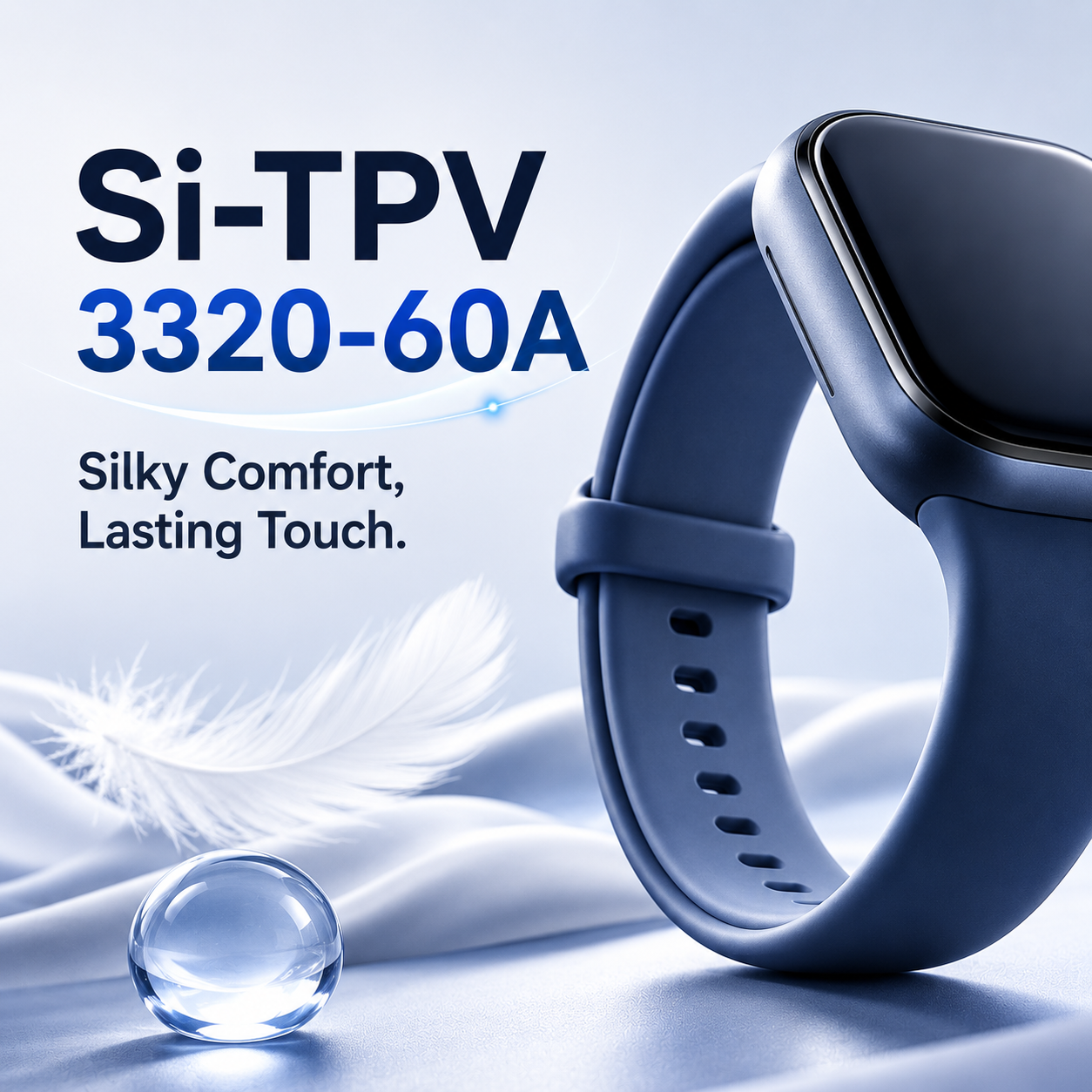
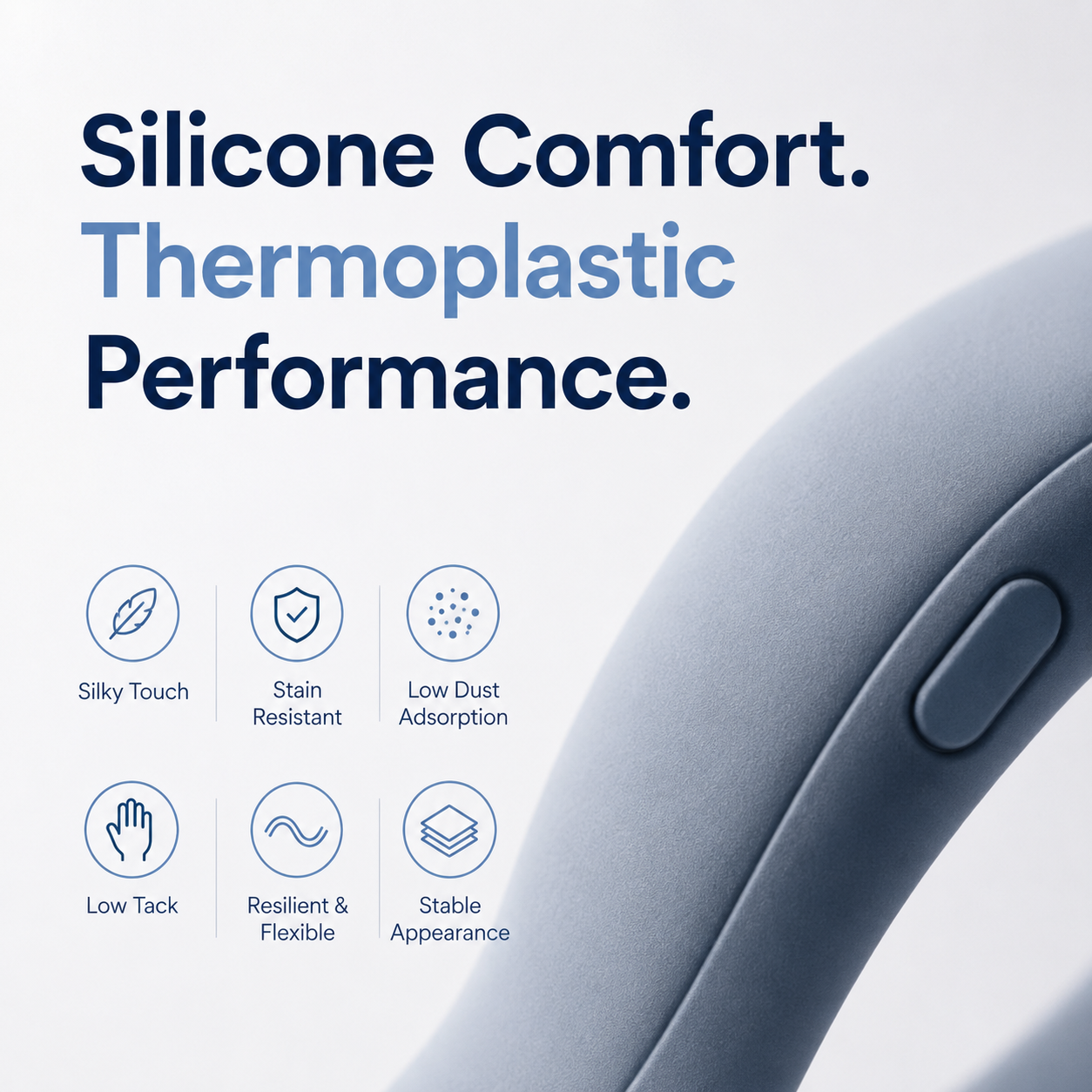
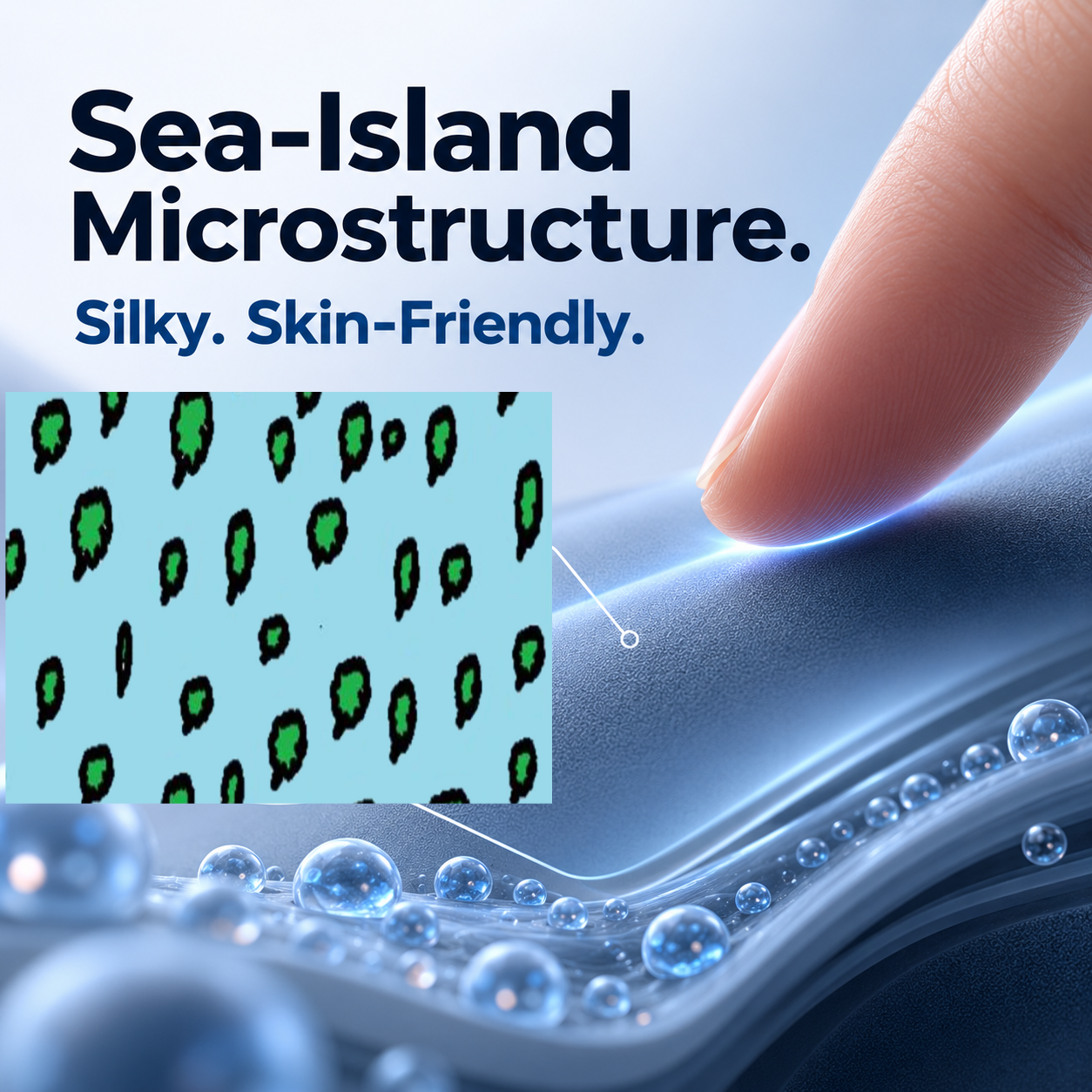
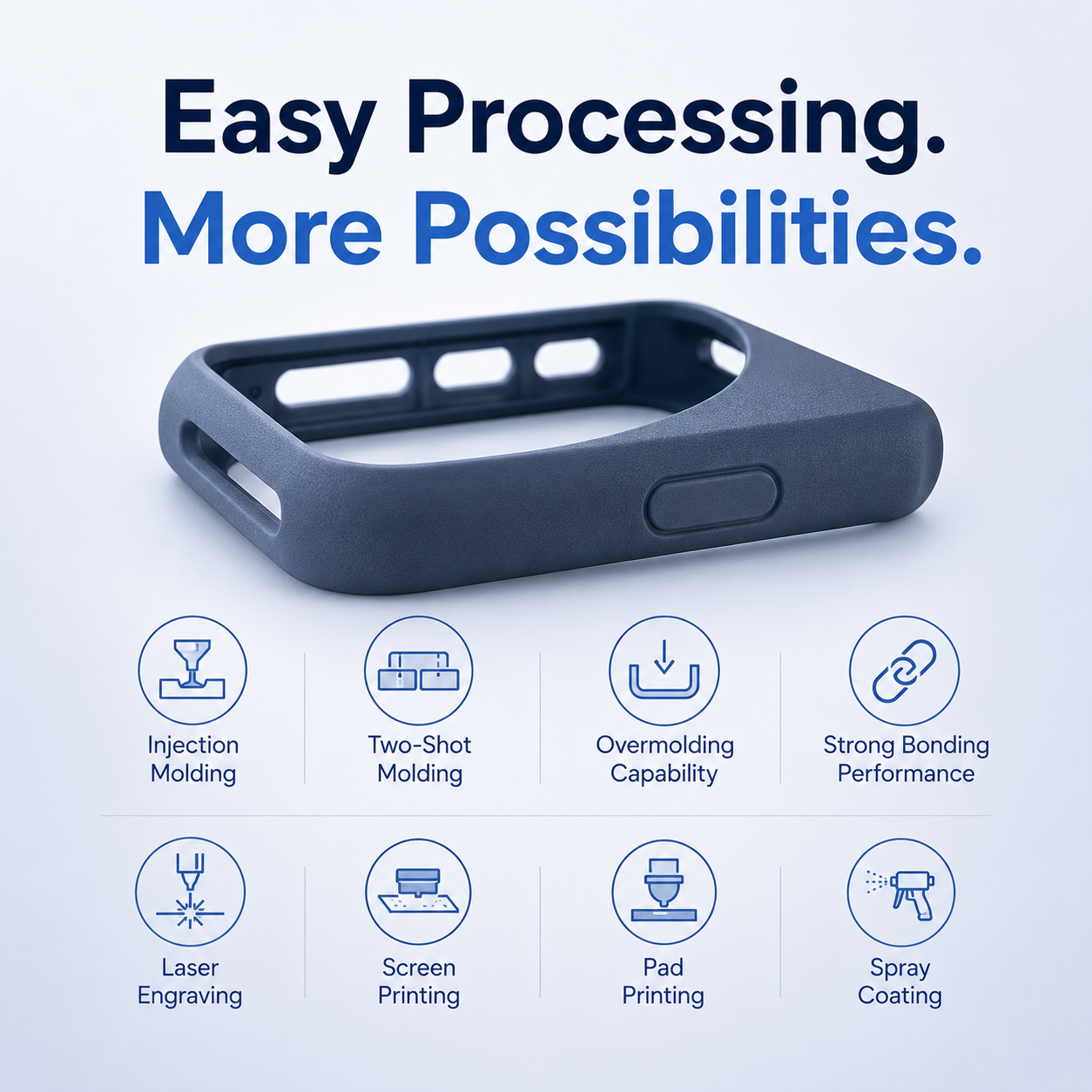
Against this backdrop, Si-TPV 3320-60A, a silicone-based thermoplastic elastomer developed by SILIKE, is drawing growing attention for its potential to combine silicone-like silky touch, thermoplastic processability, and durable mechanical performance within a single material platform.