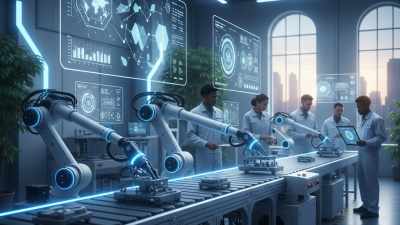
Why Is Precision Technology Essential for Modern Industries?
In today's fast-paced industrial landscape, precision technology stands out as a cornerstone for success. According to Dr. Emily Tran, an expert in automation and precision manufacturing, "Precision technology isn't just beneficial; it is vital for innovation." This emphasizes the shifting paradigm in how industries operate.
Precision technology enhances quality, efficiency, and accuracy. Industries that embrace these advancements see significant improvements in production rates. Imagine a manufacturing plant where machinery operates with 99.9% accuracy. This level of precision can minimize waste while maximizing output. It's a game-changer. However, some companies hesitate. They may fear the high initial costs or complexity. That’s a valid concern, yet the long-term benefits often outweigh these challenges.
The reality is, adapting to precision technology can be a daunting task. Many organizations struggle to integrate new systems. They face resistance from employees who are accustomed to traditional methods. The path to modernization may be rocky. But those who take the plunge often emerge as leaders in their field. In this ever-evolving market, embracing precision technology is not just an option; it is essential for survival.
The Definition and Overview of Precision Technology
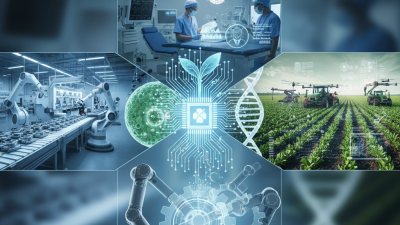
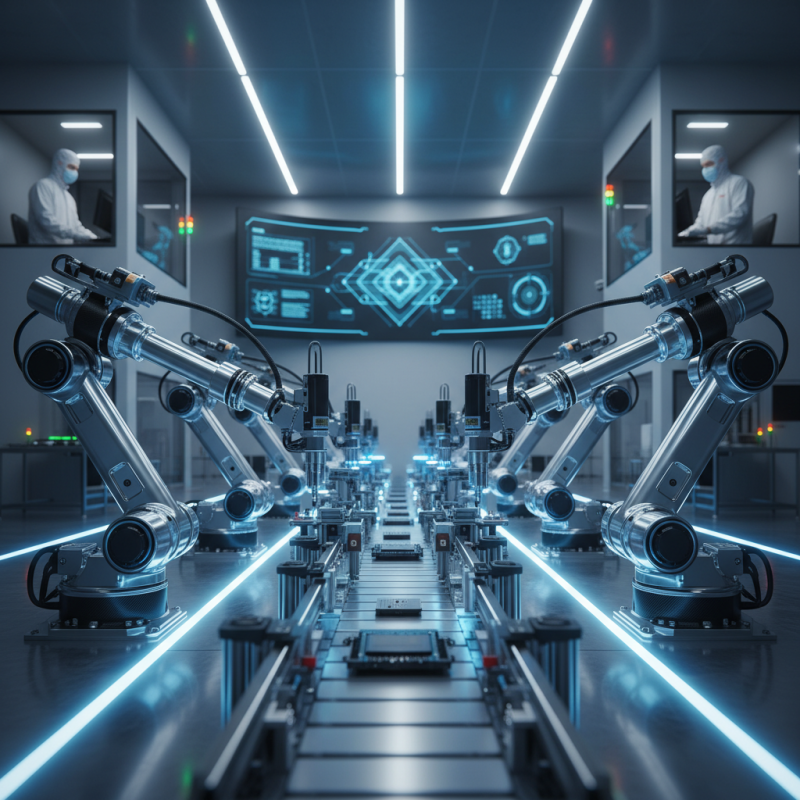
Precision technology refers to advanced methods and tools that enhance accuracy in various processes. It encompasses techniques in manufacturing, agriculture, and healthcare. These technologies help in producing goods and services with minimal errors and enhanced quality. Tools like CNC machines and robotics embody precision technology's essence, making intricate tasks achievable.
Industries rely on precision technology for efficiency. In manufacturing, precise measurements lead to a better fit for parts. Take the automotive sector, for instance. Engineers use precision technology to ensure components work seamlessly. Similarly, in agriculture, precision farming optimizes resource use, reducing waste. However, implementing such technologies is not without challenges. Not all industries can easily adapt. Training is essential, and costs can be high, causing hesitance.
Precision technology also invites reflection on its impact. While it offers vast potential, we must ponder its consequences. High precision can neglect human elements in production. If every task is automated, where does that leave skilled labor? Continuous improvement is needed. Industries must find a balance between human skills and technological advances. It's vital to keep questioning how precision affects our workplace and society.
Key Benefits of Precision Technology in Modern Industries
Precision technology plays a critical role in various modern industries. It ensures that processes are efficient and outcomes are accurate. According to a recent report by the International Society for Precision Engineering, companies using precision technology have seen productivity increases of up to 30%. This can translate to significant cost savings and improved product quality.
Manufacturing is one area where precision technology shines. Automated systems and advanced robotics allow for micro-level accuracy. A study found that precision in machining can reduce material waste by 25%. This not only boosts profit margins but also supports sustainability goals. Streamlined processes lead to fewer errors and faster turnaround times.
**Tip:** Regularly assess your precision technology systems. Small adjustments can lead to major improvements.
In the healthcare sector, precision technology aids in diagnostics and treatment. Enhanced imaging and monitoring techniques help in early disease detection. Reports indicate that precision medicine can improve patient outcomes by up to 50%. However, some facilities struggle with integrating these technologies effectively. It's essential to provide adequate training for staff.
**Tip:** Invest in ongoing training and development for your team. A well-informed team maximizes the benefits of precision technology.
Applications of Precision Technology Across Various Sectors
Precision technology has become vital across various sectors. In manufacturing, it ensures the creation of parts with minimal error. This precision leads to higher efficiency and less waste. Consider the assembly of complex machinery. Each component must fit perfectly. A small error can lead to significant failures. Thus, quality control is paramount. Machines are designed with precision metrics, ensuring every piece meets strict specifications.
In the medical field, precision technology transforms patient care. Devices such as MRI machines and surgical robots operate with utmost accuracy. They provide clearer images and minimal invasiveness during procedures. This accuracy can be the difference between life and death. However, reliance on technology can raise concerns. Not all systems work perfectly, and human oversight remains essential.
The agricultural sector benefits significantly as well. Precision farming uses data to improve crop yields. GPS technology helps in accurate planting and resource allocation. Farmers can monitor soil health and water usage effectively. Yet, technology can lead to unequal access. Some farmers may struggle with costs. This creates a divide that needs addressing.
Challenges and Limitations of Implementing Precision Technology
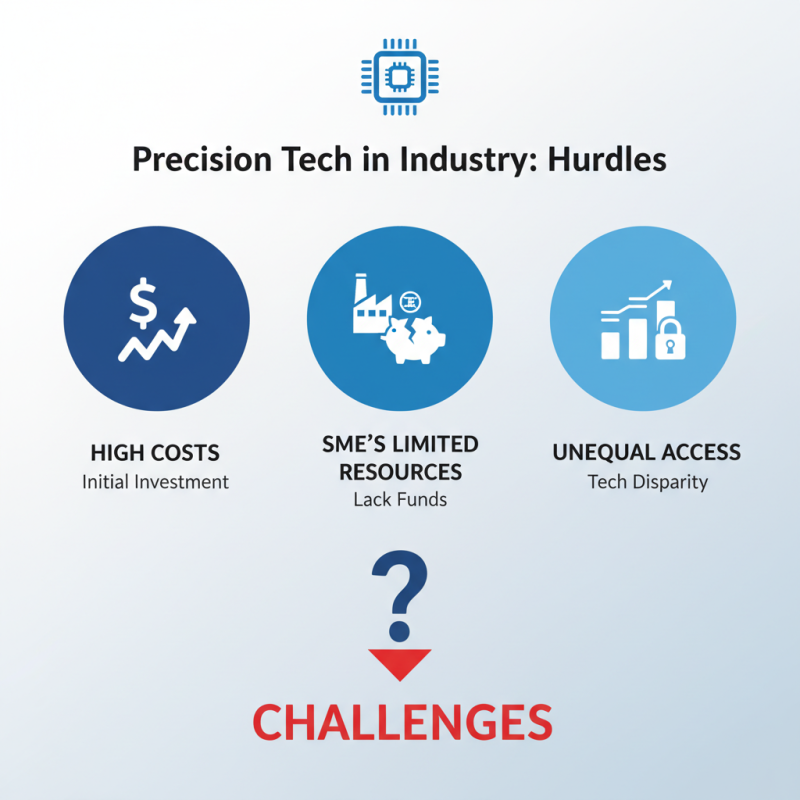
Implementing precision technology in modern industries comes with significant challenges. First, high costs can deter many companies from adopting advanced systems. Small and medium enterprises often lack the resources required for initial investments. This can lead to unequal access to technology across various sectors.
Another challenge is the need for skilled personnel. Precision technology requires specialized knowledge and training. Many industries face a shortage of qualified workers who can operate and maintain these systems. Without proper training programs, companies may struggle with inefficiencies. Additionally, the rapid pace of technological evolution keeps workers in a constant state of learning, which can be stressful and overwhelming.
Lastly, integration with existing systems poses a significant hurdle. Many businesses rely on outdated technology, which is not always compatible with new precision tools. This can lead to disruptions during the transition period. Companies must find a balance between upgrading their systems and maintaining productivity. Failing to do so can result in losses and frustration among staff. These challenges highlight the need for careful planning and strategy in adopting precision technology.
Future Trends in Precision Technology and Industry Impacts
Precision technology is shaping the future of various industries. As companies pursue efficiency, this technology is crucial. It enhances manufacturing processes, reduces waste, and improves product quality. However, not all implementations are flawless. Some organizations struggle to adopt these advanced tools due to outdated infrastructure. This creates a gap between early adopters and those lagging behind.
Emerging trends in precision technology reveal exciting possibilities. Automation, artificial intelligence, and real-time data analytics will play pivotal roles. These innovations can streamline supply chains and optimize production lines. Yet, there are challenges. Businesses must ensure their workforce is trained to work alongside these technologies. Resistance to change can hinder progress.
Looking ahead, the impact of precision technology will be profound. Industries will become more responsive to market demands. However, companies must address cybersecurity risks as they embrace digital solutions. The transition won’t be without hurdles, but the potential rewards are significant. Embracing this technology could redefine efficiency and sustainability in manufacturing.
Why Is Precision Technology Essential for Modern Industries? - Future Trends in Precision Technology and Industry Impacts
| Dimension |
Current Usage |
Future Trends |
Industry Impact |
| Automation |
70% of manufacturing processes |
Increased AI integration |
Higher efficiency, reduced labor costs |
| Data Analytics |
60% of industries using analytics |
Real-time analytics and predictive modeling |
Better decision-making, enhanced productivity |
| Additive Manufacturing |
30% of production in specialized sectors |
Broader materials and methods |
Customization potential, material waste reduction |
| Supply Chain Optimization |
50% adoption rate |
Blockchain and IoT integration |
Transparency, reduced delays, cost savings |
| Quality Control |
80% of QA processes automated |
Enhanced image recognition and AI testing |
Product consistency, lower defect rates |