What is a Neodymium Magnet and How is it Used?
Neodymium Magnets are among the strongest permanent magnets available today. According to Dr. Emily Lawson, a renowned expert in magnet technology, "Neodymium magnets revolutionized various industries with their unmatched strength and versatility." These powerful magnets are made from an alloy of neodymium, iron, and boron, offering remarkable magnetic properties.
The applications of neodymium magnets span across numerous fields. They are used in everything from consumer electronics, like headphones and smartphones, to industrial machinery. Despite their strength, these magnets can be brittle and need careful handling. Their strength can lead to potential hazards if mishandled, highlighting the importance of safety protocols.
Understanding the use and properties of neodymium magnets allows for greater innovation. As industries evolve, these magnets will continue to play a critical role. Reflecting on their challenges and advantages is essential for safe and effective usage.
What is a Neodymium Magnet?
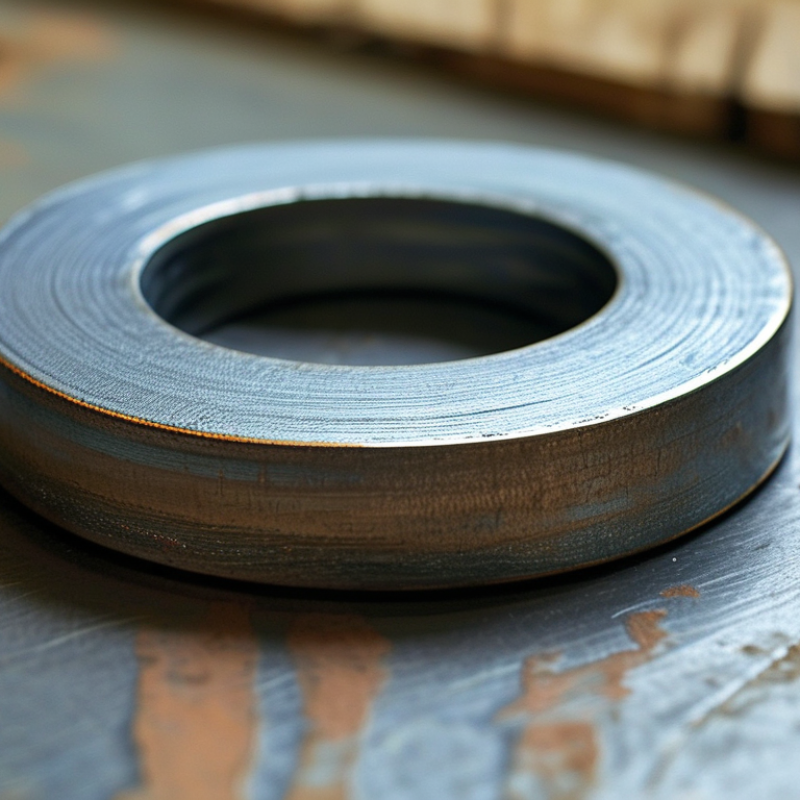
Neodymium magnets are powerful permanent magnets made from an alloy of neodymium, iron, and boron. Known as rare earth magnets, they possess exceptional magnetic strength. They are much more powerful than traditional magnets due to their unique composition. This strength makes them suitable for various applications, from household items to industrial machinery.
These magnets are commonly found in electric motors and generators. Their small size and lightweight make them ideal for modern electronics, such as smartphones and speakers. In the medical field, neodymium magnets are used in MRI machines for imaging. However, they can also pose safety concerns. Their strong magnetic fields can attract metal objects rapidly, leading to potential injuries.
While neodymium magnets excel in many uses, their production raises environmental questions. Mining rare earth elements can be damaging. There’s still much to reflect on regarding their sustainable use and recycling. Balancing magnetic power with environmental responsibility is crucial as we continue to integrate these magnets into our technology.
The Composition and Properties of Neodymium Magnets
Neodymium magnets are among the most powerful permanent magnets available today. They are composed chiefly of neodymium, iron, and boron (NdFeB). This combination creates a magnet with a high magnetic strength relative to its size. Neodymium magnets are measured using a rating system that indicates their maximum energy product, typically measured in Mega Gauss Oersteds (MGOe). High-grade neodymium magnets can achieve ratings exceeding 50 MGOe, making them ideal for various applications.
These magnets exhibit remarkable properties. They can maintain high magnetic strength even at elevated temperatures. However, they are also more susceptible to corrosion compared to other magnets. A protective coating is often applied to increase durability. In real-world applications, neodymium magnets are used in loudspeakers, motors, and magnetic resonance imaging (MRI) machines. The demand for these magnets continues to grow, thanks to their efficiency in compact designs.
Tips: When handling neodymium magnets, be cautious. Their strong attraction can lead to pinched fingers or injuries. Always store them properly, keeping them away from small metal objects, which can become dangerous projectiles if attracted. Each magnet's strength is significant; even small sizes can hold considerable weight.
Common Applications of Neodymium Magnets in Everyday Life
Neodymium magnets, known for their strong magnetic properties, play a vital role in daily life. These versatile magnets find diverse applications, from electronics to household items. In technology, they help power electric motors and generators. In smartphones, they make speakers more efficient and compact.
Tips: When using neodymium magnets, ensure they are securely stored. Their strength can cause them to snap together, potentially causing injury. Keep them away from electronic devices, as they can interfere with functionality.
In households, neodymium magnets can be used creatively. They hold up notes on refrigerators or secure tools in garages. They are also found in magnetic knife strips for safe kitchen storage. While they are useful, it’s essential to remember that they can chip or break if dropped. This is a limitation to consider in their daily use.
In crafting or DIY projects, strong neodymium magnets can be a game changer. They allow for innovative designs and practical solutions. However, always assess the strength needed for your project. Overly strong magnets can complicate assembly.
How to Use Neodymium Magnets Safely and Effectively
Neodymium magnets are among the strongest permanent magnets available. Their high magnetic strength can create risks if not handled properly. Safety is paramount when working with these powerful tools. Professionals often advise using personal protective equipment, like gloves and goggles, to prevent injury from snapping magnets. The Materials Research Society reports that serious injuries can occur from pinching or crushing due to the strong forces involved. Awareness of these dangers is essential.
It is crucial to use Neodymium magnets effectively to maximize their benefits. When working on projects, ensure that the work area is organized. This prevents accidents, especially in a cluttered environment. Use spacers to avoid magnets colliding with each other. This simple step can prevent breakage and extend the magnets' lifespan. The American Physical Society emphasizes the importance of proper handling techniques. Proper storage in a dry area, away from sensitive electronics, is also important. Keep them in a protective case when not in use.
Although Neodymium magnets are incredibly beneficial, they can be challenging to work with. Many users overlook the importance of gradual application of force when separating magnets. Rushing can lead to injury or damage. Regular training sessions on safe handling practices can be valuable. A more informed approach helps mitigate risks. Overall, while Neodymium magnets offer impressive capabilities, respecting their power is vital for safe and effective use.
What is a Neodymium Magnet and How is it Used?
| Property | Description | Common Uses |
| Material | Neodymium Iron Boron (NdFeB) | Used in various applications where strong magnets are needed |
| Magnetic Strength | Can produce a magnetic field strength of up to 1.5 Tesla | Perfect for holding and lifting applications |
| Temperature Tolerance | Usable up to 80°C (176°F) depending on grade | Suitable for applications involving heat |
| Coating | Typically coated with nickel-copper-nickel | Protects against corrosion and enhances lifespan |
| Safety Measures | Should be handled with care due to strength | Use in conjunction with proper safety equipment |
| Applications | Includes motors, generators, MRI machines | Wide usage in industrial and consumer products |
The Future of Neodymium Magnets in Technology and Industry
Neodymium magnets are powerful and versatile. Their strength comes from the alloy of neodymium, iron, and boron. This unique combination allows for lightweight designs in various applications. Today, these magnets are integral to technology and industry. Electric vehicles, wind turbines, and medical devices rely on them.
The future of neodymium magnets looks promising. As industries evolve, demand will grow. Researchers are exploring ways to improve efficiency and sustainability. However, challenges remain. Mining neodymium can impact the environment. Finding more eco-friendly alternatives is essential.
There is a need for innovation. Developing stronger and lighter magnets can enhance performance. Companies are working to create new methods of production. This can help reduce costs and environmental impact. Continued focus on responsible sourcing and recycling will be crucial in shaping a sustainable future.
Neodymium Magnet Applications in Various Industries
This chart illustrates the estimated application volume of neodymium magnets across various industries. As seen, the electronics industry has the highest demand, followed by automotive and healthcare sectors, showcasing the critical role of neodymium magnets in modern technology and industry.