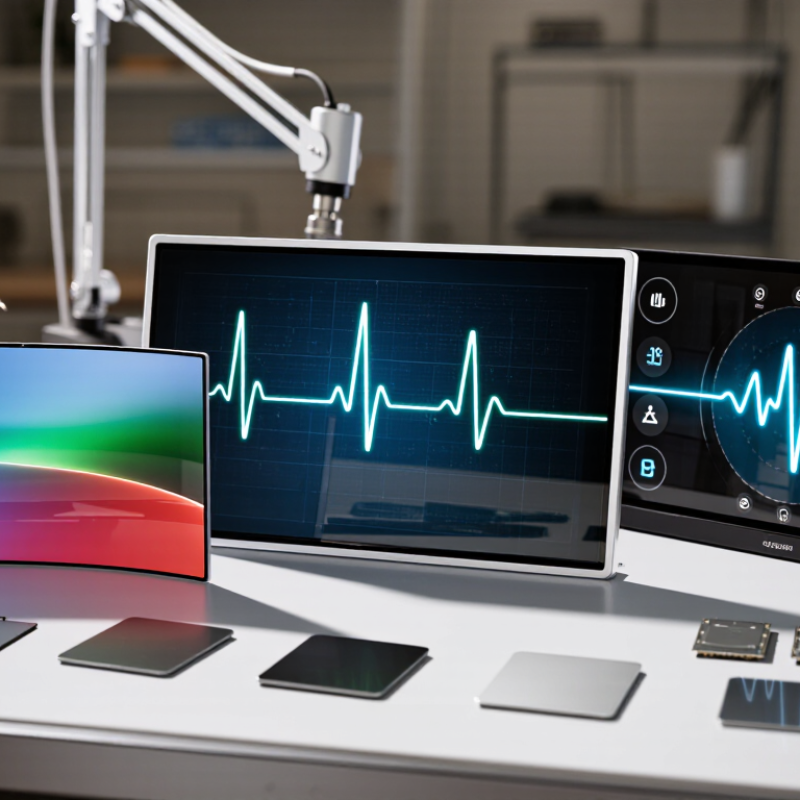
Choosing an OLED module starts with the supplier, not the display size. Request production samples, optical data, electrical limits, and reliability test results. Ask where panels are assembled and how quality is controlled. A polished sample proves little. Inspect several units, including units from different batches.
Cost needs a wider view. Compare the module price, tooling charges, engineering fees, minimum order quantity, packaging, and shipping. Then estimate replacement costs and assembly labor. A lower quote may hide expensive custom fixtures or a weak yield rate.
Keep at least one approved alternative. This can protect your project when capacity changes or a component becomes unavailable. A spreadsheet can still mislead.
Customization may involve brightness, touch integration, connectors, cover glass, firmware, or mechanical dimensions. Define acceptance limits for color, viewing angle, dead pixels, and burn-in behavior. Put every requirement into a signed specification. Do not rely on email promises alone.
Long-term support deserves equal attention. Check warranty terms, response times, spare-part policies, and change-notification procedures. Ask how many years the module will remain available. Also request a last-time-buy process.
The common mistake is choosing for launch day. Products often stay in the field much longer. Recheck thermal design and usage patterns before approval. Even careful teams miss something. Leave room for that.