2026 How to Choose the Best Rubber Seals for Your Needs?
Choosing the right Rubber Seals is essential for any project. These seals play a critical role in preventing leaks, ensuring durability, and protecting components. With various types available, it can be overwhelming to make the best choice. Understanding your specific needs is crucial.
When selecting rubber seals, consider their application. Different environments demand different materials. Temperature, pressure, and chemical exposure all impact performance. For instance, industrial applications may require robust seals, while automotive use may favor flexibility.
Evaluating the available options can reveal areas for improvement. Sometimes, it is challenging to find the right balance between cost and performance. Consulting with experts can provide insights. Their knowledge is invaluable in navigating the complexity of rubber seals. This process requires careful consideration, but the outcome is worth it. Balancing quality and affordability leads to better results in the long run.
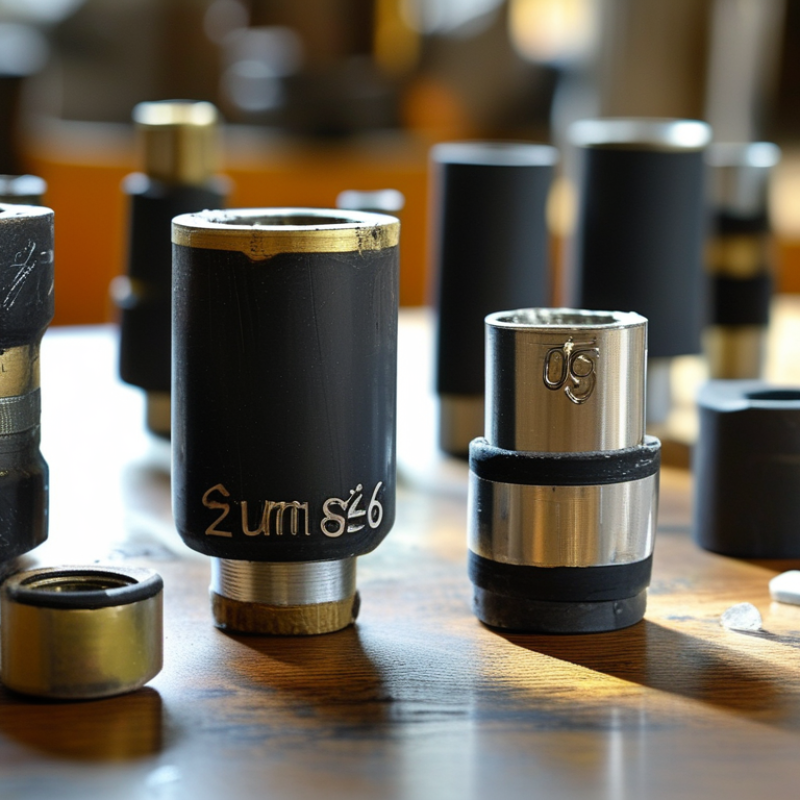
Understanding the Different Types of Rubber Seals Available
Rubber seals play a crucial role in various industries, ensuring effective sealing against contaminants and leaks. Different types of rubber seals are available, each designed for specific applications. Common types include O-rings, gasket seals, and lip seals. According to industry reports, O-rings account for roughly 45% of the rubber seal market, highlighting their versatility in hydraulic and pneumatic systems.
When selecting rubber seals, it's vital to consider the material's properties. For instance, nitrile rubber is resistant to oils and fuels, making it ideal for automotive applications. Conversely, silicone seals excel in extreme temperatures, suitable for both high-heat and cold environments. A recent study indicated that improper seal selection can lead to a 15% increase in maintenance costs. This emphasizes the need for thorough evaluation when choosing seals.
Many users tend to overlook the importance of seal size and application. An ill-fitted seal can compromise performance. This often results in leaks and operational inefficiencies. Additionally, environmental factors such as exposure to UV light or chemicals can degrade rubber seals. Understanding these variables can help in making informed decisions for seal selection.
2026 How to Choose the Best Rubber Seals for Your Needs? - Understanding the Different Types of Rubber Seals Available
| Type of Rubber Seal | Material | Temperature Range (°C) | Pressure Resistance (MPa) | Applications |
| O-Ring | Nitrile Rubber (NBR) | -30 to 120 | 20 | Hydraulic systems, automotive |
| Gasket | EPDM | -40 to 150 | 5 | Outdoor applications, roofing |
| Sealant | Silicone | -50 to 200 | 1 | Electronics, plumbing |
| Bushing | Polyurethane | -30 to 80 | 10 | Automotive, machinery |
| Diaphragm | Fluoroelastomer (FKM) | -20 to 200 | 15 | Chemical processing, aerospace |
Evaluating the Key Factors in Rubber Seal Selection
When selecting rubber seals, several critical factors must be assessed. Material composition plays a significant role. Different materials provide varying levels of chemical resistance, temperature tolerance, and mechanical properties. For example, EPDM rubber is often preferred for outdoor applications due to its superior weather resistance. A report by the Rubber Manufacturers Association indicates that nearly 35% of seal failures are due to improper material selection.
Additionally, seal design is crucial. A well-designed seal ensures proper sealing performance and longevity. Common designs include O-rings and lip seals, each tailored for specific applications. It's essential to consider the operating pressure and motion type. According to a study by ASTM International, seals can lose effectiveness under high pressure or rapid movement. A mismatch in design can lead to leaks and increased maintenance costs.
Lastly, understanding the environment where the seal will operate is vital. Factors like temperature, humidity, and exposure to chemicals impact seal performance. The American Society for Testing and Materials emphasizes the importance of matching seals to these environmental conditions. It's not uncommon for companies to overlook these specifics, leading to premature failures and costly downtimes. Always review requirements thoroughly. This approach aids in making informed selections.
Assessing Application-Specific Requirements for Rubber Seals
When choosing rubber seals, it's crucial to assess your application-specific requirements. Different environments and conditions demand specific materials and designs. For instance, seals exposed to extreme temperatures may require silicone, while those in chemical environments might benefit from fluorosilicone. According to a recent market report, the global rubber seal industry is expected to reach $9.5 billion by 2025, driven by various industrial applications.
Tips: Always verify the compatibility of the rubber material with your specific application. Conducting tests under real-world conditions can help confirm the seal's reliability.
Moreover, understanding the sealing mechanism is vital. Static and dynamic seals function differently. Static seals keep substances contained, while dynamic seals allow movement. A study by the Sealing Technology Association highlighted that improper sealing can lead to 30% of failure in machinery, emphasizing the importance of precise selection.
Tips: Consider the installation process. An incorrectly fitted seal can compromise its effectiveness. Analyze factors such as surface finish and alignment before installation.
Comparing Performance Characteristics of Various Rubber Materials
Choosing the right rubber seals involves understanding the performance characteristics of various materials. Common rubber types used for seals include Nitrile, EPDM, and Viton. Each has unique properties that affect their performance in different environments. For instance, Nitrile exhibits excellent oil resistance, making it ideal for applications involving petroleum products. EPDM is favored for its outstanding thermal stability and resistance to weathering and ozone.
A thorough analysis of the American Society for Testing and Materials (ASTM) provides detailed data on these materials' tensile strength and elongation properties. For instance, Nitrile seals typically have a tensile strength ranging from 18 MPa to 28 MPa. On the other hand, EPDM can withstand extreme temperatures, with a limit up to 150°C without losing performance. Yet, it’s important to note that while EPDM seals excel in harsh weather, they are not suitable for oil exposure.
Understanding the limitations of each type is crucial. For example, while Viton provides excellent chemical resistance, it may become brittle over time in certain environments. This brittleness can lead to seal failure. Analyzing the specific conditions your seals will encounter can prevent costly mistakes. Therefore, investigating these performance characteristics is vital for selecting the most appropriate rubber seals for any application.
Tips for Installation and Maintenance of Rubber Seals
Installing rubber seals requires careful attention. Begin by ensuring the surfaces are clean and dry. Dirt or moisture can compromise adhesion. Use a suitable cleaner for best results. Measure the length of the area accurately where the seal will fit. A poor fit can lead to leaks.
During installation, apply the seal gently. Stretch it slightly if necessary, but avoid over-stretching, which can lead to permanent deformation. Ensure that the seal sits evenly. Check for any twists or folds. These imperfections can cause gaps and diminish effectiveness.
Regular maintenance is crucial for longevity. Inspect the seals periodically for wear and tear. Replace any damaged seals promptly to maintain performance. Over time, seals may become hard or brittle. It’s important to address these issues early. Consider environmental factors like temperature changes and exposure to chemicals. These can affect seal durability. Taking these steps will ensure the seals perform optimally for your needs.