Request Quote

Request a quote from Nidec Drive Technology America Corporation.

This quote form is intended for customers and partners in North America seeking information about Nidec Drive Technology America Corporation’s Precision Gearing Technologies. For inquiries related to the Nidec motor group division or from outside this region, please visit the global Nidec Group website to find the appropriate regional or product-specific contact.

Subscribe to Nidec Newsletter

Subscribe to our email newsletter to stay current with our precision gearing solutions, featured products, company updates, and industry news.

How to Find the Best Manufacturing Solutions Worldwide?

Finding the best manufacturing solutions worldwide requires more than comparing prices or browsing supplier directories. It demands evidence, patience, and practical judgment. A capable partner should understand your product, production volume, quality targets, and delivery risks. Factory visits can reveal important details: clean production lines, labeled materials, calibrated equipment, and workers who explain processes clearly.

Shigeo Shingo, a respected industrial engineer and lean manufacturing expert, said, “The most dangerous kind of waste is the waste we do not recognize.” His warning remains highly relevant. Hidden waste may appear as repeated inspections, excess inventory, slow approvals, or unclear communication between engineering teams. The right manufacturing solutions should reduce these weaknesses without creating new ones.

Reliable research should include supplier audits, sample testing, production trials, and documented quality controls. Ask how a manufacturer handles defects, design changes, cybersecurity, worker safety, and supply interruptions. Review certifications carefully, but do not treat certificates as complete proof. Real performance matters more. A factory may show impressive equipment yet struggle with traceability or consistent delivery.

I would not choose a supplier from a polished presentation alone. A small pilot order can expose problems before they become expensive. That step may feel slow. It is often wise.

Global sourcing also requires attention to shipping routes, customs requirements, environmental expectations, and regional regulations. No manufacturing partner is perfect, and every evaluation contains uncertainty. The goal is not to eliminate all risk. It is to identify manageable risk, verify promises, and build a relationship that improves through measurable results.

How to Find the Best Manufacturing Solutions Worldwide?

Defining Your Manufacturing Needs and Success Criteria

How to Find the Best Manufacturing Solutions Worldwide?

Defining Your Manufacturing Needs and Success Criteria

A reliable manufacturing search begins with a measurable production brief. Record product tolerances, monthly volume, materials, packaging, delivery markets, and required certifications. Include the difficult details. A small variation in temperature or tooling can affect an entire shipment.

The International Federation of Robotics reported 541,302 industrial robots were installed worldwide in 2023. This figure shows automation is expanding, but automation alone does not guarantee success. Define targets for yield, cycle time, downtime, energy use, worker safety, and total landed cost. Use a baseline from your current process. Then set a realistic improvement range. A perfect scorecard is impossible. My early plans often valued speed more than maintainability, which created expensive surprises later.

Assessing Global Manufacturing Markets and Industry Strengths

How to Find the Best Manufacturing Solutions Worldwide?

Assessing Global Manufacturing Markets and Industry Strengths

Choosing a manufacturing location requires more than comparing hourly labor costs. A reliable assessment examines infrastructure, workforce skills, supplier depth, energy access, and trade stability. Each factor affects production differently.

Advanced machinery may reduce defects, but skilled technicians still matter during unexpected equipment failures. Regions with strong engineering education often support faster process improvements. Areas with established supplier networks can shorten delivery times and reduce inventory pressure. This matters greatly for complex products with many components.

Look beyond factory capacity.

Market research should include transport routes, port reliability, utility quality, and regulatory transparency. Local industrial clusters may offer specialized tooling, testing services, and maintenance expertise. However, a strong cluster can also create competition for skilled workers and raise operating costs.

Data should come from several sources, including public statistics, factory audits, and direct supplier interviews. A spreadsheet alone cannot reveal poor communication on a production floor. Visiting facilities can expose details such as crowded workstations, unclear safety procedures, or inconsistent quality records.

No market assessment is flawless. Forecasts change, and political or environmental risks may develop quickly. I have found that cautious assumptions often produce better decisions than attractive projections. A pilot order can test lead times, quality consistency, and problem-solving speed before larger commitments. Even then, performance may vary between facilities in the same region.

Comparing Suppliers, Capabilities, Costs, and Quality Standards

How to Find the Best Manufacturing Solutions Worldwide?

Finding a reliable manufacturing partner begins with evidence, not attractive promises. In supplier audits, I compare production capacity, equipment age, technical staff, and monthly output. A polished website proves little. Ask for recent samples, process sheets, and inspection records. A factory producing 10,000 units monthly may struggle with a complex batch of 500.

Cost comparisons need more detail than unit prices. Include tooling, packaging, freight, quality inspections, payment terms, and possible rework. A low quotation can become expensive after delays or inconsistent materials. I usually request identical specifications from several suppliers, then place every charge in one comparison table. Currency changes and shipping estimates still create uncertainty.

Quality standards should match the product’s actual risk. Check documented procedures, calibration records, material traceability, and corrective-action reports. Relevant certifications can support confidence, but certificates should be verified and connected to the correct facility. Visit the production line when possible. Look closely at storage labels, worker instructions, and final inspection areas. Small details often reveal daily discipline.

I also score communication speed and technical honesty. Can the supplier explain a failed test without hiding it? That answer matters. No scoring model is perfect. I have seen highly capable factories lose projects because they misunderstood packaging requirements. A short pilot order, with clear acceptance criteria, exposes these weaknesses before full production.

Verifying Compliance, Production Capacity, and Supply Chain Reliability

How to Find the Best Manufacturing Solutions Worldwide?

A capable supplier must prove compliance, not simply display certificates. Request current licenses, audit records, material declarations, and traceable lot numbers. The International Organization for Standardization’s 2023 Survey recorded about 1.26 million ISO 9001 certificates worldwide. Yet certification alone proves process control, not every production detail. Ask who performed the audit and when.

Production capacity needs physical evidence. Review machine lists, shift schedules, maintenance logs, workforce levels, and recent output records. Compare promised volumes with bottleneck equipment and actual cycle times. A useful factory visit should follow one order from raw material storage to final inspection. Watch the line during a normal shift. Numbers can deceive. Capacity claims often exclude maintenance, training, and rejected units.

Supply chain reliability depends on visibility and recovery speed. The World Bank’s 2023 Logistics Performance Index assessed 139 economies across customs, infrastructure, tracking, and timeliness. Use those dimensions when comparing locations, then examine supplier-specific performance. Request on-time delivery data, dual-source plans, safety-stock rules, and transport contingency procedures. Confirm whether critical materials have qualified alternatives. Test a small pilot order before signing larger commitments. Keep records of corrective actions, not just favorable presentations. Audits can miss things. Weather, labor shortages, and inaccurate forecasts still expose weak assumptions. Reviewing these risks quarterly creates stronger evidence than accepting one impressive factory tour.

How to Find the Best Manufacturing Solutions Worldwide? - Verifying Compliance, Production Capacity, and Supply Chain Reliability

A practical supplier-evaluation framework based on verifiable documents, measurable performance indicators, and documented risk controls.

Evaluation Area Key Metric or Requirement Verification Evidence Recommended Acceptance Criteria Warning Signs
Quality Management Quality management system certification Current certificate, certification scope, certificate number, and independent verification through the issuing certification body Certification is current, covers the relevant production site, and includes the required manufacturing activities Expired certificate, unclear scope, mismatched facility address, or certificate covering only an office
Environmental Compliance Environmental controls and regulatory compliance Environmental management certificate, permits, waste-disposal records, emissions reports, and corrective-action history All permits are valid; hazardous materials, wastewater, emissions, and waste handling are documented and traceable Missing permits, undocumented subcontracted waste disposal, or repeated unresolved violations
Product-Specific Compliance Applicable technical, safety, and sector requirements Test reports, declarations of conformity, material certificates, process approvals, and product traceability records Every applicable requirement is mapped to a document, test method, responsible party, and revision date Generic test reports, unverifiable laboratories, missing revision control, or incomplete material documentation
Production Capacity Available capacity compared with forecast demand Machine list, rated capacity, current utilization, staffing plan, shift schedule, and production records Verified available capacity covers forecast volume plus a documented contingency margin Capacity claims based only on total annual output or inability to provide site-level utilization data
Capacity Scalability Time and resources required to increase output Hiring plan, equipment availability, tooling lead time, approved subcontractors, and overtime policy A written ramp-up plan identifies people, equipment, materials, approval steps, and maximum sustainable output Reliance on unapproved subcontractors or undefined assumptions about labor and equipment availability
Process Capability Control of critical process characteristics Process flow, control plan, inspection records, calibration certificates, and capability studies where applicable Critical characteristics have defined limits, measurement methods, reaction plans, and retained records Manual records without review, overdue calibration, or no documented response to out-of-control conditions
On-Time Delivery Historical delivery performance Order-level delivery history for at least the previous six to twelve months, including confirmed and actual dates Performance is measured consistently, exceptions are explained, and corrective actions are tracked to closure Only favorable examples are provided or delivery data excludes partial, late, or canceled orders
Material Availability Raw-material lead time and shortage exposure Approved supplier list, lead-time history, safety-stock policy, purchase-order records, and shortage escalation process Critical materials have defined reorder points, realistic lead times, and documented alternatives where technically permitted Single-source dependence without a mitigation plan or use of unapproved material substitutions
Supply Chain Visibility Tier-two and tier-three supplier transparency Supply-chain map, supplier risk assessment, change-notification procedure, and subcontractor register Critical upstream dependencies are identified and material or process changes require prior approval No visibility beyond the immediate supplier or changes made without customer notification
Logistics Reliability Transport routes, customs readiness, and shipment tracking Named transport routes, export documents, customs procedures, packaging specifications, and tracking records At least one validated route exists, documents are standardized, and shipment status is visible from dispatch to receipt Unclear delivery responsibility, repeated documentation errors, or no contingency route
Business Continuity Ability to continue operations during disruption Business-continuity plan, backup utilities, disaster-recovery procedures, insurance records, and test results The plan defines critical operations, recovery priorities, responsible personnel, communication channels, and testing frequency Plan exists only as a template or has never been tested through a drill or documented incident review
Ethical and Labor Practices Workplace safety, working hours, wages, and forced-labor controls Worker policies, safety-training records, incident logs, payroll samples, age-verification procedures, and independent audit results Legal requirements are documented, worker records are protected, and corrective actions have assigned owners and deadlines Restricted site access during audits, inconsistent worker records, or unresolved serious safety findings
Pilot and Approval Pre-production validation and first-article approval Approved drawings, samples, inspection reports, test results, deviation approvals, and signed production-release records No full-scale production begins until specifications, samples, quality limits, packaging, and acceptance criteria are formally approved Verbal approvals, uncontrolled drawing revisions, or production started before validation is complete
Scoring guide: Score each row from 0 to 3: 0 = no evidence, 1 = incomplete evidence, 2 = verified with minor gaps, 3 = fully verified and consistently monitored. Prioritize suppliers with strong compliance documentation, measurable capacity, transparent upstream dependencies, and tested continuity plans.

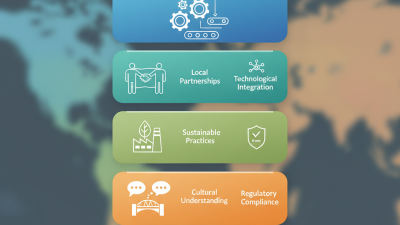
Selecting, Contracting, and Managing the Right Manufacturing Partner

Finding the right manufacturing partner

requires more than comparing hourly rates. Define product specifications, annual volumes, tolerances, testing methods, and target markets before requesting quotations.

The World Bank’s Logistics Performance Index 2023 shows that international shipments can spend up to 44 days moving through supply chains. Location affects responsiveness. So does customs experience.

Contracting should convert expectations into measurable obligations.

Include approved materials, inspection points, production capacity, tooling ownership, change-control procedures, delivery windows, and corrective-action timelines.

The contract should also explain what happens after a failed inspection. Vague promises create expensive arguments.

ISO’s Survey of Management System Standard Certifications 2023 recorded more than 1.26 million ISO 9001 certificates worldwide. Certification signals process discipline, but it does not guarantee product quality.

Audit recent production records, not only certificates.

Managing the relationship requires visible data.

Review yield, defect rates, on-time delivery, response time, and open corrective actions every month.

Request sample reports and traceability records. A small pilot order can reveal packaging weaknesses, communication delays, or unstable process settings.

In practice, buyers sometimes overvalue polished presentations and undervalue factory-floor evidence. That is a mistake worth acknowledging.

Trust is earned slowly.

Keep a second qualified source for critical components, while avoiding unnecessary supplier switching. The strongest partnership combines firm controls with practical communication across time zones.