What is a Filling Machine and How Does It Work?
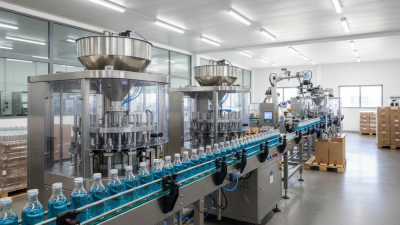
A filling machine is a vital piece of equipment in many industries. It automates the process of transferring liquids, powders, or granules into containers. This increases efficiency and reduces human error. Understanding how this machine operates can provide insights into its significance in production lines.
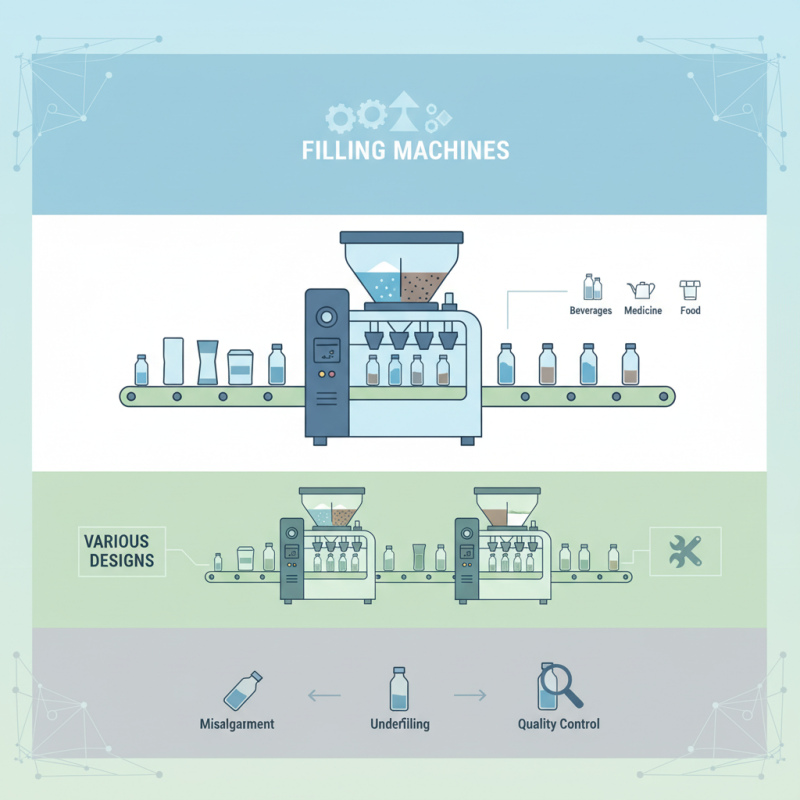
Filling machines come in various designs, each tailored for specific products. Some fill beverages, while others dispense pharmaceuticals or food products. The mechanics behind these machines can seem complex, yet they rely on fundamental principles. The ease of use is often coupled with the need for regular maintenance.
While filling machines enhance productivity, they are not without challenges. Misalignment, underfilling, or overfilling are common issues that require attention. Recognizing these potential flaws can lead to better performance and improved quality control. In an era where precision is key, the filling machine stands out as a crucial component in modern manufacturing.
What is a Filling Machine?
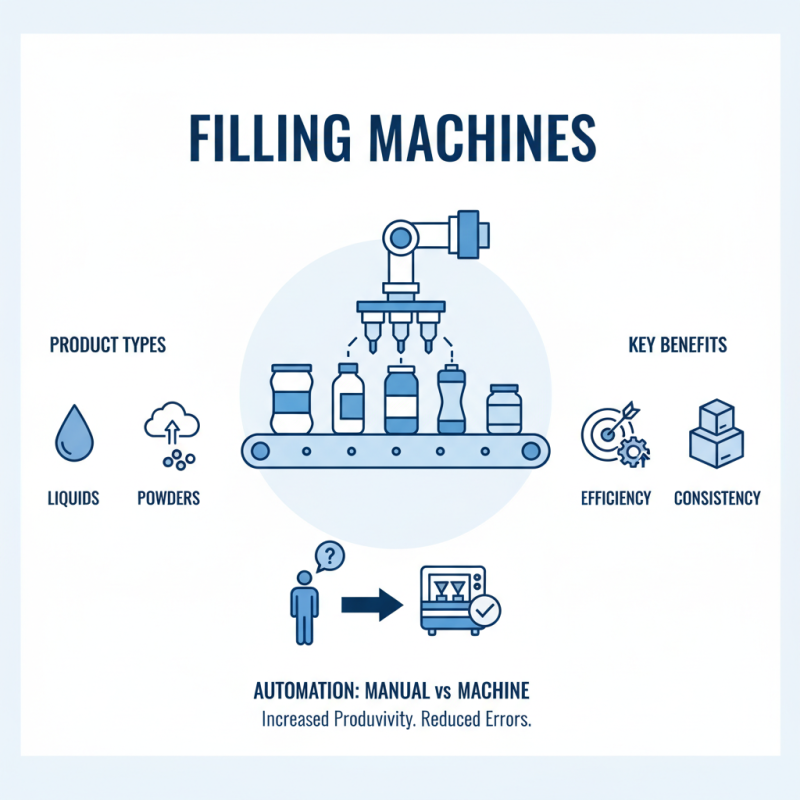
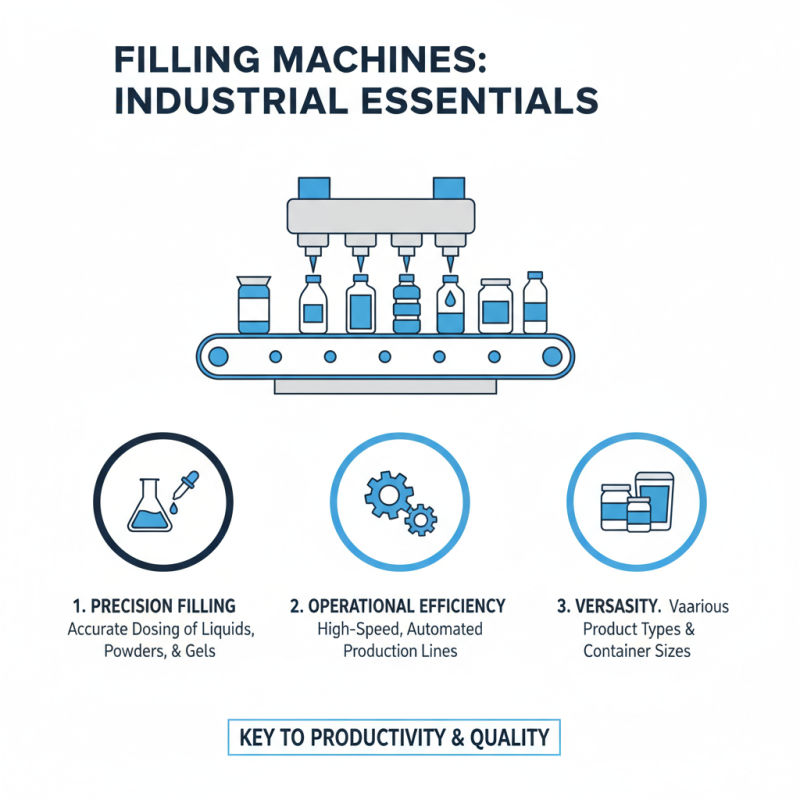
A filling machine is an essential tool used in various industries. It automates the process of filling containers with products. These products can be liquids, powders, or even granules. The primary function is to ensure accuracy and efficiency. Manual filling can be slow and prone to errors. A filling machine increases productivity and consistency.
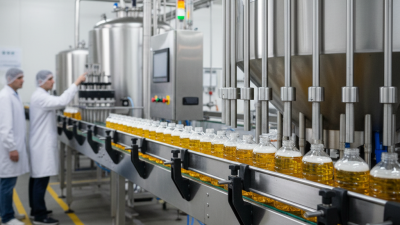
The operation of a filling machine involves several key components. For instance, containers are first positioned on a conveyor belt. Sensors detect their presence, triggering the filling process. The machine dispenses the product into each container. It can be adjusted for different product types and container sizes. This adaptability is vital for many businesses. However, machines can sometimes malfunction or produce inconsistencies, leading to waste.
Users must regularly maintain their machines to avoid such issues. Over time, parts may wear down or require calibration. It’s crucial to monitor the filling process closely. Difficulties may arise when switching between products. Training operators is essential but often overlooked. Achieving perfect fill levels can be challenging, making this process a continuous learning opportunity.
Types of Filling Machines and Their Applications
Filling machines are essential in many industries. They help automate the process of filling containers with various products. There are several types of filling machines, each serving different needs.
Volumetric filling machines measure the exact volume of liquid. They are common in the beverage industry. These machines are precise but can struggle with thicker products. Then there are gravity filling machines. They rely on gravity to fill containers. This type works well for thin liquids but may lead to spills and waste.
Piston filling machines are another option. They are ideal for thick or viscous products. However, they can be slower and require frequent cleaning. Another type is the vacuum filling machine. It uses a vacuum to draw liquid into containers. This method reduces air exposure, but it can be complex to operate. Each machine has its pros and cons, often reflecting a company’s specific needs and production goals.
Types of Filling Machines and Their Applications
Basic Components of a Filling Machine
A filling machine is essential for various industries. Understanding its components is crucial for users. Each part plays a significant role in the overall functionality.
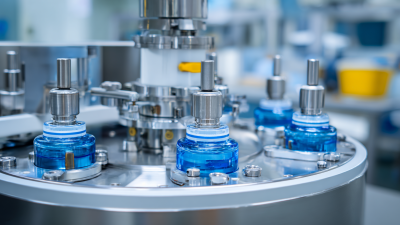
The hopper is the first component. It holds the product before filling. The size of the hopper can vary based on production needs. Below it sits the filling nozzle. This nozzle directs the product into the containers. Adjustments to the nozzle often influence precision.
Next, there’s the conveyor system. It transports containers to and from the filling station. This system ensures a smooth workflow. It’s vital for maintaining production speed. Each element needs regular checks. Neglecting this can lead to assembly line problems.
Tips: Regularly inspect the filling machine. Routine checks can prevent serious breakdowns. Make sure the nozzle is clean to ensure accurate filling. If there are inconsistencies, it could mean something's wrong internally.
Another key component is the
control panel. Operators use it to manage settings. The panel needs to be user-friendly. Complicated interfaces can lead to mistakes. Always provide training for new users. A well-trained operator can make a big difference.
How a Filling Machine Operates: Step-by-Step Process
Filling machines are essential in many industries. They facilitate the precise filling of various products into containers. Understanding how they operate is crucial for efficiency.
The filling process begins with the machine being set up for a specific product. This involves calibrating the volume and adjusting the speed. Next, the empty containers are placed on a conveyor belt, moving them toward the filling station. As they arrive, sensors detect their presence and signal the machine to start.
Once the containers are in position, the filling nozzle lowers into each one. The product is pumped through the nozzle, filling the container to the pre-set level. Timing is vital here; too fast, and products may spill. Too slow, and production halts. After filling, the nozzles retract, allowing the containers to move to the next stage. Observations during this process reveal areas needing improvement. Minor adjustments can enhance efficiency, but issues often arise, such as inconsistent fill levels or stains from overflow.
Maintenance and Troubleshooting Tips for Filling Machines
Filling machines are crucial in many industries. Regular maintenance keeps them running smoothly. It's easy to overlook small issues until they become bigger problems. Keeping a close eye on the machine can save time and money.
One common tip is to check the seals and gaskets regularly. They wear out over time and cause leaks. A simple visual inspection can catch these problems early. Make a schedule for inspections to ensure nothing slips through the cracks.
Another essential step is to clean the machine frequently. Dust and debris can affect performance. A thorough cleaning can improve the filling accuracy. Use appropriate cleaning agents that won’t damage the machine.
Lastly, always keep an eye on the machine’s performance. If there’s an unusual noise or change in speed, don’t ignore it. This might indicate a deeper issue that requires immediate attention. Taking these small steps can improve longevity and efficiency.
What is a Filling Machine and How Does It Work? - Maintenance and Troubleshooting Tips for Filling Machines
| Aspect |
Description |
| Type of Filling Machine |
Gravity Filling Machine |
| Applications |
Liquid products such as water, juices, and sauces |
| Working Principle |
Uses gravity to fill containers from a tank or hopper |
| Common Troubleshooting Issues |
Underfilling, overfilling, and inconsistent flow rates |
| Maintenance Tips |
Regularly clean and inspect valves and seals |
| Adjustment Features |
Flow rate control and height adjustment for different container sizes |
| Safety Precautions |
Ensure proper grounding and emergency shut-off procedures |