How to Choose a Precision Machine in 2026?
Choosing a precision machine in 2026 requires more than comparing prices, speeds, and attractive brochures. The right choice begins with the workpiece, tolerance, material, batch size, and expected production schedule. A machine cutting hardened steel needs different strength and thermal control than one machining aluminum prototypes. That difference matters.
Start by defining measurable needs. Record dimensional tolerances, surface-finish targets, spindle speed, tool capacity, axis travel, and available floor space. Then examine the machine’s rigidity, positioning accuracy, repeatability, control system, and cooling performance. Small details matter. A warm workshop, unstable foundation, or poor chip evacuation can quietly damage results.
Buyers should request traceable test data, maintenance records, and realistic sample parts. Ask how accuracy is verified, not merely advertised. Standards-based inspection reports can provide useful evidence, but they do not replace practical trials. Request a cutting demonstration with your material and tooling. Watch the surface finish, vibration, chip shape, cycle time, and operator workload. These observations often reveal weaknesses hidden in specifications.
Service support deserves equal attention. Confirm response times, spare-parts availability, software updates, training, and local technical expertise. A highly capable machine may become expensive if support is distant or unclear. More automation is not always better. It can increase productivity, yet it may also add complexity and training demands. That trade-off deserves honest review.
Independent advice helps, but every recommendation has limits. A checklist can still mislead. Use documented evidence, hands-on testing, and feedback from experienced operators. Choose the precision machine that fits your process reliably, not the one that sounds most impressive.
Define Precision Machine Types and Their Core Applications in 2026
How to Choose a Precision Machine in 2026?
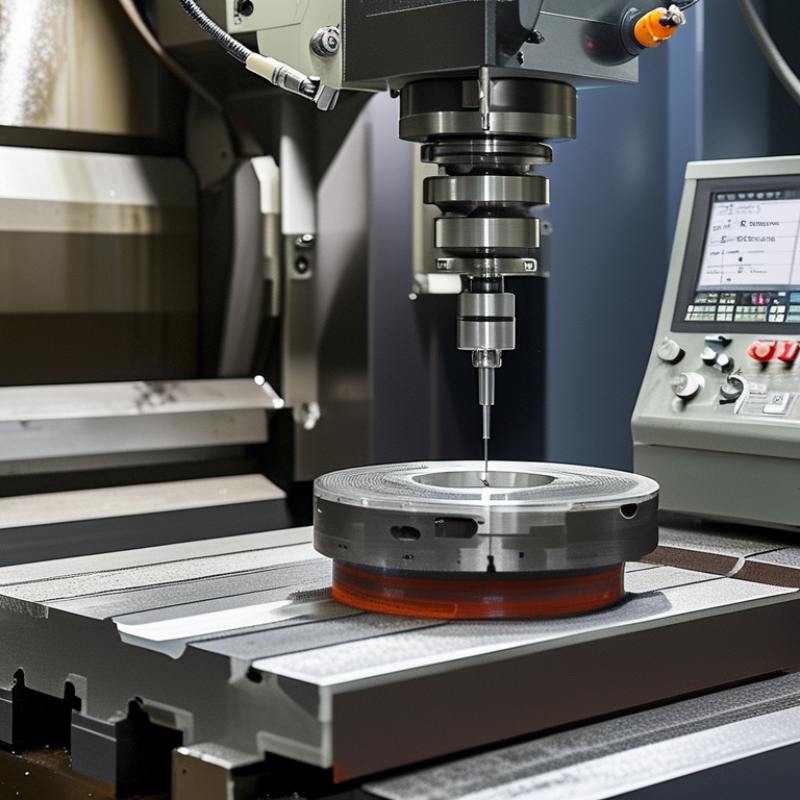
Choosing a precision machine in 2026 starts with the workpiece, not the brochure. A CNC machining center suits complex metal parts, tight tolerances, and repeatable batch production. A coordinate measuring machine verifies dimensions after cutting. Optical inspection systems help when surfaces are delicate or contact could damage them. Metal additive machines support lightweight geometries and customized parts. Each type solves a different problem. Small tolerances demand discipline.
According to the International Federation of Robotics’ World Robotics 2024 report, 541,302 industrial robots were installed worldwide in 2023, 10% more than in 2022. This growth shows how strongly manufacturers value repeatability and connected production. However, automation does not repair poor fixturing or unstable temperature control. A practical evaluation should check thermal drift, probing accuracy, spindle behavior, software compatibility, and operator training. Request a test cut using your actual material and geometry. A showroom sample can hide weaknesses.
UNIDO’s Industrial Development Report 2024 places manufacturing at roughly 16% of global GDP, confirming its continuing economic importance. Yet the correct machine depends on more than market momentum. High-volume components may need automation and fast tool changes. Aerospace-style parts may prioritize five-axis movement and measurement control. Medical components require traceability and consistent validation. I would avoid choosing only by advertised accuracy. Real production includes vibration, tool wear, cleaning delays, and occasional mistakes. The perfect specification rarely exists. A useful choice balances measured performance, maintenance access, energy use, and the skills available on the shop floor.
How to Choose a Precision Machine in 2026?
Precision machine types and their core applications, compared by typical achievable dimensional accuracy.
The chart uses representative midpoints of commonly specified accuracy ranges. Grinding and wire EDM are generally selected for the tightest tolerances, while CNC milling and turning provide flexible production for parts with less demanding accuracy requirements. Actual performance depends on machine condition, thermal control, tooling, material, measurement method, and process setup.
Assess Accuracy, Repeatability, Speed, and Machine Capacity
Choosing a precision machine in 2026 requires more than reading an accuracy figure. Accuracy shows how closely the machine reaches a target. Repeatability shows whether it returns there consistently. These are different qualities. A machine may produce one perfect test cut, then drift after several hours. Check calibration records, thermal compensation, and inspection data from real production. Ask for results across multiple cycles, not one impressive sample.
Speed matters only when it supports stable quality. High feed rates can increase heat, vibration, and tool wear. During machine trials, observe surface finish, cycle-time variation, and restart performance. Capacity also needs careful attention. Confirm axis travel, table dimensions, payload, workholding clearance, and spindle load. Leave space for fixtures and chip removal. I have seen buyers choose a large work envelope, then discover that the fixture blocks essential movement. That mistake is expensive, and sometimes avoidable.
Tips:
Compare measured repeatability with your tightest tolerance. Request a test using your material and tooling. Review maintenance access, calibration intervals, and operator training. Allow safety margin for future parts. Do not judge speed alone. A slightly slower machine with consistent output may create fewer rejected parts and less downtime. My own preference is to record results under realistic shop conditions, although that method takes longer and can reveal uncomfortable weaknesses.
Evaluate Materials, Maintenance, Safety, and Operating Costs
How to Choose a Precision Machine in 2026?
A precision machine should match your material, not merely your target tolerance. Test aluminum, hardened steel, composites, or plastics with real shop samples. Observe burrs, heat marks, vibration, and dimensional drift after several hours. A machine that performs well for ten minutes may fail during a long production run. Ask for measured results, inspection methods, and repeatability data. Marketing claims are not enough.
Maintenance often decides the true purchase price. Check access to filters, lubrication points, tooling, sensors, and control cabinets. Can a trained technician complete routine service without dismantling half the machine? Review maintenance records from similar equipment, if available. Estimate planned downtime, spare parts, calibration, and operator training. I have seen low-cost equipment become expensive after repeated alignment problems. That lesson still matters.
Safety must be practical, visible, and documented. Inspect guarding, emergency stops, interlocks, chip control, noise, and access around moving parts. Operators should not defeat a safety feature to save thirty seconds. Calculate electricity, cooling, compressed air, tooling, labor, waste, and floor space over the expected service life. Include disposal and upgrades. I would also challenge optimistic cost projections. They often exclude small failures, rushed repairs, and rejected parts. Leave room for uncertainty.
Select the Best Machine Through Testing, Budgeting, and Future Planning
How to Choose a Precision Machine in 2026?
Selecting a precision machine should begin with testing, not brochures. Define the required tolerance, material, cycle time, and operator skill. Then run sample parts using your actual drawings. Measure dimensional stability after warm-up, repeated cycles, and tool changes. A machine that performs once may still fail during a twelve-hour shift. The International Federation of Robotics reported 541,302 industrial robots installed worldwide in 2023. That growth shows why automation readiness and data access deserve attention. However, precision claims remain meaningless without verified inspection results. Request traceable measurement records, not only sales estimates.
Tips:
Test three identical parts. Check drift every hour. Record setup time, energy use, noise, and maintenance access. Ask technicians to repeat the process without coaching. Their feedback may reveal awkward controls or unsafe lifting points.
Build a five-year budget before choosing specifications. Include tooling, software, training, calibration, electricity, downtime, and replacement components. Deloitte’s 2024 Smart Manufacturing and Operations Survey found that 92% of surveyed manufacturers viewed smart manufacturing as a major competitiveness driver over the next three years. This supports investing in connectivity, but connectivity alone does not create quality. Choose open data formats and upgradeable controls where practical. My own planning can overvalue future features and underestimate integration work. That mistake is expensive. Leave financial space for installation delays and staff training. A smaller machine with stable output may outperform a larger model that remains underused. Test the workflow, not just the machine.