How to Choose the Right PC Hammer Crusher for Your Needs?
Choosing the right PC Hammer Crusher is crucial for your operations. John Smith, a leading expert in crushing technology, once stated, “Selecting an ideal crusher can make or break your production line.” This insight highlights the significance of making an informed choice.
When considering a PC Hammer Crusher, several factors come into play. The size, capacity, and material to be crushed are vital. Understanding your specific needs helps streamline the decision-making process. Different industries require unique specifications. A one-size-fits-all approach rarely works.
Moreover, evaluating the durability and maintenance requirements of the crusher is essential. Costs can add up quickly if you choose a model that requires constant repairs. Many buyers overlook this aspect, leading to future regrets. Assessing user reviews and industry feedback can provide valuable insights. Remember, the right PC Hammer Crusher not only increases productivity but also enhances overall efficiency.
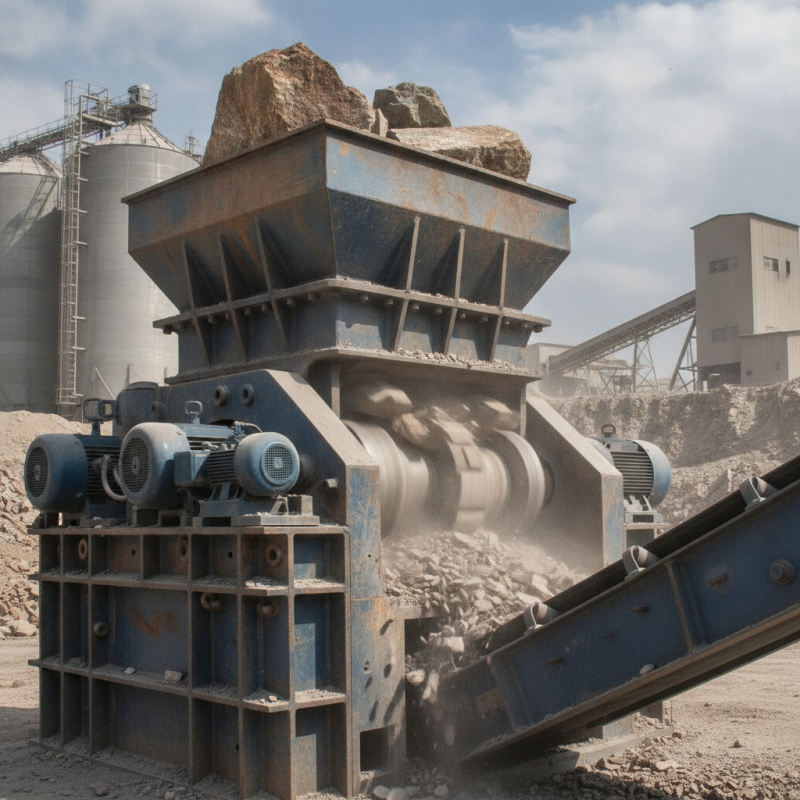
Understanding PC Hammer Crusher: Features and Applications
When selecting a PC hammer crusher, understanding its features and applications is crucial. PC hammer crushers are versatile machines used for various industrial applications. They effectively crush materials like coal, salt, chalk, and gypsum. Their design allows for efficient reduction of size, making them essential in mining and construction.
Tip: Assess your material type before choosing a crusher. Different designs offer unique advantages, tailored to specific materials.
These crushers are designed with several key features. Their high crushing ratio and low energy consumption make them attractive for long-term use. The adjustable screens allow operators to control the size of the output material. However, one must consider the trade-off between capacity and power consumption.
Tip: Check user reviews and case studies related to your specific needs. Learning from others can reveal insights about efficiency and maintenance.
Additionally, maintenance is often overlooked. Regular checks can prevent unnecessary downtime. A better understanding of the machine's mechanics leads to improved performance. Operators should not underestimate the importance of regular maintenance and proper operation training.
Assessing Your Material Requirements for PC Hammer Crusher Selection
When choosing a PC hammer crusher, understanding your material requirements is crucial. Different materials have unique properties that affect how they should be processed. For instance, the hardness of the material impacts the durability of the hammer. Softer materials may not require as robust a design, while harder materials demand higher-quality materials and engineering.
You should also consider the size and moisture content of your material. Large, wet lumps can clog the machine. If you have aggregates with varying sizes, the crusher's capabilities need to match these differences. A mismatched crusher may lead to inefficiencies and higher operational costs. Examining the feed size and desired output size is equally important. An oversight here can result in unsatisfactory production rates.
Professional recommendations can be helpful, but they may not cover all your needs. Verifying the specifications with your operational context is essential. You may need to experiment with different crushers to truly find the right fit. Reflecting on your unique requirements will guide you toward a better decision.
Comparing Different Models of PC Hammer Crushers: Key Specifications
When selecting a PC hammer crusher, it’s crucial to understand the key specifications that differentiate various models. Factors such as motor power, rotor speed, and feed size play a significant role. A model with a powerful motor can handle larger materials more efficiently. Ideally, aim for a balance between power and energy consumption to optimize your operations.
Another important aspect is the type of material you will process. Different models vary in their ability to crush hard or soft materials. Some crushers excel with minerals, while others are better for organic materials like biomass. The choice of hammer design and the material it's made from also influences durability and performance. Consider how often the hammers will need replacement; this impacts ongoing costs.
Lastly, evaluate the size and weight of the crusher. A heavier model may perform better in terms of stability but could pose installation challenges. Understand your facility's limitations. This can save time and costs in the long run. By identifying what specifications align with your operational needs, you can make a more informed choice.
How to Choose the Right PC Hammer Crusher for Your Needs? - Comparing Different Models of PC Hammer Crushers: Key Specifications
| Model | Max Feed Size (mm) | Capacity (t/h) | Power (kW) | Weight (kg) | Dimensions (L x W x H, mm) |
| PC-160 | 200 | 20 | 55 | 1200 | 1500 x 1200 x 1500 |
| PC-300 | 250 | 40 | 75 | 1500 | 1900 x 1500 x 1800 |
| PC-500 | 300 | 60 | 110 | 1600 | 2200 x 1800 x 2000 |
| PC-800 | 350 | 100 | 132 | 2000 | 2500 x 2000 x 2300 |
Evaluating Your Production Capacity Needs for PC Hammer Crushers
When selecting a PC hammer crusher, understanding your production capacity needs is crucial. According to recent industry reports, a typical hammer crusher can handle between 10-100 tons of material per hour. This range varies based on the materials being processed. An accurate assessment of your daily output requirements will help narrow down your options significantly.
The capacity of your crusher should align with your operational goals. For example, if your facility requires an output of 200 tons per day, operating at a steady 20 tons per hour would meet this need. However, fluctuations in material density can impact efficiency. Studies show that 15% of operations report inefficiencies due to overestimating material throughput. Therefore, it's vital to validate your requirements based on realistic production scenarios.
It's also essential to consider future growth. Many businesses initially choose a machine that meets current demands only to find it inadequate as production scales up. Investing in a model that allows for increased capacity or interchangeable components can save significant costs down the road. An analysis by industry experts indicates that nearly 40% of enterprises face expansion challenges due to equipment constraints. Choosing wisely today can lead to smoother operations tomorrow.
Production Capacity of PC Hammer Crushers
Budget Considerations: Cost Factors in Choosing a PC Hammer Crusher
When selecting a PC hammer crusher, budget considerations are crucial. Understand the total costs involved, not just the initial purchase price. Installation, maintenance, and operational costs can add up. For instance, some models may require more frequent part replacements, which can be costly. Assessing the long-term investment is essential.
Consider the materials you will process. Costs may vary depending on the crusher's design and capabilities. A higher capacity unit might seem expensive but could save money over time by enhancing productivity. However, it’s worth noting that purchasing more power than you need can lead to over-spending. Carefully analyze your needs and production goals to avoid setbacks.
Quality and performance often come with a price tag. If you opt for a cheaper model, you may encounter reliability issues. This could lead to downtime and further expenses. Striking a balance between cost and quality is vital. Don't rush your decision; think about different options and consult industry experts. They can provide insights that may help refine your selection.