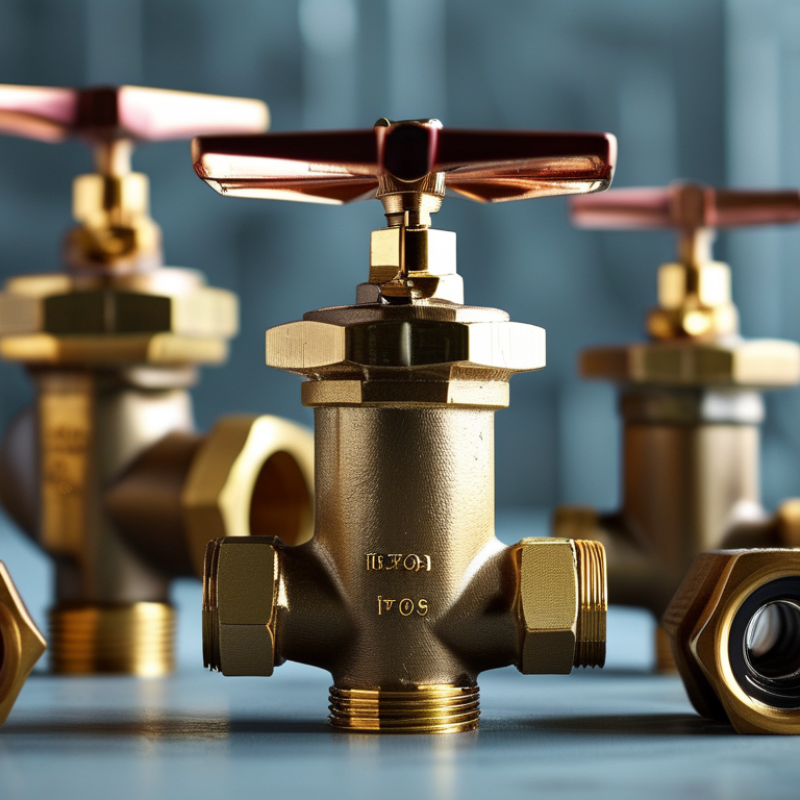
The first datasheet I review is rarely complete. Media identification must go beyond “water” or “gas.” Record concentration, viscosity, solids, corrosiveness, and flow direction. These details influence the body, trim, seat, and sealing materials. An angle valve handling steam needs different construction from one serving clean chemicals. Confirm whether the media is toxic, flammable, abrasive, or prone to crystallization. Small omissions can create expensive failures.
Define DN from the required flow rate, not from an existing pipe alone. Check inlet and outlet sizes, connection standards, face-to-face dimensions, and available installation space. Temperature must include normal, minimum, and maximum conditions. Add realistic startup and shutdown values. Pressure class selection also requires care. ASME Class 150, 300, 600, 900, 1500, and 2500 are not simple pressure numbers. Allowable pressure changes with temperature and material. Always compare the valve rating with the applicable design code and project specification.
Tips: Request a complete pressure-temperature chart and material certificate. Ask for test standards, inspection records, and traceability documents. Verify DN and pressure class markings on drawings. A supplier may answer quickly, but fast answers are not always complete. I have seen projects delayed by one missing temperature value. Leave room for review, especially when data is uncertain. Global sourcing rewards clear questions, not assumptions.