Top 5 Tips for Choosing the Right Temperature Sensor?
Choosing the right Temperature Sensor is crucial in many industries. From manufacturing to healthcare, precision matters. According to a recent report by MarketsandMarkets, the global temperature sensor market is projected to reach $4.61 billion by 2024, growing at a CAGR of 5.4%. This growth reflects the increasing demand for accurate temperature monitoring in various applications.
Temperature sensors are vital instruments that help maintain product quality and safety. In the food industry, for instance, improper temperature measurements can lead to spoilage. The CDC reports that roughly 48 million Americans get sick from foodborne illnesses each year. Thus, selecting the right sensor can impact public health and business operations.
Yet, choosing a temperature sensor can be challenging. Numerous options exist, each with different features and specifications. Do you prioritize accuracy, range, or stability? Understanding your specific needs is essential. When evaluating sensors, it’s important to consider factors like environmental conditions and installation methods. Your choice can greatly influence efficiency and outcomes in critical processes.
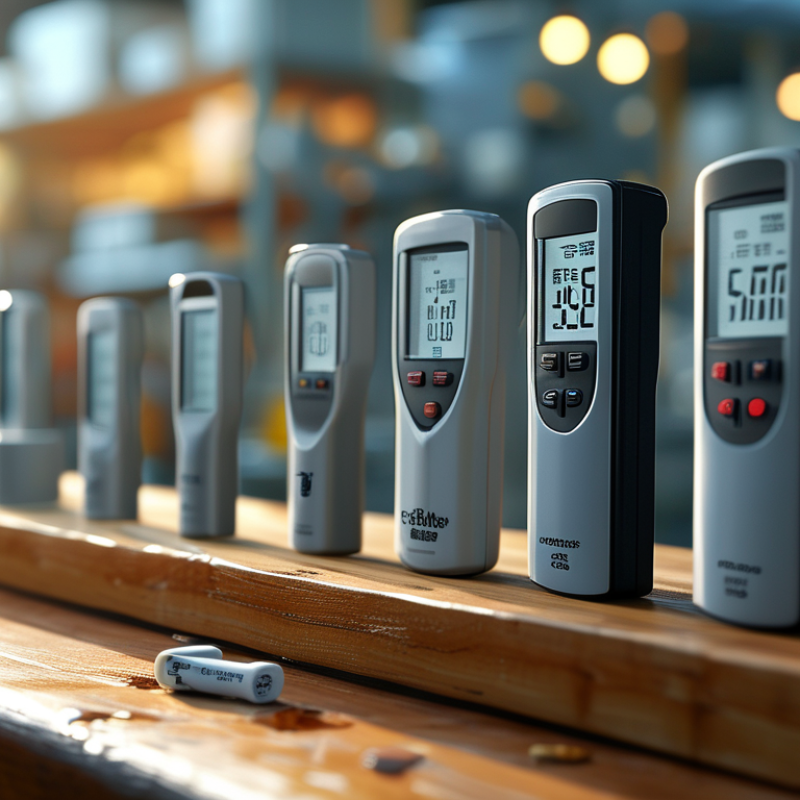
Understanding Different Types of Temperature Sensors Available in the Market
When selecting a temperature sensor, it's crucial to understand the various types available. Common options include thermocouples, RTDs, and thermistors. Each type serves different needs and environments. Thermocouples are versatile and can handle extreme temperatures, while RTDs offer high accuracy in moderate ranges. Thermistors, on the other hand, provide rapid response time for smaller temperature changes.
Consider the application when choosing a sensor. For industrial settings, an RTD might be more reliable due to its stability over time. In contrast, thermocouples excel in environments with fluctuating temperatures. Ensure the sensor you choose can withstand your specific conditions. Also, reflect on the calibration process. An improperly calibrated sensor can lead to significant measurement errors, impacting your results.
Installation is another area that can lead to challenges. Ensure you have the right components to fit your sensor. Misalignment can cause inaccurate readings. Always review the sensor's specifications. There are nuances in data output that may affect your system. A brief misunderstanding of these details can result in unexpected failures. Take your time to assess all factors carefully.
Evaluating Precision and Accuracy: Key Metrics for Temperature Sensors
When selecting a temperature sensor, evaluating precision and accuracy is crucial. Precision refers to the sensor’s ability to provide consistent readings across multiple measurements. Accurate readings, on the other hand, mean the measurements reflect the true temperature of the environment. Balancing these two aspects is essential in making an informed choice.
In practice, it is common to encounter sensors that excel in one area but falter in another. For instance, a sensor may provide precise data but struggle with accuracy due to calibration issues. It’s vital to understand that calibration is not a one-time task. Regular checks can improve reliability and ensure the sensor serves its purpose effectively.
Consider the application for which you need the sensor. Is it for industrial use, food safety, or laboratory settings? Each application has different requirements for precision and accuracy. Reflecting on these needs can guide you to a sensor that meets your unique challenges. Always remember, the best sensor is not just the most precise; it’s the one that aligns with your specific goals.
Assessing Environmental Conditions: Choosing Sensors for Specific Applications
When selecting a temperature sensor for specific applications, understanding the environmental conditions is crucial. Different sensors react differently based on their surroundings. For instance, industrial settings may require robust sensors that can withstand harsh conditions. In contrast, sensitive applications like laboratory experiments might need precise and more delicate sensors.
Tip: Always consider the temperature range that your application requires. Some sensors perform well in extreme temperatures while others may fail. Make sure to verify specifications thoroughly. Assess where the sensor will be installed. Is it in a dusty environment or prone to moisture? These factors affect performance and longevity.
Another point to ponder is the sensor's response time. Quick response is vital in many applications, while others may tolerate a delay. Tip: Check the sensor's specifications for this. Additionally, consider how easy it is to install and maintain the sensor. Some sensors may complicate the setup process, leading to higher operational costs. Reflect on how these factors interact with your specific needs. Each application is unique; there is no one-size-fits-all approach in choosing sensors.
Analyzing Cost vs. Performance: Budgeting for Temperature Sensor Selection
Choosing the right temperature sensor involves careful budgeting. The cost-performance ratio can impact project outcomes significantly. It’s essential to match your performance needs with your budget constraints. Some sensors offer high precision but come with a steep price tag. Others may be more affordable but could compromise accuracy.
Consider your application specifics. If you need precise readings for critical processes, investing in higher-end sensors might be wise. However, for less demanding applications, a budget sensor might suffice. Balancing cost with performance often leads to tough decisions. Reflecting on past projects can provide valuable insights into what worked well.
Evaluate total costs, not just the sensor price. Installation and operational costs add up. Think about maintenance and calibration needs. Sometimes, cheaper solutions require more frequent replacement, negating initial savings. Prioritize sensors that fit your long-term goals while staying within budget.
Considering Compatibility: Ensuring Integration with Existing Systems
When selecting a temperature sensor, compatibility should be a primary concern. A sensor that seamlessly integrates with existing systems can save time and resources. According to a report by the International Society of Automation, nearly 30% of companies report integration issues with new sensors. This statistic highlights the importance of evaluating how a new sensor will interact with current technologies.
Consider the communication protocols in use. Many sensors operate on different standards such as Modbus or Ethernet. Selecting a sensor that corresponds with your existing infrastructure is crucial. If there’s a mismatch, additional converters might be needed, leading to increased costs. For instance, companies have faced delays in project timelines due to such incompatibilities, which can be frustrating for teams.
Another significant aspect is environmental compatibility. Some sensors excel in specific conditions—like high humidity or extreme temperatures—while others do not. The potential for performance degradation is a critical consideration. A failure in extreme conditions could lead to significant downtime. Analytics from industry leaders suggest that around 25% of sensor failures occur because of environmental mismatch. Understanding these nuances can assist in making smarter choices.
Top 5 Tips for Choosing the Right Temperature Sensor
| Tip Number | Tip Description | Key Considerations | Compatibility Factors |
| 1 | Determine Temperature Range | Assess environmental conditions | Ensure sensor can operate within the necessary range |
| 2 | Consider Sensor Type | Identify required accuracy and response time | Check compatibility with existing measurement systems |
| 3 | Evaluate Output Signal | Select between analog and digital outputs | Ensure signal type matches existing data acquisition systems |
| 4 | Check Power Requirements | Assess voltage and current needs | Confirm compatibility with power supply of existing systems |
| 5 | Review Environmental Suitability | Check for factors such as humidity and chemical exposure | Ensure materials used are compatible with existing environment |