2026 How to Choose Geological Exploration Cutting Tools?
Choosing the right Geological Exploration Cutting Tools is crucial for successful exploration. These tools directly affect the precision and efficiency of geological assessments. According to a 2023 report by the International Geological Survey, nearly 40% of exploration failures stem from inadequate tooling choices. This highlights the importance of making informed decisions in tool selection.
Dr. Emily Thompson, a renowned expert in geological engineering, once stated, “The right tools can mean the difference between discovery and disappointment.” Her insights emphasize the need for careful evaluation of various cutting tools. Factors like material composition, cutting technology, and regional geology must be considered. For instance, diamond bits are preferred for hard formations, while carbide tools work well in softer soils.
Users must also reflect on past experiences. Did previous tools meet expectations? Were there challenges in performance or durability? Understanding these aspects will lead to better choices. The market offers a range of options, yet not all tools are equal. Exploration teams should weigh their specific needs against tool capabilities to enhance outcomes.
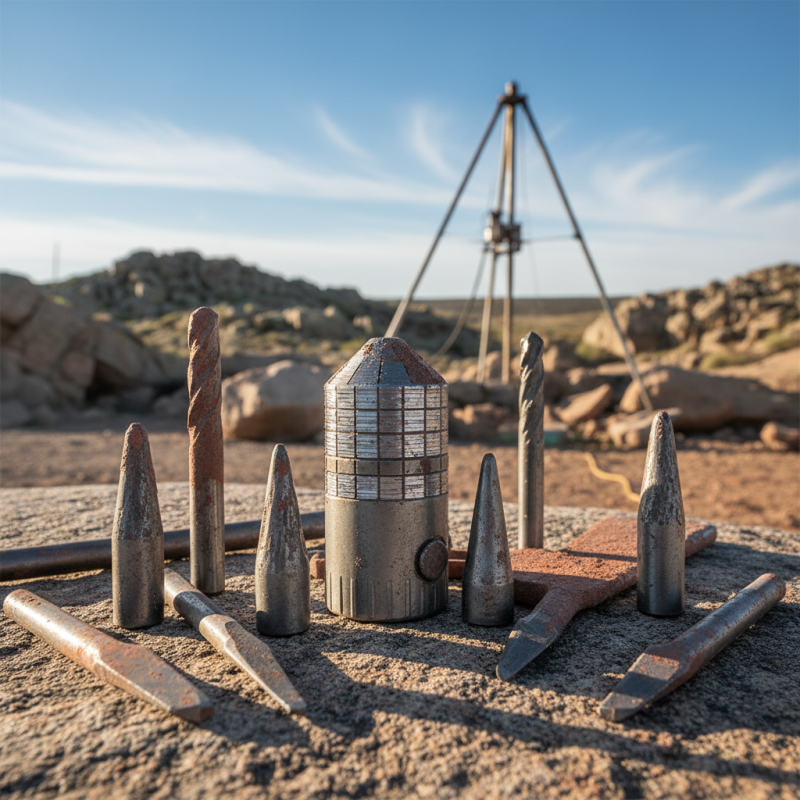
Understanding the Importance of Cutting Tools in Geological Exploration
Choosing the right cutting tools is crucial in geological exploration. These tools help professionals access and analyze subsurface materials. The right selection can impact the accuracy of geological assays. Improper tools may lead to inaccurate results and increased costs.
Cutting tools should vary based on the geology being studied. For instance, harder rocks require tougher materials. Additionally, the scale of exploration may influence the type of tool needed. For small, detailed surveys, precision tools are a must. Yet, in larger projects, efficiency could be a priority.
It's essential to consult experts who understand the nuances of geology. Their experience can guide tool selection effectively. Relying solely on generic information is risky. Every geological site presents unique challenges that tools must address. Learning from past mistakes can lead to better choices in future projects.
Types of Cutting Tools Used in Geological Exploration
In geological exploration, choosing the right cutting tools is crucial. Various types of tools are used, each serving a specific purpose. For instance, diamond-tipped drill bits are popular for their durability. They can efficiently penetrate hard rock formations. These bits provide clean samples and are reliable under intense conditions. However, they can be expensive and may require frequent replacement depending on the materials being explored.
Another common tool is the auger. It is effective for softer soil and sediment layers. Augers operate on a simple mechanism, drilling into the earth with a helical screw. While they are cost-effective, augers may struggle in rocky terrains. Operators need to assess the geological environment before choosing this option. A well-informed choice can improve the quality of samples collected.
Finally, core cutters play a significant role, especially in mineral exploration. These tools extract cylindrical samples from various substrates. They help in analyzing the geological structure in detail. Yet, they can be bulky and hard to transport in remote areas. Exploration teams often face logistical challenges when using larger tools. Ultimately, understanding the strengths and limitations of each tool is key to successful geological exploration.
2026 How to Choose Geological Exploration Cutting Tools? - Types of Cutting Tools Used in Geological Exploration
| Cutting Tool Type | Material | Application Area | Advantages | Disadvantages |
| Diamond Core Drill | Synthetic Diamonds | Hard Rock Formations | High penetration rate, excellent core recovery | Expensive, requires skilled operators |
| Rotary Drill Bit | Steel and Tungsten Carbide | Soft to Moderate Rock Formations | Versatile, cost-effective | Lower penetration rates in hard rock |
| PDC Bit | Polycrystalline Diamond | Various Geological Formations | Longer lifespan, consistent performance | Higher upfront cost, sensitive to drilling parameters |
| Auger Drills | Steel | Loose Soil and Sediments | Simple design, easy operation | Limited depth, unsuitable for hard materials |
| Wireline Coring | Steel and Diamond Reinforced | Deep Geologic Exploration | Efficient core retrieval, minimizes disturbances | Complex setup, requires careful handling |
Factors to Consider When Selecting Cutting Tools
Choosing the right geological exploration cutting tools is crucial. Factors to consider include the type of material you will be cutting. Different formations require different cutting methods. Some may be soft, while others can be very hard. Understand the geological conditions at your site. This includes rock types and their properties.
Another important factor is tool durability. Cutting tools should withstand wear and tear. Consider how long the tools last under various conditions. Read reviews or seek advice from experienced professionals. Their insights can guide your choices. Also, be aware that some tools may work well initially but fail under extended use.
Cost is another element in your decision. Balancing quality and budget can be difficult. Sometimes, lower-cost tools may lead to more expenses later. Repair and replacement costs add up quickly. Finally, think about the comfort and ergonomics of the tools. Heavy or poorly designed tools can affect productivity. Investing in tools that feel right can yield better results in the field.
Evaluating the Performance and Efficiency of Cutting Tools
Choosing the right cutting tools for geological exploration is crucial. The performance and efficiency of these tools can significantly impact drilling projects. Factors like material, design, and purpose all play a role in how well a tool performs. For example, diamond-tipped tools provide exceptional durability in hard rock conditions. However, they may not be the best choice for softer formations.
Tools often break or wear down unexpectedly. When evaluating performance, consider the tool's lifespan and maintenance needs. Regular assessments can give insights into how efficiently your tools operate. Poor performance can stem from improper use or wear-and-tear. Recognizing these issues early is essential for effective exploration.
Tips: Always assess the geological conditions before selecting a tool. Don't hesitate to consult with experts. Their experience can guide you in making informed choices. Testing tools on a smaller scale helps understand their capabilities. This practice can save time and resources in the long run. Stay updated with the latest advancements in cutting technologies to enhance your toolkit.
Maintenance and Care for Geological Exploration Cutting Tools
Geological exploration cutting tools are essential for effective drilling and sampling. However, their performance heavily relies on proper maintenance and care. Regular inspection is crucial. Tools should be cleaned immediately after use to prevent build-up of debris and materials. Neglected tools can lead to inaccurate data collection and costly repairs.
Tips: Always store tools in a dry place. Moist environments can lead to rust and deterioration. A simple wipe down with an oil-soaked rag can extend the life of your equipment.
Monitoring usage frequency also helps. Tools that are overused may lose sharpness quickly. According to a 2022 industry report, cutting tools require sharpening after 100 hours of use, depending on the material. Keeping track of this can enhance performance and reduce downtime on projects.
Tips: Invest in a quality sharpening system. It can save time and improve the precision of your cuts. Regular file or grinding checks should be part of your maintenance routine. Adjustments can often be guided by visible wear patterns.