Request Quote

Request a quote from Nidec Drive Technology America Corporation.

This quote form is intended for customers and partners in North America seeking information about Nidec Drive Technology America Corporation’s Precision Gearing Technologies. For inquiries related to the Nidec motor group division or from outside this region, please visit the global Nidec Group website to find the appropriate regional or product-specific contact.

Subscribe to Nidec Newsletter

Subscribe to our email newsletter to stay current with our precision gearing solutions, featured products, company updates, and industry news.

How to Choose Galvanized Steel Square Pipe in 2026?

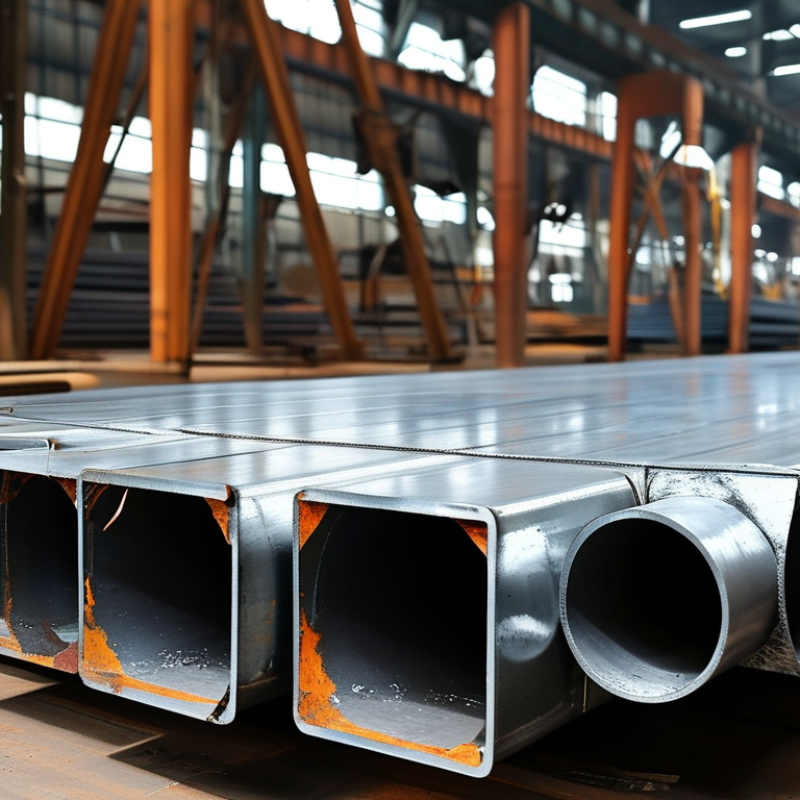
Choosing a Galvanized Steel Square Pipe in 2026 requires more than comparing prices per metre. Buyers must examine coating thickness, steel grade, dimensions, weld quality, load demands, and traceability. A pipe may look bright and uniform, yet still have thin zinc coverage or inconsistent wall thickness.

The World Steel Association’s World Steel in Figures 2025 shows the continuing scale of global steel production and consumption. Meanwhile, the U.S. Geological Survey’s Mineral Commodity Summaries 2025 identifies zinc supply as a critical factor for galvanized products. These reports matter because zinc availability can influence coating costs, lead times, and regional sourcing decisions. Market forecasts from Grand View Research also indicate steady growth in galvanized steel applications, supported by construction, infrastructure, and industrial demand.

Tom Langill, Technical Director of the American Galvanizers Association, explains the core principle: “Zinc provides both barrier protection and sacrificial protection to steel.” That distinction is easy to overlook. It explains why a properly galvanized square pipe can survive scratches better than painted steel alone.

Check the details.

For example, compare two 50-by-50-millimetre pipes under strong warehouse lighting. One may have a smooth silver surface. The other may show minor zinc texture but carry a thicker, verified coating. The second option may provide better long-term value.

Still, no single specification guarantees performance. Poor storage, trapped moisture, incorrect welding, and aggressive soil can shorten service life. This guide examines the evidence, common purchasing mistakes, and practical inspection steps before selecting a Galvanized Steel Square Pipe in 2026.

How to Choose Galvanized Steel Square Pipe in 2026?

Define Galvanized Steel Square Pipe by ASTM A500 Grade B’s 46 ksi Yield Strength

How to Choose Galvanized Steel Square Pipe in 2026?

When choosing galvanized steel square pipe in 2026, begin with structural demand, not surface appearance. ASTM A500 Grade B specifies a minimum yield strength of 46 ksi, or about 317 MPa. This means the steel starts permanent deformation near that stress level. It is not the allowable design stress. A qualified engineer must still review span, wall thickness, buckling, connections, and environmental exposure. Square structural tubing is not the same as pressure pipe. Confirm the product classification carefully.

Tips: Request a mill test report showing ASTM A500 Grade B compliance. Check the actual wall thickness, outside dimensions, corner radius, and straightness. Verify the galvanizing process and coating inspection records. Zinc thickness matters in coastal or constantly damp locations. Do not guess.

A thicker wall is not automatically the best choice. It may increase weight, handling effort, and connection difficulty without solving the real design problem. A properly selected 46 ksi tube can provide reliable strength with efficient material use. Pay attention to cut ends, damaged zinc, and weld preparation during installation. Galvanizing protects exposed steel, but it cannot correct poor drainage or trapped moisture. Small differences matter. I would also recheck the drawings, because a square tube that fits visually may still fail dimensional or load requirements.

Match Pipe Dimensions, Wall Thickness, and Load Capacity to Project Needs

How to Choose Galvanized Steel Square Pipe in 2026?

Choose pipe dimensions from the actual load path, not appearance. Measure span length, support spacing, connection details, and expected loads. A larger outside dimension can improve bending resistance, but it may not fit existing brackets or joints. Check the clear opening too. Small errors create expensive site adjustments.

Wall thickness strongly affects strength, stiffness, welding, drilling, and resistance to local buckling. Thin walls may suit light frames, handrails, or non-critical supports. Heavier walls are often better for columns, equipment frames, and impact-prone areas. However, more steel adds weight and cost. Use verified load tables, structural calculations, and applicable local standards. Do not rely on a seller’s nominal size alone. Actual tolerances matter.

Tips: Ask for measured dimensions, wall thickness, steel grade, coating weight, and test documentation. Confirm whether the pipe is exposed to moisture, salt, chemicals, or trapped water. Seal or drain enclosed sections carefully. Galvanizing helps resist corrosion, but it does not correct poor detailing. Remember the connections. Bolts, welds, base plates, and anchors may govern capacity before the pipe does. A neat calculation can still miss real site conditions. Review the design with a qualified engineer when people, machinery, or overhead loads are involved.

How to Choose Galvanized Steel Square Pipe in 2026?

Match pipe dimensions, wall thickness, and indicative section resistance to project needs.

The chart compares common nominal square hollow-section sizes. Values are calculated from the hollow cross-sectional area using a nominal outside dimension, the listed wall thickness, and a 355 MPa structural steel yield strength. Actual column load capacity must also consider unsupported length, buckling, end conditions, connection details, corrosion allowance, and the applicable design standard.

Compare Zinc Coating Standards: ASTM A123, ASTM A53, and EN 10240

How to Choose Galvanized Steel Square Pipe in 2026?

A coating standard is not a decorative detail. It affects service life, inspection, and maintenance costs. ASTM A123 covers hot-dip galvanized coatings on fabricated iron and steel products. Its requirements focus on coating thickness, appearance, adherence, and inspection. Thickness depends on the steel section’s size and thickness. Ask for the coating measurement report, not only a certificate.

ASTM A53 is a pipe product specification. It covers grades, dimensions, mechanical properties, testing, and galvanized pipe requirements. It may suit pressure, structural, or general-purpose applications, but the intended service must match the selected grade. Square pipe is not automatically covered by A53. Confirm the product form before ordering. This detail is often missed.

EN 10240 addresses protective coatings for steel tubes. It defines coating classes and test methods for hot-dip galvanized surfaces. European projects may require a specific class, visual condition, and coating uniformity. Do not treat EN 10240 as a direct copy of ASTM A123. Their test language and acceptance criteria differ. In site checks, small uncoated edges often appear after cutting or welding. Repair procedures should be agreed before fabrication. I have seen buyers compare zinc mass only, then discover that geometry and surface preparation changed the result. That comparison is incomplete. For a 2026 purchase, state the standard edition, pipe dimensions, coating requirement, test method, and repair method in the order documents. Verify everything.

Verify Corrosion Protection Through Coating Thickness, Adhesion, and Inspection

How to Choose Galvanized Steel Square Pipe in 2026?

Verify corrosion protection through coating thickness, adhesion, and inspection. A shiny surface is not proof of durability. Ask for a coating certificate that records measured thickness, test locations, and the applicable standard. ISO 1461 specifies minimum average zinc thicknesses of 85 micrometres for steel over 6 millimetres thick, with a 70-micrometre local minimum. Thinner sections require lower values. Check the pipe wall first.

Use a calibrated magnetic gauge, not visual judgment. ASTM A123/A123M also requires coating adherence, continuity, and appearance checks for hot-dip galvanized products. A practical inspection should include several points around each pipe, especially corners, welds, and cut ends. Adhesion testing matters because a thick coating can still fail after poor surface preparation. That detail is often missed.

Environment changes the calculation. ISO 9223 places zinc corrosion rates above 8.4 micrometres per year in the most aggressive atmospheric category. Salt spray, trapped moisture, and industrial fumes can accelerate damage. Ask whether the supplier’s test environment resembles your site. It may not. I would also inspect damaged areas after transport and repair them according to the project specification. One limitation remains: a single factory report cannot predict every field condition. Cross-check measurements, batch records, and installation practices before purchase.

Evaluate Suppliers Using Tolerances, Mill Certificates, Testing, and 2026 Pricing

How to Choose Galvanized Steel Square Pipe in 2026?

A reliable purchase starts with measurable details, not attractive catalog photos. Ask suppliers for outside-diameter, wall-thickness, straightness, and length tolerances. Compare those values with your project drawings and applicable standards. A pipe can look perfect and still fail during fitting. I have seen small thickness variations create awkward joints and extra welding. Request a current mill certificate for every heat or production lot. Check the grade, zinc coating mass, chemical composition, and mechanical properties. Verify that the certificate matches the markings on the delivered bundles. Paperwork is useful. Unchecked paperwork is not.

Tips: Ask for independent testing when the order is critical. Useful checks include coating thickness, adhesion, tensile strength, flattening, and dimensional inspection. The test report should show sample identification, equipment details, test dates, and laboratory authorization. A supplier who avoids clear sampling rules deserves careful review. Photos of gauges and packed pipes can expose handling damage before shipment.

2026 pricing needs a wider lens. Compare the base price, zinc coating level, cutting fees, packaging, freight, and possible surcharges. A cheaper quote may hide thinner walls or weaker inspection. Request a fixed validity period because steel and zinc costs can move quickly. Keep a written comparison sheet. It may reveal an uncomfortable truth: the lowest offer is not always the lowest installed cost. Allow a small contingency, too. Delivery assumptions are often too optimistic.

How to Choose Galvanized Steel Square Pipe in 2026? — Evaluate Suppliers Using Tolerances, Mill Certificates, Testing, and 2026 Pricing
Evaluation Dimension Practical Specification or Benchmark Evidence to Request from the Supplier Preferred Acceptance Level Risk or Red Flag Suggested Weight
1. Product Definition and Applicable Standards
Steel hollow-section standard For structural square hollow sections, commonly specified standards include ASTM A500/A500M or EN 10219-1. The purchase order should identify the exact grade, manufacturing method, dimensions, wall thickness, and applicable edition. Product datasheet, signed technical offer, standard designation, and dimensional drawing. Clearly stated “Mild steel tube” or “equivalent standard” without a defined grade or edition. 10%
Galvanizing standard Hot-dip galvanized fabricated products may be specified to ASTM A123/A123M, while continuous sheet or strip coatings are commonly specified to ASTM A653/A653M or EN 10346. The coating process must match the product route. Galvanizing process description, coating standard, coating designation or mass, and inspection procedure. Process and standard match Only “galvanized” is stated, with no coating type, standard, or measured coating result. 10%
Steel grade and mechanical properties Typical structural grades may include ASTM A500 Grade B or C, or EN grades such as S235JRH and S355J2H. Yield strength, tensile strength, and elongation must be confirmed against the selected standard. Heat number, chemical composition, yield strength, tensile strength, elongation, and applicable standard limits. Grade-specific results Generic mechanical values are provided without heat or batch traceability. 12%
2. Dimensional Tolerances and Workmanship
Outside dimension tolerance Use the tolerance stated in the governing standard. As a practical screening value, many cold-formed structural hollow-section specifications use approximately ±1% of the outside dimension, subject to minimum limits and the selected standard. Inspection report showing measured side lengths at multiple locations along the pipe. Within the ordered standard Supplier reports only nominal dimensions or measures one point per bundle. 12%
Wall-thickness tolerance Wall thickness should be assessed against the applicable product standard. A practical procurement screen is commonly around ±10%, but the contractual limit must follow the selected standard and thickness range. Ultrasonic or micrometer readings taken at corners and flat faces, with minimum measured thickness recorded. Minimum thickness protected Average thickness is reported while local minimum thickness is omitted. 12%
Squareness, corner radius, and twist Check cross-sectional squareness, corner radius, twist, and flatness because these affect fit-up, welding, and structural alignment. Limits should be stated in the technical order. Dimensional inspection plan, calibrated gauges, cross-section measurements, and photographs of bundle condition. Recorded and controlled Visible bowing, irregular corners, excessive twist, or no inspection records. 8%
Length and straightness Confirm whether the order requires fixed lengths or random lengths. Straightness tolerance and cutting tolerance should be specified separately because cutting accuracy does not prove tube straightness. Cut-length report, straightness readings, bundle labels, and packing list. Length and straightness documented Uncontrolled random lengths or undocumented over-length and under-length pieces. 6%
Surface condition The zinc coating should be continuous and reasonably uniform, without bare areas, peeling, blistering, excessive ash, sharp zinc spikes, or damage that interferes with assembly. Visual inspection criteria, defect-repair procedure, coating photographs, and nonconformance records. Uniform and repairable Heavy white rust, exposed steel, peeling zinc, or unapproved paint-over repairs. 8%
3. Mill Certificates, Traceability, and Testing
Mill test certificate Request an EN 10204 Type 3.1 certificate or an equivalent heat/batch-specific certificate containing actual test results rather than only standard values. Certificate showing manufacturer, product designation, heat number, dimensions, grade, chemical analysis, mechanical tests, and authorized approval. Batch-specific 3.1 certificate Unsigned certificate, recycled template, missing heat number, or certificate showing only nominal values. 12%
Heat and bundle traceability Every bundle should be linked to the relevant heat, production lot, galvanizing batch, quantity, and inspection release. Bundle tags, heat numbers, production records, packing list, and certificate cross-reference. 100% traceable Tags are missing, duplicated, illegible, or inconsistent with the certificate. 8%
Mechanical and chemical testing Depending on the standard, testing may include tensile properties, chemical composition, bend or flattening tests, and weld-related checks. The required test frequency should be agreed before production. Laboratory reports, test methods, equipment identification, sampling frequency, and acceptance criteria. Standard-based testing Supplier provides only a generic quality statement without actual results. 8%
Coating thickness and adhesion verification Coating thickness should be checked using a calibrated magnetic or eddy-current gauge. Adhesion and visual acceptance should follow the selected galvanizing standard and agreed inspection plan. Gauge calibration record, measured coating results, sampling plan, and nonconformance report if applicable. Measured by batch Coating thickness is estimated from zinc consumption or stated without measurements. 8%
Independent pre-shipment inspection For high-value or safety-critical orders, use an independent inspection covering dimensions, quantity, certificates, visual condition, packaging, and coating results. Inspection appointment, signed report, photographs, sampling plan, and release status. Recommended for large orders Supplier refuses reasonable third-party inspection or release verification. 4%
4. Indicative 2026 Pricing and Commercial Factors
Indicative galvanized square-pipe price For standard structural sizes, a practical 2026 budgeting range is approximately US$1,050–1,650 per metric ton on a bulk industrial basis. Actual pricing depends on steel coil cost, zinc usage, dimensions, order volume, destination, and trade terms. Formal quotation showing grade, dimensions, coating requirement, quantity, delivery term, validity period, and included inspection documents. Comparable quotation basis Lowest price excludes galvanizing, testing, packing, inland freight, or export documentation. 8%
Small-order or cut-length premium Orders below normal mill quantities, mixed sizes, custom cut lengths, or special packaging may add approximately 5%–20% compared with a full-bundle standard-length order. Minimum order quantity, bundle quantity, cut-length surcharge, and remnant policy. All surcharges disclosed Quotation is based on a full truckload but the buyer requires small mixed lots. 4%
Freight, duties, and delivery basis Compare offers on the same Incoterm and destination basis. Ocean freight, inland transport, customs duties, insurance, and port charges can materially change the delivered cost. Incoterm, port or delivery location, estimated freight, duty assumptions, lead time, and validity date. Delivered-cost comparison FOB, CFR, CIF, and delivered prices are compared as if they were equivalent. 4%
Price validity and adjustment mechanism Because steel and zinc costs can change, a 2026 quotation should state its validity period and whether price adjustment is allowed before production or shipment. Quotation validity, payment schedule, raw-material adjustment clause, and cancellation terms. Clearly defined Open-ended quotation or unilateral price adjustment after order confirmation. 4%
5. Recommended Supplier-Selection Rule
Minimum technical qualification Select only offers that meet the specified steel grade, galvanized-coating requirement, dimensional tolerances, traceability, and certificate requirements. Completed technical compliance matrix and signed deviation list. No critical deviations Price is attractive but the supplier cannot prove grade, coating, or minimum wall thickness. Pass/Fail
Weighted commercial score After technical qualification, score delivered cost, lead time, payment terms, inspection support, warranty, and historical nonconformance performance. Do not rank suppliers by unit price alone. Normalized quotation comparison and total-cost-of-ownership worksheet. Highest compliant value Lowest nominal price produces a higher delivered cost or higher quality risk. Final ranking
Recommended purchase release Release production only after approval of the technical specification, certificate format, inspection plan, sample or first-article results, packaging, and delivery schedule. Approved purchase order, inspection and test plan, certificate template, and pre-shipment release checklist. Documented approval Production begins from an informal quotation with unresolved technical details. Gate control
Pricing ranges are indicative 2026 budgeting benchmarks in US dollars per metric ton, not a fixed market quotation. Confirm the applicable ASTM or EN edition, coating requirement, dimensions, tolerances, inspection frequency, Incoterm, destination, taxes, and freight before placing an order.