How to Choose the Right Machinery CNC Parts?
Choosing the right Machinery Cnc Parts can determine whether a production line runs smoothly or stops without warning. A small mismatch in diameter, thread, or material may damage a spindle, distort a workpiece, or create repeated scrap. The decision deserves more than a quick price comparison.
Henry Ford, a recognized manufacturing pioneer, said, “Quality means doing it right when no one is looking.” His principle remains practical for CNC purchasing. Buyers should examine dimensional tolerances, alloy grade, surface treatment, hardness, and compatibility with the machine. A stainless steel part may resist corrosion, but it may not suit every cutting load. A hardened component may last longer, yet it can increase machining difficulty and replacement cost.
Start with the working conditions. Check heat, vibration, coolant exposure, pressure, and cycle frequency. Request material certificates, inspection reports, and sample measurements from the supplier. Reliable manufacturers should explain their testing process clearly. They should also confirm drawing revisions and packaging protection. Tiny details matter.
Do not ignore installation. A precisely made part can still fail when alignment is poor. Experience helps, but experience can also create overconfidence. Even skilled buyers sometimes choose familiar parts without reviewing changed operating conditions. That mistake is costly.
This guide will compare performance, accuracy, supplier reliability, service life, and total ownership cost. The cheapest Machinery Cnc Parts may appear efficient today. They may become expensive after repeated downtime. A careful choice should support stable production, predictable maintenance, and measurable quality. There is no perfect option. The best option fits the machine, the workload, and the evidence.
Understanding the Role of CNC Parts in Machinery
How to Choose the Right Machinery CNC Parts?
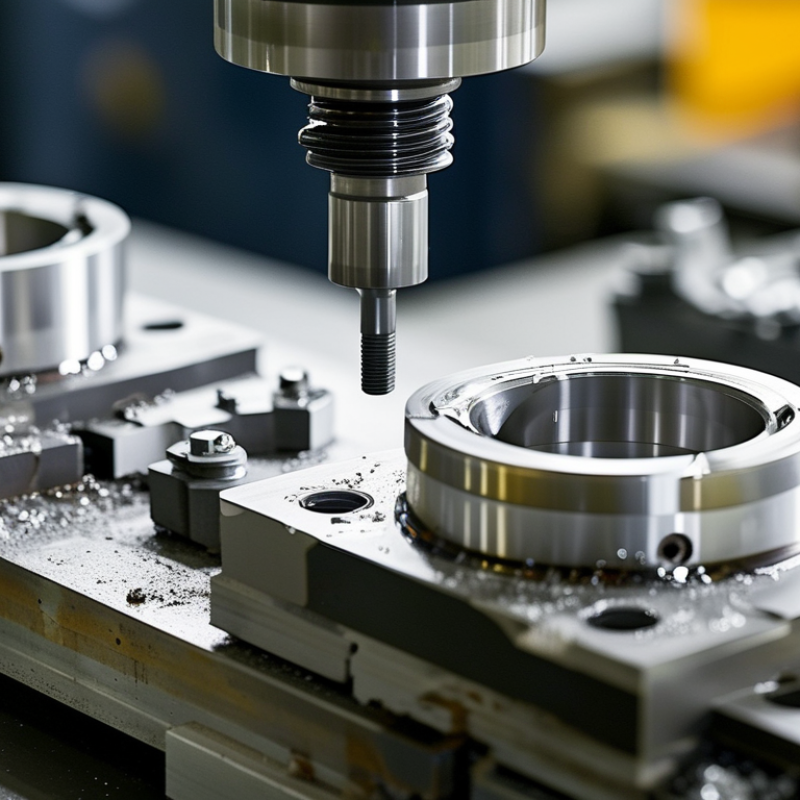
CNC parts are the working links between digital instructions and physical motion. They guide, support, position, and transfer force during machining. A small error in one part can appear as vibration, rough edges, or poor dimensional accuracy. The part is never “just a part.”
When selecting components, examine load, speed, heat, lubrication, and exposure to dust or coolant. Linear guides need suitable load capacity and smooth travel. Ball screws require correct lead, preload, and alignment. Spindles need enough torque for the material, not only a high maximum speed. Seals and protective covers also matter in dirty workshops. They often receive too little attention.
In practical maintenance work, I have seen machines perform poorly after an apparently minor replacement. The component matched the drawing, but its tolerance and surface finish were unsuitable. That mistake was expensive. Measure the mounting area, shaft diameter, hole spacing, and available travel before ordering. Check material certificates, inspection records, and test data from the supplier. Reliable documentation supports better decisions.
Compatibility matters more than attractive specifications. A hardened steel part may outlast a softer alternative, but it can still fail with poor alignment. I also question catalog ratings because real loads include shock, heat, and contamination. Laboratory figures do not always match a crowded factory floor. Choose parts that fit the machine, the process, and the maintenance habits of the people using it.
How to Choose the Right Machinery CNC Parts?
Understanding the Role of CNC Parts in Machinery
Material strength is an important factor when selecting CNC parts for machinery. Higher-strength materials are generally better suited to highly loaded shafts, gears, fixtures, and structural components, while lighter materials can reduce moving mass. The values shown are representative typical ultimate tensile strengths and may vary according to grade, heat treatment, and manufacturing condition.
Identifying Material, Precision, and Performance Requirements
Choosing CNC parts starts with the material, not the catalog photograph. Aluminum cuts quickly, but steel handles greater load and heat. Stainless alloys resist corrosion, yet they can distort if cutting heat is poorly controlled. For sliding assemblies, compare hardness, wear resistance, and lubrication needs. A part used near coolant may need different protection than one inside a dry enclosure. Ask for the material certificate and verify its grade against the drawing. Small mismatches become expensive failures.
Precision requirements should be tied to function. A bearing seat may need tight diameter control, while a cover plate may tolerate broader dimensions. Check tolerances, surface roughness, concentricity, and flatness separately. They are not interchangeable. On a measurement report, look for actual readings, not only a pass statement. In practice, I have seen a part meet size tolerance but fail assembly because burrs were ignored. That detail is easy to miss. It still matters.
Performance also depends on geometry, load cycles, temperature, and installation. Ask how the part will be machined, inspected, and tested. Request sample data from comparable production, while remembering that one sample proves little. A 0.01 mm tolerance may sound impressive, but it is useless if the machine cannot hold it repeatedly. Specify critical features, inspection methods, and acceptance ranges in plain language. Leave room for review. Real projects change, and an overly rigid specification can create waste. I still question whether every requested tolerance serves the machine.
Comparing CNC Part Types, Specifications, and Compatibility
Choosing the right machinery CNC part starts with comparing part types, not just dimensions. Rotating components, mounting plates, shafts, and precision brackets each face different stresses. A shaft may need tight concentricity, while a mounting plate may depend more on flatness and hole spacing. Treating them alike creates avoidable failures.
Check the specifications against the machine’s working conditions. Confirm material grade, hardness, surface finish, tolerance, thread type, and allowable load. A part exposed to coolant may require corrosion resistance. A component near a spindle needs balanced geometry and reliable vibration control. Measure the mating part, including hole diameter, keyway size, and clearance. Small errors matter.
Compatibility is more than “it fits.” Verify the interface, operating temperature, lubrication method, and maintenance access. In practical inspections, a part can match the drawing yet fail because its shoulder is too short. I once overlooked access for a fastening tool. The installation fit, but servicing became awkward. That mistake changed how I review specifications. I now compare drawings with the actual assembly and request a sample measurement when uncertainty remains. Standardized dimensions help, but they do not replace verification. Ask for inspection records, material certificates, and tolerance reports before approving a critical part. Credible documentation supports better decisions, although paperwork alone cannot reveal every installation problem.