How to Choose the Right Grounding Equipment Box for Your Needs?
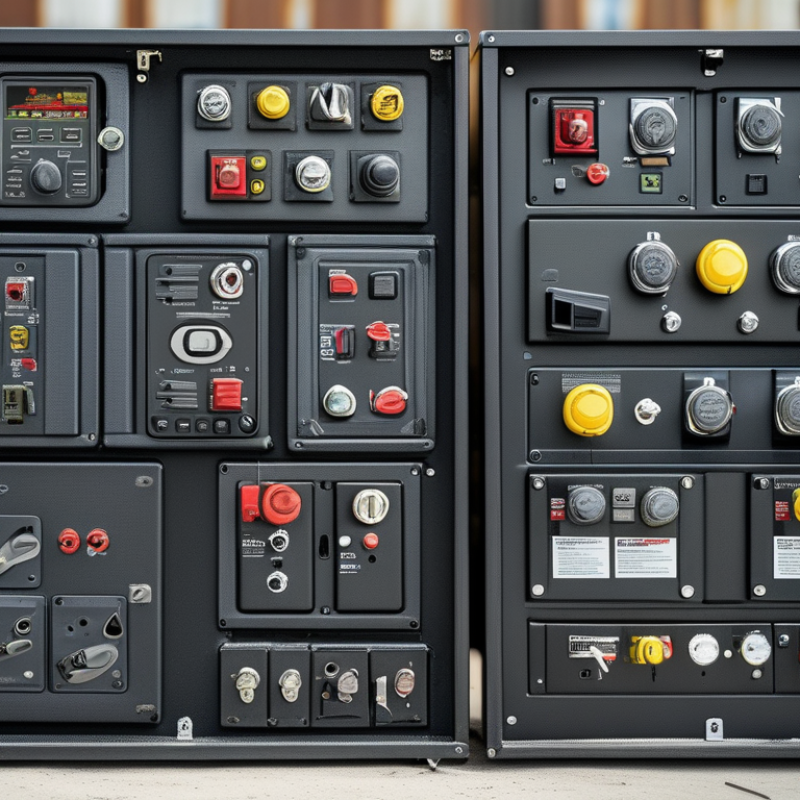
Choosing the right grounding equipment box is crucial for safety and efficiency. Many factors influence your decision. The right box protects electrical systems and enhances performance.
Grounding equipment boxes come in various sizes and materials. Understanding your specific needs is essential. You may need a box that suits harsh environments or one that's compact for small spaces.
Think about installation requirements too. Some models might be harder to install than others. Research different brands for reliability. Consider local standards and regulations. A good grounding equipment box should meet all safety criteria while being user-friendly.
Understanding Grounding Equipment Boxes and Their Importance
Grounding equipment boxes play a critical role in electrical safety and system performance. Understanding how they work helps ensure proper installation. These boxes are designed to house grounding connections and manage grounding conductors. This reduces the risk of electrical faults and safety hazards. Without proper grounding, your entire electrical system is at risk of failure.
Choosing the right box can be daunting. Factors like size, material, and environmental conditions matter. A durable, weather-resistant box is vital for outdoor applications. The right choice improves reliability. However, not all installations are foolproof. Mistakes during setup can lead to grounding issues. Regular inspections are essential to ensure a safe and functional system.
In addition, consider the local regulations. Compliance is not just about safety; it affects system efficiency as well. Sometimes, the simplest solutions are overlooked. It's worth revisiting your choices and methodologies. Grounding is foundational, and even minor flaws can have significant consequences. Prioritize getting it right; your equipment and safety depend on it.
Grounding Equipment Box Ratings by Type
This chart illustrates the performance ratings of different types of grounding equipment boxes. Each type is rated on a scale from 0 to 100, demonstrating their reliability and effectiveness in grounding operations.
Key Features to Consider When Choosing a Grounding Equipment Box
When selecting the right grounding equipment box, several key features deserve your attention. Begin with material quality. A robust outer casing, such as galvanized steel or high-grade plastic, ensures durability. This is essential, especially in outdoor environments where weather can be unpredictable. Check for corrosion resistance. Corroded boxes can compromise performance and safety over time.
Next, review the box's size and capacity. It should accommodate your current grounding needs and allow for future expansion. A box too small can create issues. Adequate space is crucial to prevent overcrowding of wiring. Additionally, consider the box's ease of installation. Some models offer user-friendly designs that simplify the setup process, making it easier for professionals and DIYers alike.
Pay attention to the number of grounding points available. More points can enhance safety by distributing electrical currents more evenly. However, too much complexity can lead to confusion and mismanagement. Similarly, check for any additional features, like surge protection or built-in indicators. These can add value but could also make the system unnecessarily complicated. Finding balance is essential in making the right choice.
Types of Grounding Equipment Boxes and Their Appropriate Applications
When selecting a grounding equipment box, understanding the types available is crucial. There are typically three main types: portable, permanent, and unitized. Portable grounding boxes are highly versatile. They are ideal for temporary work sites and can easily move between locations. Data suggest that robust grounding can reduce electrical faults by up to 50%.
Permanent grounding equipment boxes, on the other hand, are suited for fixed installations. These are often used in industrial settings where safety is paramount. They provide a continuous grounding solution and can handle heavy electrical loads. Statistics show that up to 70% of electrical accidents in industrial environments are due to inadequate grounding.
Unitized grounding equipment boxes combine features of both. They are designed for specific applications, ensuring that the grounding is efficient and compliant with safety standards. Proper selection is vital, as incorrect options can lead to equipment failure or increased safety risks. A recent report highlighted that organizations often overlook these details, underlining the need for informed choices.
Evaluating Size and Capacity for Your Specific Grounding Needs
When selecting grounding equipment boxes, size and capacity are crucial. Understanding your specific grounding needs can impact safety and functionality. A report from the National Electrical Manufacturers Association (NEMA) indicates that improper sizing can lead to equipment failure. Choosing a box too small for your application may cause overheating and damage. Conversely, an oversized box may not provide adequate performance.
Consider the dimensions of your equipment and the maximum load it will handle. For example, a typical grounding box should accommodate the maximum anticipated fault current. A study by the Institute of Electrical and Electronics Engineers (IEEE) highlights that grounding systems with insufficient capacity can expose facilities to risks.
Tips: Measure your equipment space accurately. Assess the maximum load requirements in advance. Remember, redundancy in grounding capacity is often beneficial for critical applications. Effective grounding ensures not just compliance, but also enhances the reliability of electrical systems. Always question if your current setup meets the demands of evolving technologies. Remember, grounding isn't static; ongoing evaluation is key for safety.
How to Choose the Right Grounding Equipment Box for Your Needs? - Evaluating Size and Capacity for Your Specific Grounding Needs
| Model | Size (inches) | Capacity (A) | Material | Outdoor Rated |
| Model A | 12 x 12 | 100 | Aluminum | Yes |
| Model B | 16 x 16 | 150 | Steel | No |
| Model C | 10 x 10 | 50 | Plastic | Yes |
| Model D | 14 x 14 | 200 | Fiberglass | Yes |
Cost Considerations and Budgeting for Your Grounding Equipment Box
When budgeting for a grounding equipment box, understanding costs is crucial. The price can vary significantly based on the box's type and features. Basic models may start around $50, while more advanced options can exceed $300. According to industry reports, the average cost sits between $100 and $200. This price range ensures you get reliable equipment without overspending.
Consider installation expenses as well. Hiring a professional can add another $100 to $500, depending on complexity. A DIY approach may save money but requires careful planning. Errors in grounding can lead to dangerous situations or equipment failure. Upfront costs might feel high, but neglecting proper grounding can lead to higher expenses later.
Additional factors affect the total budget. Shipping costs, maintenance fees, and longevity of the equipment must be evaluated. Investing in higher-quality equipment often results in lower long-term costs. An inferior box may fail sooner, requiring replacements. Evaluate both short-term and long-term impacts to make an informed decision.