How to Choose the Best Manufacturing Solutions for Your Business?
Choosing the right manufacturing solutions for your business is crucial. John Smith, an expert in the manufacturing industry, states, "The best solutions are those that fit your unique needs." This emphasizes the importance of tailoring your choice.
Many businesses struggle with this process. They often go for the latest technology without understanding their specific requirements. This can lead to wasted resources and inefficiencies. It’s essential to evaluate what your production goals are and how specific manufacturing solutions can meet them.
Considering factors like scalability and ease of integration is important. Some companies may overlook these aspects and face challenges later. Reflecting on your options carefully can save time and money in the long run. Ultimately, the right manufacturing solutions should enhance productivity and drive growth, not complicate operations.
Identifying Your Business Needs in Manufacturing Solutions
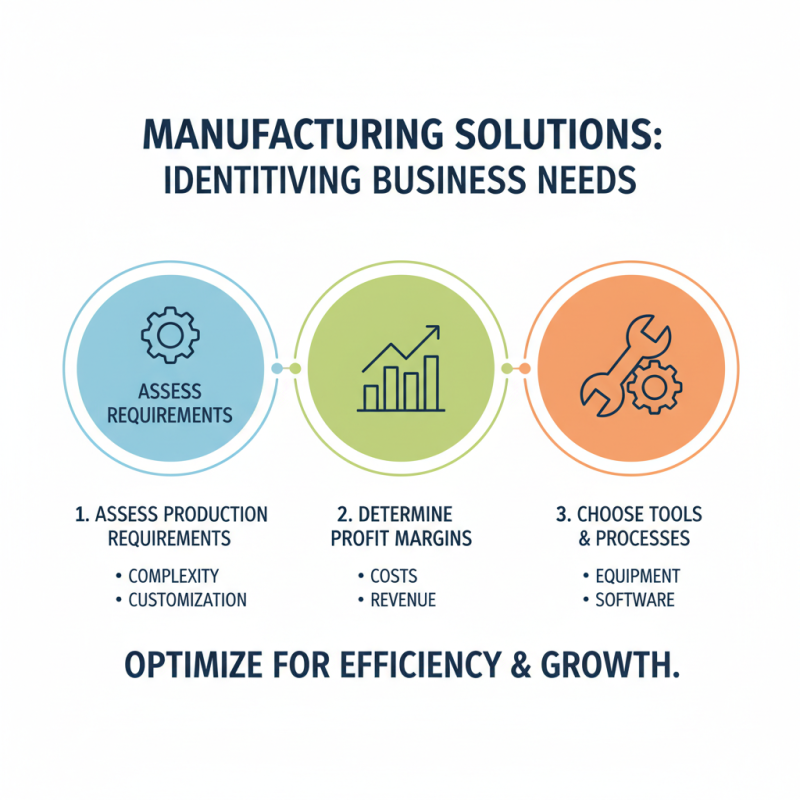
Identifying your business needs in manufacturing solutions is crucial. Start by assessing your production requirements. Consider factors like volume, complexity, and customization. What are your key profit margins? Understanding these elements helps you choose the right tools and processes.
Next, examine your workforce capabilities. Do you have skilled labor? Are they trained in specific technologies? Sometimes it’s practical to seek solutions that enhance your team's skills. Analyze current workflows to find bottlenecks. Many businesses overlook small inefficiencies that add up over time.
Lastly, reflect on future growth. Your solutions should not only meet current demands but also accommodate expansion. Will your chosen system adapt? It’s a challenge to foresee changes, but planning ahead is vital. Prioritize flexibility in your manufacturing solutions for sustainable success.
Evaluating Different Types of Manufacturing Technologies
When evaluating different types of manufacturing technologies, understanding your specific needs is crucial. Each industry has unique requirements. For instance, a small batch manufacturer may benefit from flexible systems. These systems adapt quickly to changing orders and reduce downtime. In contrast, high-volume producers may prioritize efficiency and automation.
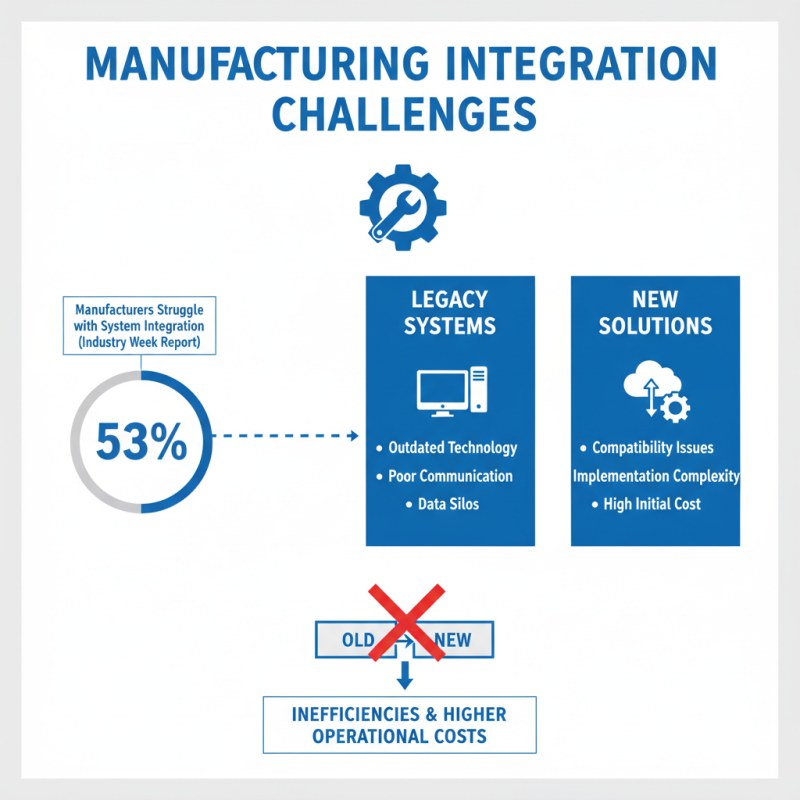
Consider the scalability of the technology. Will it grow with your business? Some solutions may initially seem perfect but can become a burden as demands increase. A single technology may not fit all aspects of your operation. You might need to assess various options. Data integration is another area that needs attention. Effective systems should streamline data flow. Information silos can lead to inefficiencies and errors. Rethinking how data is managed might lead to better decision-making.
Evaluate the user interface and training requirements. Complex systems can intimidate employees. A technology that seems advanced might not be user-friendly. Involving your team in the selection process can provide insights. They often know the challenges faced daily. Gathering feedback can highlight potential issues before implementation. Choosing technology is not just about specs; it's about people too.
Comparing Costs and ROI of Manufacturing Solutions
When choosing manufacturing solutions, understanding costs and return on investment (ROI) is crucial. Manufacturing techniques can vary widely in price. Some solutions require significant upfront investment, while others might focus on a pay-per-use model. Analyzing these options helps clarify short-term and long-term financial impacts.
Consider a scenario where a company invests in automation. Initial costs can be high. However, increased efficiency might result in lower labor costs over time. It's essential to calculate the break-even point. This helps gauge how soon your investment can yield profits.
ROI isn't just about money. It's also about time and resource savings. Delays in production can lead to lost revenue. When evaluating solutions, factor in potential downtime. A poorly chosen method may hamper productivity. Reflect on how your current processes affect overall effectiveness. Choose wisely to enhance your business efficiency.
Comparing Costs and ROI of Manufacturing Solutions
Assessing Vendor Reputation and Support Services
Evaluating vendor reputation is crucial when selecting manufacturing solutions. Start by researching online reviews. Feedback from previous clients offers insights into reliability. Look for patterns in the comments. Are there recurring praises or complaints? This can indicate potential strengths and weaknesses. Reliable vendors often have a strong online presence and positive engagement.
Support services are another vital aspect. Effective communication can make a big difference. Check if the vendor provides prompt assistance during issues. A slow response can lead to significant disruptions. Ask about support hours and channels. Some vendors may offer limited availability. This could hinder your operations.
Visiting facilities can provide more clarity. Seeing how a vendor operates helps gauge their capabilities. Observe their processes and culture. This firsthand experience may reveal areas where they excel or fall short. Trust your instincts when assessing their environment. Sometimes, gut feelings signal reservations that research may overlook.