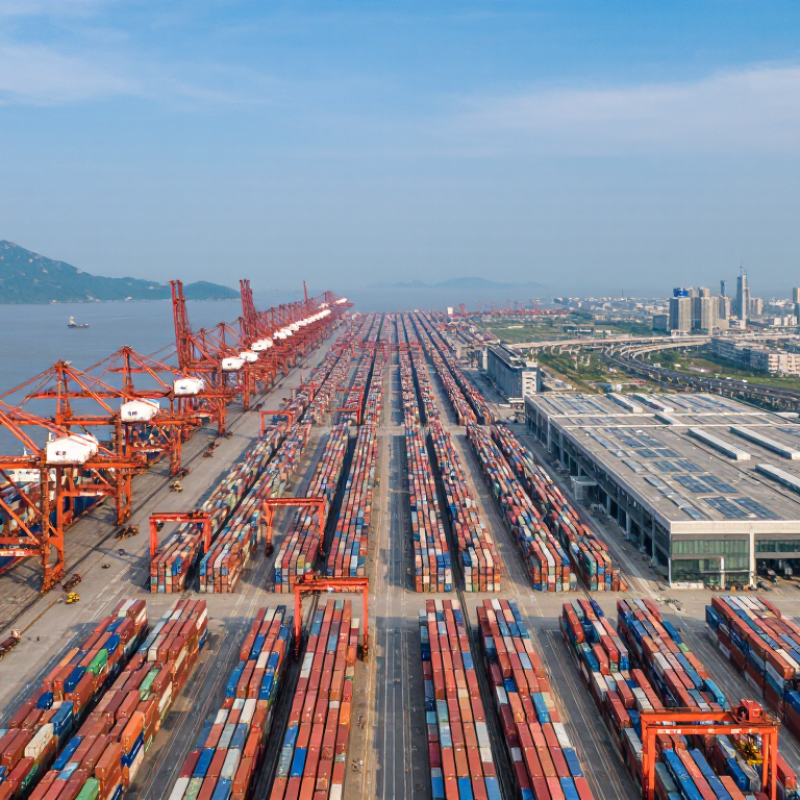
China’s integrated supply chain industry is moving from low-cost coordination toward resilient, data-led operations. The shift is visible in factories, warehouses, ports, and regional delivery hubs. Companies now connect purchasing, production, inventory, transport, and returns through shared digital platforms. This enables faster decisions when demand changes suddenly.
Artificial intelligence helps forecast orders, detect unusual stock movements, and adjust delivery routes. Internet-connected sensors monitor temperature, vibration, and equipment use during storage and transport. Yet automation is not enough. Experienced planners still question incomplete data, especially when suppliers report delays late. Some firms are testing digital twins to model capacity before expanding facilities. The results can help, but models sometimes appear more accurate than reality.
Another major trend is supply chain localization. Manufacturers are building closer supplier networks across inland and coastal regions, reducing dependence on one production cluster. Low-carbon logistics is gaining attention as well. Electric delivery fleets, shared warehouses, route consolidation, and recyclable packaging can reduce emissions and operating waste. Compliance teams increasingly track energy use and supplier standards with auditable records. Trust matters.
Small suppliers remain a difficult gap. Many lack compatible software, trained analysts, or funding for rapid upgrades. Integrated networks may therefore become uneven, despite impressive dashboards. Industry leaders are responding with shared data standards, supplier training, and gradual investment. The transition is practical, but not perfectly smooth.