2026 Best Lotion Pump Options for Global Buyers to Consider?
As the demand for packaging solutions continues to grow, the Lotion Pump industry is evolving rapidly. According to a recent market report by Grand View Research, the global lotion pump market is expected to reach $1.5 billion by 2025, indicating strong growth potential. Experts believe that this increase is largely driven by consumer preferences for convenient and efficient packaging. Dr. Emma Steele, a leading expert in cosmetic packaging, stated, “Lotion pumps not only enhance user experience but also contribute to reducing product waste.”
The need for effective lotion pumps is more critical than ever. Many consumers look for reliable and eco-friendly options. However, not all lotion pumps meet the high standards demanded by today's buyers. Some products lack durability, causing issues during use. Industry analysts highlight this inconsistency as a concern for manufacturers and brands aiming to maintain consumer trust.
Navigating the best lotion pump options requires a keen understanding of both consumer needs and market trends. Buyers should engage with suppliers who prioritize quality and sustainability. Finding the right lotion pump means considering various factors, from material quality to design efficiency. Challenges persist in aligning product offerings with consumer expectations, making careful selection imperative for global buyers.
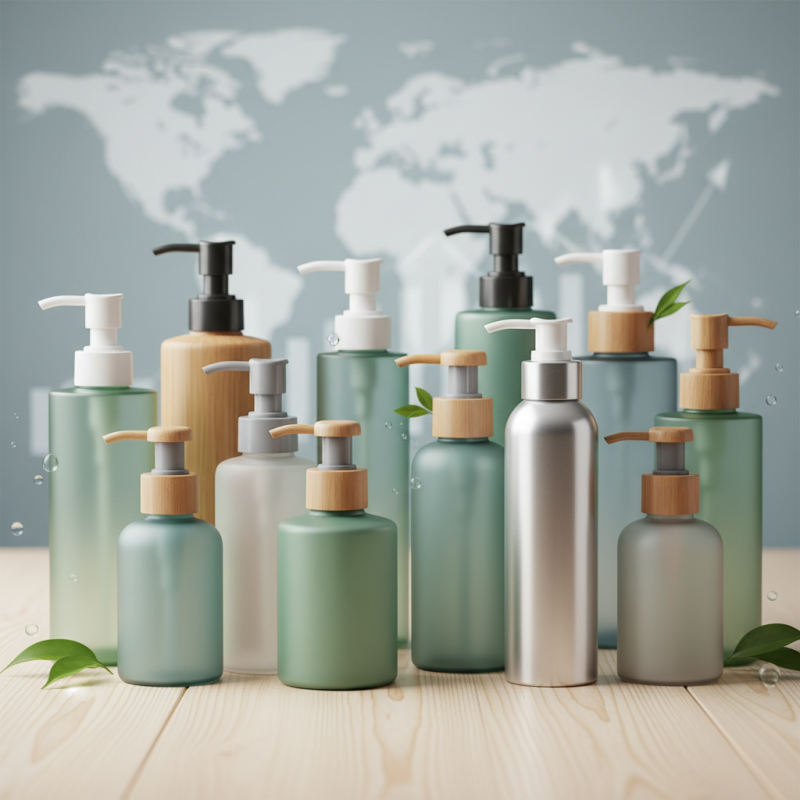
2026 Global Trends in Lotion Pump Design and Technology Innovation
As we approach 2026, the lotion pump industry is witnessing significant transformations. Designers are focusing on sustainability, aiming to reduce plastic use. Innovation in materials is a key area. Biodegradable and recyclable options are becoming more common. These choices cater to eco-conscious consumers.
Additionally, ergonomic design is gaining traction. Lotion pumps are now easier to use, with user-friendly mechanisms. This trend ensures convenience without sacrificing style. However, many products still face challenges in durability and functionality. Some designs look appealing but may not perform as expected. The balance between aesthetics and practicality is crucial.
Technological advancements are also shaping this market. Smart lotion pumps are emerging, incorporating features like dosage control and touchless operation. These innovations improve hygiene and reduce waste. Yet, implementing such technology raises questions about maintenance and user adaptability. The ongoing evolution in design and technology will redefine consumer expectations in the coming years.
Key Features to Consider When Choosing Lotion Pumps for Your Product
When selecting lotion pumps for your products, several key features play a significant role. The type of pump is crucial. For instance, a lotion pump typically dispenses more product than a regular pump. According to industry reports, nearly 70% of buyers prefer pumps that have a locking mechanism to prevent spillage. This feature enhances usability and makes the product more appealing on shelves.
The design and material of the pump also matter. Pumps made from high-quality plastic or stainless steel often have a longer lifespan. Recent data shows that pumps with ergonomic designs can boost customer satisfaction by over 30%. Customers appreciate a comfortable grip, which encourages repeat purchases.
Tips: Always consider pump compatibility with your lotion’s viscosity. Testing is essential. The wrong pump can lead to product wastage and dissatisfied customers. Additionally, think about customization options. Tailoring pumps to match your brand’s aesthetics can also enhance shelf impact. Consistency in design not only fosters brand identity but also boosts trust among consumers.
The Impact of Material Selection on Lotion Pump Performance and Durability
When choosing lotion pumps, material selection plays a crucial role in their performance. Common materials include plastic, metal, and glass. Plastic pumps are lightweight and cost-effective. However, they may not provide the same durability as their metal or glass counterparts. Metal pumps often resist corrosion and last longer, but they may add weight and cost.
Another important factor is the compatibility of the material with the lotion. Certain lotions can react with specific plastics, leading to degradation. Testing compatibility with your product is essential. For instance, a lotion with high oil content might require a more robust pump design. It’s surprising how many buyers overlook this detail, which can lead to subpar performance.
Additionally, aesthetic considerations should not overshadow functionality. While a sleek design is appealing, it must also ensure that the lotion dispenses smoothly. Many pumps fail to meet user expectations due to poor design choices. Analyzing real user experiences can offer valuable insights. Improving the lotion-pump relationship requires feedback and experimentation. This process is ongoing and filled with learning opportunities.
2026 Best Lotion Pump Options: Material Selection Impact on Performance
This chart illustrates the durability ratings of different lotion pump materials commonly selected by global buyers for 2026. As can be seen, metal pumps offer the highest durability, followed by glass and plastic, while silicone ranks lower in this aspect.
Sustainability Practices in Lotion Pump Manufacturing and Market Demand
Sustainability in lotion pump manufacturing is becoming increasingly important. As consumers become more environmentally conscious, the demand for sustainable products grows. Manufacturers are now looking at ways to reduce waste and utilize eco-friendly materials. This shift is essential in a market that is under pressure to minimize its carbon footprint.
The production of lotion pumps often involves plastic, which raises concerns over pollution and resource depletion. Implementing practices like bio-based materials and recyclable designs can help address these issues. However, challenges remain. The cost of sustainable materials can be higher, affecting pricing strategies. Not every manufacturer is equipped to make this transition smoothly.
Moreover, educating consumers about the benefits of sustainable lotion pumps is critical. Many still prefer traditional options without considering the environmental impact. Companies need to improve transparency and build trust through certifications and clear information. As practices evolve, continuous reflection on manufacturing processes will be essential to meet both market demand and sustainability goals.
Market Analysis: Leading Lotion Pump Suppliers and Regional Preferences
When it comes to choosing lotion pumps, understanding market dynamics is crucial. The global landscape reveals diverse preferences across different regions. In North America, users often prioritize durability and ease of use. This demand shapes the designs and features that suppliers focus on. In contrast, European buyers may lean towards eco-friendly materials. Their interest shows a growing trend towards sustainability.
In Asia, customization plays a significant role. Manufacturers often adapt to local aesthetics and functionalities. This ensures products resonate with cultural preferences. However, it can complicate the supply chain, leading to delays. Buyers should be aware of these factors when making decisions. Complications can arise from miscommunication about standards and expectations.
Market analysis shows that suppliers must be aware of these regional variations. It requires a nuanced understanding of consumer behavior. Proficiency in adapting to these preferences could mean the difference between success and failure. A one-size-fits-all approach is unrealistic in this diverse market. Each region's specific needs require careful consideration. By analyzing these factors, buyers can make informed choices in their lotion pump selection.