Top 10 Benefits of Using Splined Motor Shafts for Industries?
In today's fast-paced industrial landscape, the importance of efficient and reliable components cannot be overstated. Splined Motor Shafts have emerged as a crucial element that enhances performance across various sectors. John Smith, a leading expert in mechanical engineering, once stated, "The precision and durability of splined motor shafts can significantly improve machinery efficiency."
These components connect motors to driven equipment seamlessly. Their design allows for accurate torque transfer, minimizing slippage that often leads to failures. Industries such as automotive, aerospace, and manufacturing have greatly benefited from adopting splined motor shafts. These shafts are engineered to withstand high stress and provide longevity, resulting in reduced maintenance costs and downtime.
However, it’s essential to acknowledge that not all applications may require the advanced features of splined motor shafts. A thorough analysis of each specific use case is necessary. This underscores the need for careful consideration when selecting components to ensure optimal performance and cost-effectiveness. Overall, the advantages of splined motor shafts cannot be ignored, as they play a vital role in driving efficiency and reliability in modern industries.
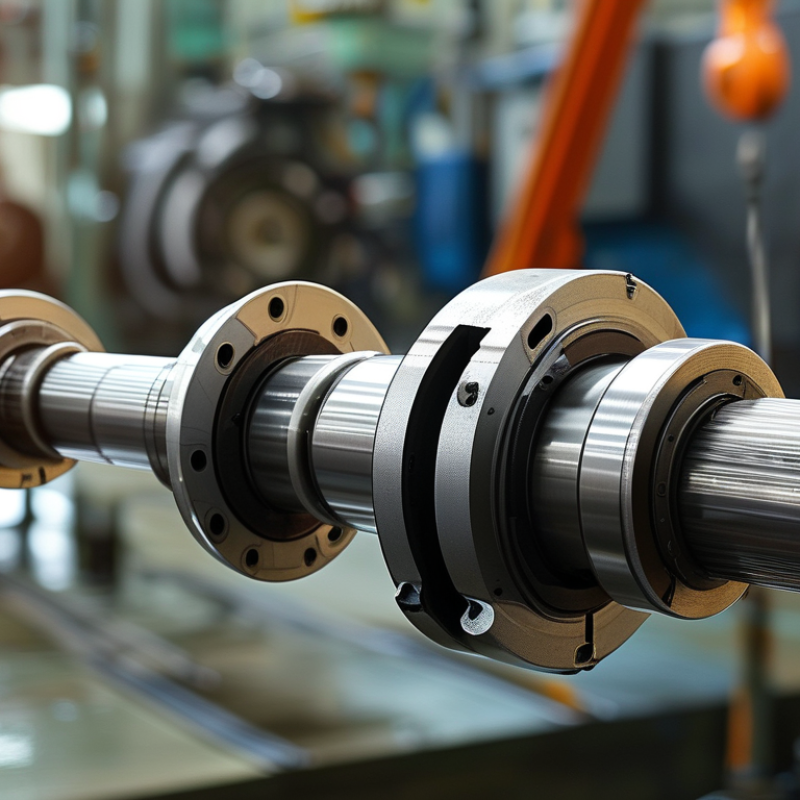
Understanding Splined Motor Shafts and Their Design
Splined motor shafts are crucial in various industrial applications. Their design features grooves or splines that improve torque transfer between components. This design allows for greater power transmission efficiency, reducing slippage compared to traditional round shafts. According to a report by the Industrial Research Institute, splined shafts can increase torque capacity by 30% when designed correctly.
One notable aspect of splined motor shafts is their versatility. They are utilized in many fields, from automotive to manufacturing. The precise alignment of the splines allows for smoother operation, which directly contributes to longevity. The Society of Manufacturing Engineers notes that well-designed splined connections can double the lifespan of connected machinery under heavy loads. However, precise manufacturing is essential. Any deviation may lead to premature wear, prompting engineers to focus on stringent quality controls.
Another critical consideration is the maintenance of splined shafts. Users must regularly inspect these components for wear and damage. Failure to do so can result in system malfunctions, leading to costly downtimes. Implementing predictive maintenance strategies can enhance reliability. According to the American Society of Mechanical Engineers, even minor wear can significantly reduce overall efficiency if not addressed promptly.
Enhanced Torque Transmission: How Splined Shafts Excel
Splined motor shafts are gaining attention for their superior torque transmission capabilities. Traditionally, gear systems and other forms of power transfer faced challenges with slippage and inefficiency. According to a report from the Journal of Mechanical Engineering, splined shafts can enhance torque transmission by up to 30%. This is mainly due to the larger surface area that engages between the shaft and the mating component, allowing better grip and power transfer.
The design of splined shafts minimizes the likelihood of failure under heavy loads. In applications ranging from manufacturing to automotive, relying on effective torque transmission is critical. Static and dynamic load capacities improve significantly. An Engineering Research report indicates that industries employing splined shafts experience a 25% reduction in maintenance costs. Enhanced durability translates to prolonged machinery life and reduced downtime.
However, adopting splined motor shafts isn't without challenges. Precision in machining is crucial. Even a small deviation in dimensions can lead to inefficiencies. Some engineers also note that initial manufacturing costs might rise. The investment in advanced manufacturing technologies is essential. This can be seen as a trade-off for achieving long-term benefits in torque transmission and operational reliability.
Reduced Wear and Tear: The Durability of Splined Motor Shafts
Splined motor shafts are increasingly valued for their durability. Industries rely on these shafts to reduce wear and tear in machinery. According to recent data, using splined shafts can extend component lifespan by up to 40%. This can significantly lower maintenance costs.
Durability is key. The design of splined shafts allows for better torque transfer and load distribution. This feature minimizes stress concentrations, reducing the risk of failure. Reports indicate that mechanical failures can lead to production downtimes costing companies thousands per hour. Thus, splined motor shafts contribute to consistent operations.
One challenge remains: the initial cost can be higher than traditional options. However, the long-term savings often make them a worthwhile investment. Users must balance upfront expenses with potential longevity. This reflection is crucial when evaluating options for different applications in an industrial setting.
Improved Customization and Flexibility in Industrial Applications
Splined motor shafts are rapidly gaining popularity in various industrial applications. One significant advantage is the enhanced customization they offer. Industries are increasingly seeking solutions that can be tailored to fit unique requirements. According to a report by Allied Market Research, the global demand for customized mechanical components has surged by 30% over the last five years. This trend emphasizes the importance of flexibility in production.
Flexibility in design enables manufacturers to create systems that adapt as needs evolve. The modular nature of splined shafts allows for easy integration with different machinery. This adaptability reduces downtime during equipment changes. A study from the Society of Manufacturing Engineers shows that companies utilizing flexible systems experience a 25% increase in efficiency. Yet, it’s crucial to note that adopting such systems can lead to complexities in maintenance and initial setup. Industries must weigh these challenges against the potential improvements.
Additionally, splined motor shafts can be optimized for specific torque and load requirements, enabling energy savings. However, their precision manufacturing can sometimes result in higher upfront costs. As industries push for more flexibility, it’s essential to continuously evaluate both the benefits and limitations. Balancing customization with practicality remains an ongoing consideration for many manufacturers.
Top 10 Benefits of Using Splined Motor Shafts for Industries
| Benefit | Description |
| Improved Customization | Splined motor shafts allow for various configurations and dimensions, enabling tailored solutions for specific applications. |
| Enhanced Power Transmission | They provide more contact surface area, improving torque transfer and reducing the risk of slippage. |
| Flexibility in Design | The use of splined shafts supports various designs and can integrate with different gears and couplings easily. |
| Durability and Strength | Made from robust materials, splined shafts can withstand high loads and harsh operating conditions. |
| Reduced Wear and Tear | They minimize friction and wear compared to other shaft types due to their design, promoting longer service life. |
| Easy Maintenance | Splined connections facilitate quick disassembly for repairs and service, reducing downtime. |
| Versatile Applications | Ideal for various industries including automotive, aerospace, and machinery, suiting diverse requirements. |
| Cost Efficiency | While initial costs may vary, the long-term savings from reduced maintenance and enhanced performance offer economic advantages. |
| Improved Load Distribution | Splined design allows even distribution of load, decreasing stress concentrations and extending the life of the shaft. |
| Safety Enhancements | Reduced failure rates and better integration in machinery contribute to safer industrial environments. |
Cost-Effectiveness: Long-Term Benefits of Using Splined Shafts
The use of splined motor shafts offers significant cost-effectiveness for industries. According to a recent industry report, companies that switched to splined shafts saw a reduction of up to 30% in maintenance costs. The design of splined shafts allows for more efficient power transfer, which can reduce energy consumption. Lower energy costs contribute to long-term savings, making splined shafts an attractive option for many manufacturing processes.
Durability is another substantial benefit. A study by the Engineering Society highlighted that splined shafts have a lifespan of at least 25% longer than traditional alternatives. This longevity reduces the frequency of replacements, which can be a financial burden for businesses. However, not all applications suit splined shafts. Evaluating the specific needs of each project is essential. Ignoring compatibility could lead to premature failures, which would negate the cost benefits. Thus, industry professionals must weigh the upfront investment against potential long-term gains carefully. This reflection ensures that the decision aligns with overall operational goals.