| Minimized Surgery Time | Reduces overall surgical duration compared to traditional methods. | Leads to quicker recovery and less anesthesia exposure. |
| Lower Infection Rates | Reduces the risk of post-surgical infections due to minimal incision sizes. | Shortens hospital stays and speeds up healing. |
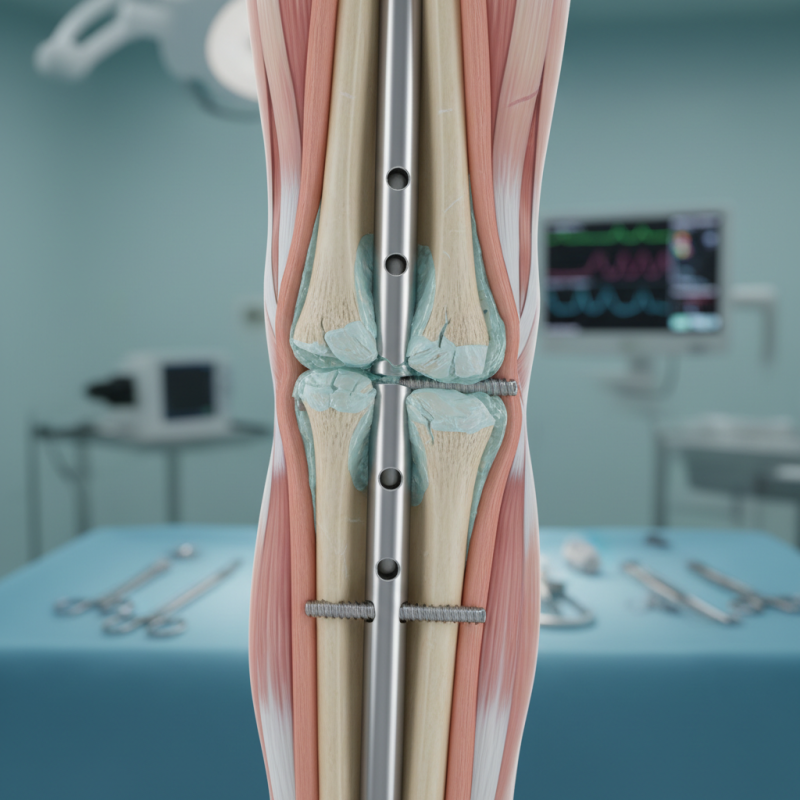
| Improved Stabilization | Provides enhanced internal support for fractured bones. | Accelerates the recovery process. |
| Cost-effective | Reduces overall treatment costs through decreased hospital days. | Economic benefits for patients and healthcare systems. |
| Reduced Rehabilitation Requirements | Requires less intensive post-operative rehabilitation. | Allows patients to return to normal activities faster. |
| Facilitates Early Mobilization | Allows patients to start moving sooner post-surgery. | Enhances blood circulation and promotes faster healing. |
| Greater Patient Comfort | Minimally invasive technique often results in less pain. | Improves overall recovery experience for the patient. |
| Flexible Surgical Approach | Can be tailored depending on individual patient conditions. | Optimizes the recovery path for each patient. |
| Enhanced Outcomes | Empirical studies have shown superior healing rates in patients. | Promotes long-term health and mobility. |
| Patient-Specific Device Options | Customizable nails tailored to individual anatomy. | Provides better alignment and stabilization. |