| Space Saving | Stand up pouches take up less space compared to rigid packaging. | Lighter and more compact, reducing transportation emissions. | Lower shipping costs due to reduced size and weight. |
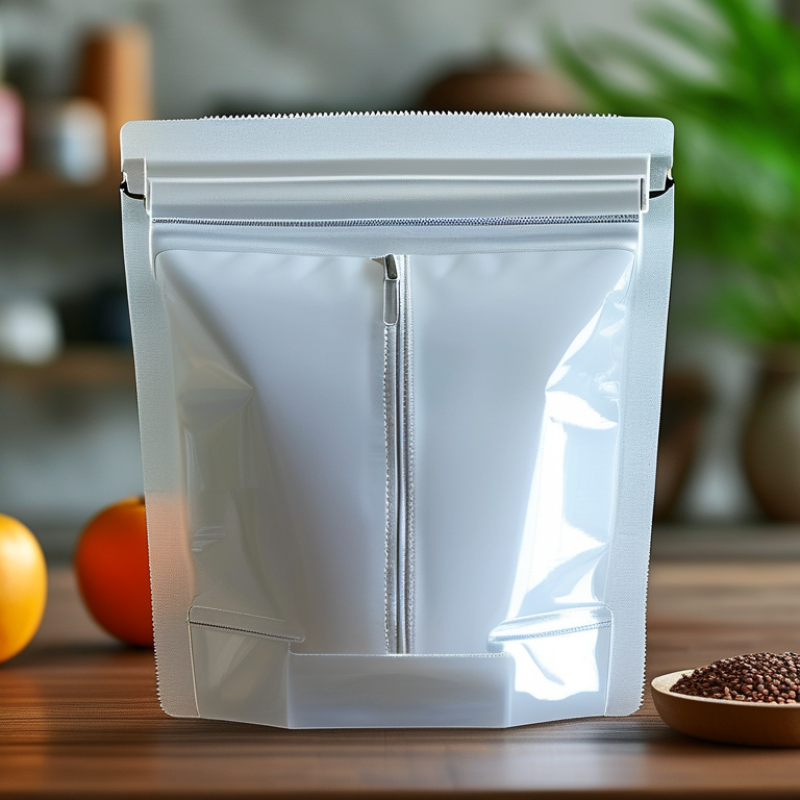
| Reclosure Feature | Zipper allows for multiple uses without compromising quality. | Encourages reuse, minimizing waste generation. | Increased product longevity reduces replacement need. |
| Versatility | Suitable for various products, from food to non-food items. | Materials can be selected for recyclable options. | Inventory flexibility keeps costs down. |
| Customizable Design | Easy to print designs that enhance brand visibility. | Use of eco-friendly inks can lessen environmental impact. | Attractive packaging can reduce marketing expenses. |
| Barrier Protection | Excellent protection against moisture, oxygen, and light. | Longer shelf life reduces food waste. | Minimizes loss of product quality leading to reduced costs. |
| Lightweight | Significantly lighter than glass or rigid containers. | Reduces energy used in production and transport. | Lower shipping expenses due to lighter weight. |
| User-Friendly | Easy to open and reseal, making them convenient. | Encourages consumers to choose sustainable options. | Greater consumer satisfaction can boost sales. |
| Cost Reduction | Lower production costs compared to glass or metal. | Use of recyclable materials can reduce overall waste costs. | Decreased packaging costs contribute to overall savings. |
| Environmental Impact | Made from recyclable materials reducing landfill contributions. | Supports recycling initiatives enhancing sustainability. | Potential to save on disposal fees over time. |
| Consumer Demand | Increasing preference for eco-friendly packaging options among consumers. | Responding to market demands for sustainability. | Enhanced sales opportunities by meeting consumer preferences. |