Top 10 Benefits of 6061 Aluminum Plate For Semiconductor Use?
The use of 6061 Aluminum Plate For Semiconductor applications has gained traction in recent years. This material is renowned for its excellent mechanical properties and versatility. In the semiconductor industry, precision and reliability are paramount. The 6061 aluminum plate meets these critical requirements effectively.
It showcases remarkable strength, making it suitable for various semiconductor components. Its lightweight nature contributes to improved energy efficiency in production processes. However, the surface finish of 6061 aluminum may require additional treatment for specific applications. This consideration is essential for achieving optimal performance in sensitive environments.
Furthermore, while 6061 aluminum is an impressive choice, it is not without its limitations. Understanding these nuances is important for manufacturers seeking the best outcomes. By exploring the top benefits of 6061 Aluminum Plate for Semiconductor use, industry professionals can make informed decisions. These insights will ultimately lead to better product quality and performance in the semiconductor sector.
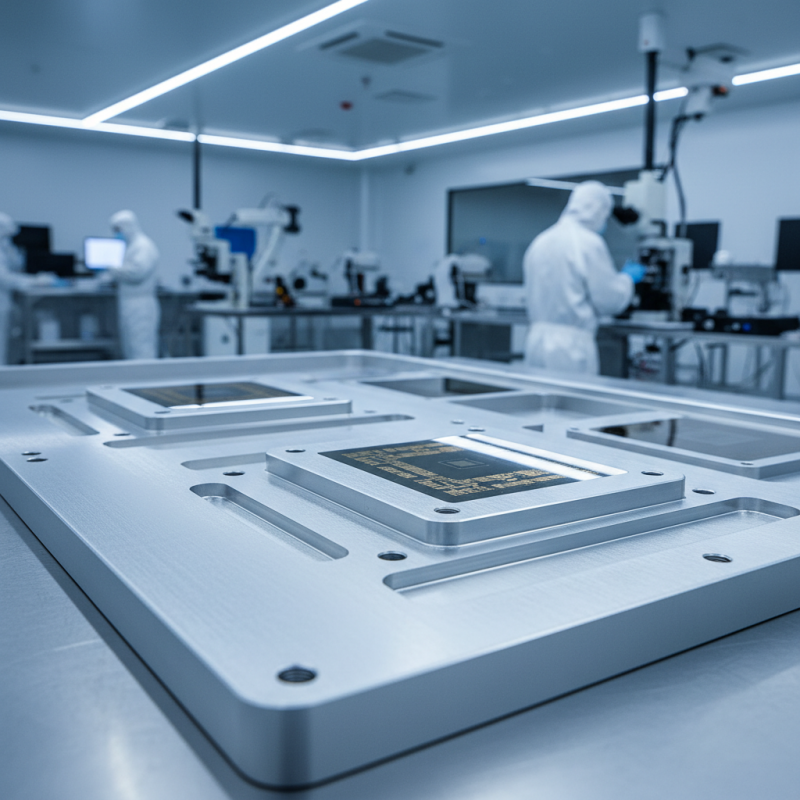
Benefits of 6061 Aluminum Plate in Semiconductor Applications
The use of 6061 aluminum plates in semiconductor applications offers multiple advantages. One key benefit is its excellent corrosion resistance. This property ensures the longevity of materials used in semiconductor manufacturing. It helps maintain high-quality standards, which is crucial in this precision-driven industry.
Another notable feature is the material's good machinability. It allows manufacturers to create intricate designs and components with reduced waste. This efficiency can lead to lower production costs in the long run. However, it's essential to ensure that the machining processes are optimized for aluminum to avoid any potential losses.
Tips: Always consider the thickness of the plate. Thicker plates offer better thermal performance for semiconductor devices. Additionally, regular inspections can help prevent issues during the manufacturing process. Being proactive can save both time and resources.
Another advantage of 6061 aluminum is its lightweight nature. This property can improve the overall efficiency of semiconductor equipment. Yet, lighter materials may not always provide the structural support needed in certain applications. Balancing weight and strength is vital for optimal performance.
Key Properties of 6061 Aluminum That Benefit Semiconductor Manufacturing
6061 aluminum is crucial in semiconductor manufacturing. Its unique properties provide a range of benefits. The alloy's excellent corrosion resistance ensures durability in various environments. According to a report from the Aluminium Association, this feature is vital for maintaining the integrity of semiconductor equipment.
Thermal conductivity is another key characteristic of 6061 aluminum. The thermal conductivity rate is approximately 170 W/m·K. This allows for efficient heat dissipation in electronic components. Overheating can cause malfunctions, making this property essential for reliable operation.
Machinability is also noteworthy. 6061 aluminum is easy to machine, allowing for precise fabrication of complex parts. This facilitates the production timeline, benefiting overall efficiency. Some manufacturers may overlook the importance of material choice. Yet, 6061 aluminum can significantly enhance productivity and reduce waste when employed correctly.
Top 10 Benefits of 6061 Aluminum Plate for Semiconductor Use
Comparative Analysis: 6061 Aluminum vs. Other Materials in Semiconductors
When comparing 6061 aluminum to other materials for semiconductor use, several factors stand out. 6061 aluminum offers a unique combination of strength, lightweight, and corrosion resistance. In contrast, materials like copper and steel are heavier and less versatile. For instance, copper has excellent thermal conductivity, but it is more prone to corrosion. This disadvantage can lead to performance issues in semiconductor applications.
Another crucial aspect is thermal management. 6061 aluminum provides better thermal expansion characteristics than some alternatives. This helps maintain stability in temperature-sensitive environments. However, it does not conduct heat as efficiently as copper. This can affect cooling systems in high-performance semiconductor devices. Feeling the trade-off is essential.
Cost is another consideration. 6061 aluminum plates are generally cheaper than specialized materials. Yet, their performance in demanding conditions may lack. Users must weigh pros and cons depending on their specific needs. Innovations in semiconductor technology will continue to challenge these material choices, prompting ongoing evaluations.
Cost-Effectiveness of Utilizing 6061 Aluminum in Semiconductor Production
6061 aluminum plate offers notable cost-effectiveness in semiconductor production. This material balances price and performance. Its versatility can lead to reduced manufacturing costs, which is essential in a competitive market. Smaller production runs may benefit even more, as 6061's availability helps manage expenses.
Using 6061 aluminum can streamline various production processes. Its strength and lightweight nature improves equipment efficiency. However, some manufacturers find difficulties in high-precision applications. This may require additional investment in tools or quality checks. While the benefits can be significant, challenges like these need careful planning.
Reliability in semiconductor manufacturing relies on materials that endure rigorous processes. 6061 aluminum has strong corrosion resistance, enhancing lifespan. Nonetheless, manufacturers should consider this material’s thermal expansion properties. Inconsistent results under different conditions might occur. Adjustments in production techniques could be necessary. Balancing these factors influences overall cost-effectiveness in the long run.
Environmental Impact and Sustainability of 6061 Aluminum Use
The use of 6061 aluminum plate in semiconductor applications has significant environmental benefits. As reported by the Aluminum Association, aluminum is highly recyclable, with about 75% of all aluminum produced still in use today. This recycling process uses only 5% of the energy required to produce new aluminum, highlighting 6061’s role in sustainable manufacturing.
Moreover, 6061 aluminum has a lower carbon footprint compared to other materials. According to a study by the International Aluminum Institute, producing aluminum generates less than 10% of the emissions associated with traditional materials like steel. This makes it a favorable choice for companies aiming to reduce their environmental impact.
However, it's crucial to consider the mining processes for bauxite, which can have ecological consequences. The extraction can disrupt local ecosystems. As the industry evolves, minimizing these impacts remains a challenge. Continuous innovation in recycling techniques and greener extraction processes will be vital for the sustainable future of aluminum use in semiconductors.