What is an Air Wind Turbine and How Does it Work?
The demand for renewable energy sources has surged in recent years. The global push for cleaner energy has turned the spotlight on technologies such as the Air Wind Turbine. According to a recent report by the International Energy Agency, wind power capacity has increased by 12% annually over the last decade. This growth demonstrates the significant role air wind turbines play in reducing carbon emissions.
Air wind turbines harness wind energy more efficiently than traditional turbines. They convert kinetic energy into electricity, providing a sustainable energy source. Reports estimate that wind energy could supply up to 35% of global electricity demand by 2050. Nevertheless, the effectiveness of air wind turbines often varies across regions. Factors like wind speed and location impact their performance, leading to mixed results in existing installations.
Advancements in technology continue to enhance the functionality of air wind turbines. However, debates over land use and visual impact remain. It's crucial to balance the environmental benefits with potential drawbacks. By understanding how air wind turbines work, we can make informed decisions about their implementation in our energy landscape.
What is an Air Wind Turbine?
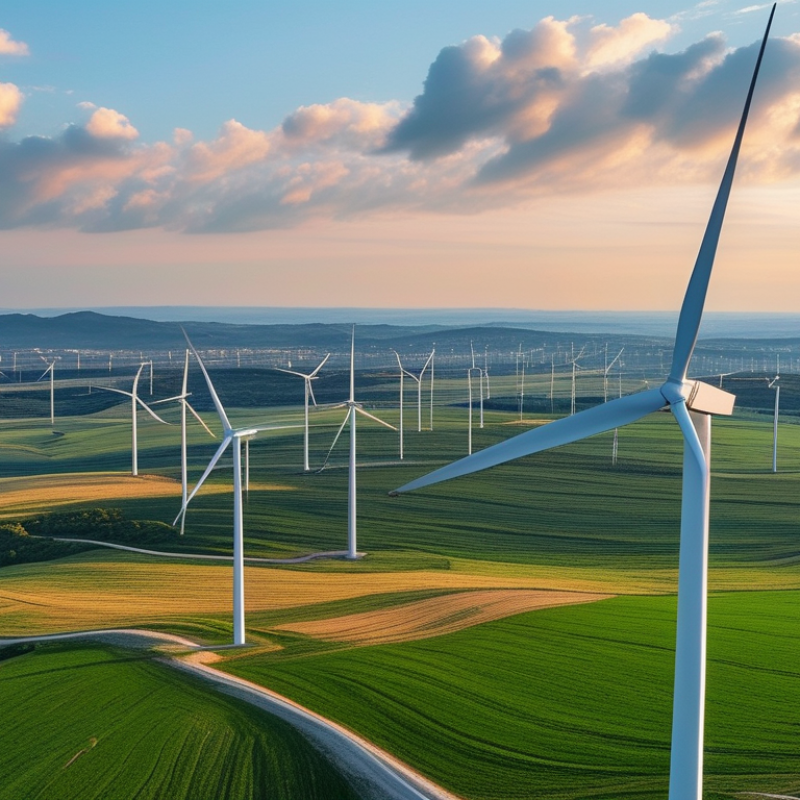
An air wind turbine is a device that converts wind energy into electricity. These turbines harness the kinetic energy produced by wind movement. They consist of blades, a rotor, and a generator. As the wind blows, it causes the blades to spin. This movement turns the rotor, generating electricity.
Air wind turbines come in various shapes and sizes. Some are tall with large blades, while others are smaller and more compact. The location of these turbines often impacts their efficiency. Areas with consistent wind patterns are ideal for installation. However, breathtaking views can be affected, leading to local opposition.
Despite their advantages, there are concerns. The noise produced can disturb wildlife and nearby residents. Turbines also pose a threat to birds. Studies show an increase in bird fatalities near some installations. These aspects highlight the need for careful planning. Balancing energy needs with environmental considerations remains a critical challenge.
The Components of an Air Wind Turbine
Air wind turbines are becoming increasingly popular as renewable energy sources. Understanding their components is vital for grasping how they function. The primary parts of an air wind turbine include the rotor, generator, tower, and control system.
The rotor consists of blades that capture wind energy. Typically, the blades’ design is aerodynamic, allowing them to spin efficiently. Data from the Global Wind Energy Council indicates that optimized rotor designs can improve energy capture by up to 20%. The generator converts the mechanical energy of the spinning rotor into electricity, playing a crucial role in the system. Towers provide the necessary height to capture stronger winds. Towers can reach heights of 100 meters or more, increasing efficiency by placing turbines in better wind conditions.
The control system manages turbine functions. It monitors wind speed and directs the rotor's orientation. However, not all systems are foolproof. Research shows that improper control adjustments can lead to 10% energy loss. This highlights the need for continuous monitoring and maintenance. Each component must work harmoniously for optimal performance, and even minor failures can significantly impact energy production.
How Air Wind Turbines Generate Electricity
Air wind turbines generate electricity by harnessing wind energy. When the wind blows, it creates lift on the turbine blades. This lift causes the blades to rotate. The motion of the blades turns a generator, converting kinetic energy into electrical energy. According to the Global Wind Energy Council, wind power capacity reached 743 GW globally by the end of 2021. This shows the growing reliance on wind energy as a sustainable power source.
The efficiency of air wind turbines can be impacted by several factors. Not all sites are ideal. Wind speed, turbine height, and local topography all play critical roles. For example, turbines require a minimum wind speed to start generating power. Reports indicate that wind turbines begin to operate efficiently at speeds of around 3-4 m/s. However, turbulence and gusty conditions can reduce their effectiveness.
While the technology is promising, challenges remain. Maintenance costs can vary. Turbines might not always produce power when needed. The intermittency of wind means backup systems are essential. As the industry seeks to innovate, improvements in turbine design and energy storage systems are being researched. As a result, wind energy’s reliability continues to evolve and is crucial for a sustainable future.
Electricity Generation by Air Wind Turbines (2022)
This bar chart illustrates the average electricity generation (in MWh) from air wind turbines across various wind speed ranges. As wind speed increases, the electricity generation potential also rises significantly, demonstrating the importance of wind conditions in the effectiveness of wind turbines.
The Benefits of Using Air Wind Turbines
Air wind turbines offer several compelling benefits, making them an attractive option for renewable energy. These turbines harness the kinetic energy from the wind and convert it into electricity. This process is clean and sustainable, reducing reliance on fossil fuels. Many regions with consistent winds can generate significant energy using these devices, promoting energy independence.
Additionally, air wind turbines have a low environmental impact. They occupy less space compared to traditional energy sources. This small footprint allows for efficient land use. Some critics argue that their installation can disrupt local wildlife. However, careful planning can mitigate these effects. By analyzing wind patterns and ecological data, we can choose optimal locations for turbine placement.
Furthermore, air wind turbines can lead to economic benefits. They create jobs in manufacturing, installation, and maintenance. Communities that embrace this technology can experience growth in local economies. Yet, transitioning to wind energy isn't without challenges. Initial costs can be high, and fluctuating wind can affect reliability. Engaging with local communities is critical for addressing concerns and building trust in these renewable solutions.
Challenges and Limitations of Air Wind Turbines
Air wind turbines have emerged as a renewable energy solution. However, their implementation faces several challenges and limitations. One significant hurdle is their efficiency. Research by the National Renewable Energy Laboratory indicates that traditional wind turbines achieve only about 35% efficiency in converting wind energy to electricity. Air wind turbines, in contrast, may have even lower efficiency due to factors like wind turbulence and design limitations.
Installation costs also present a barrier. According to a report from the International Renewable Energy Agency, the initial setup for wind installations can range from $1,000 to $5,000 per kilowatt. This high cost can deter investment, particularly in areas where wind resources are not optimal. Additionally, maintenance requirements may add ongoing expenses, which can affect the long-term feasibility of air wind turbines.
Tip: Consider local wind profiles before planning an air wind turbine installation. Understanding wind patterns can help in assessing potential energy production.
Many air wind turbines also face noise issues. This creates challenges in urban areas where residents are sensitive to sound. The technological design must evolve to minimize noise while maximizing performance.
Tip: Engage with the community early in the project. Gaining local support can mitigate objections related to noise and visual impact.
Despite their promise, air wind turbines must address these shortcomings. Continuous research and development are crucial for improving efficiency and reducing costs.