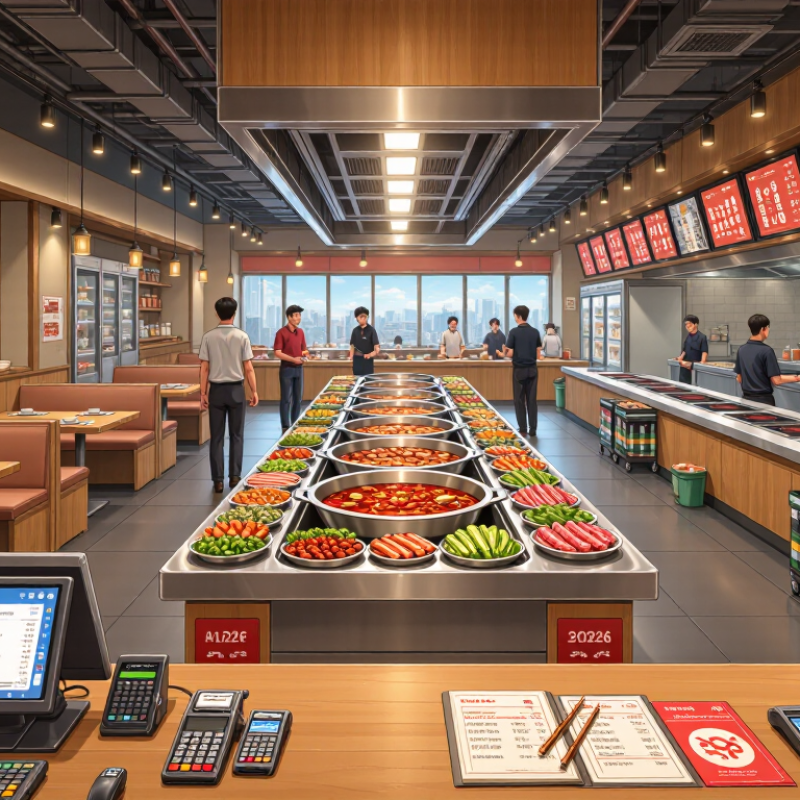
2026 Top Spicy Hot Pot Operating Fees for Buyers
A spicy hot pot purchase includes more than the cooking vessel. Buyers should calculate the full operating cost before signing an order. The main expense is usually equipment, including burners, induction units, tables, ventilation, storage, and safety controls. Commercial-grade materials cost more, but they often withstand daily cleaning and heavy service better. Installation also matters. Electrical upgrades, gas connections, plumbing, and delivery can change the final invoice.
Food costs follow closely. Broth ingredients, spices, fresh meat, vegetables, noodles, and dipping sauces require stable supply planning. Perishable items may create waste when customer traffic changes. Labor is another major cost. Staff need time for preparation, table service, cleaning, and equipment checks. Do not overlook training hours. They are easy to miss.
Utilities can become surprisingly expensive. Hot pots consume electricity or fuel throughout service, while ventilation and refrigeration operate continuously. Rent, permits, insurance, payment processing, packaging, repairs, and waste collection also affect the purchase decision. Buyers should request separate pricing for warranty coverage, replacement parts, software, and technical support. Ask for total landed cost, including shipping, taxes, and installation requirements in the destination market. A neat spreadsheet can still be wrong. Real usage may exceed estimates during busy evenings, while slow periods can expose unnecessary capacity. Comparing three detailed quotations helps reveal hidden fees and unrealistic assumptions.