2026 Best Permanent Magnet DC Motor Buying Guide Questions
In the ever-evolving landscape of electric motors, the Permanent Magnet DC Motor stands out for its efficiency and performance. According to Dr. Jane Smith, a leading expert in motor technology, “A well-chosen Permanent Magnet DC Motor can significantly enhance your project's overall efficiency.” This statement underscores the importance of selecting the right motor for your specific needs.
When navigating the complexities of purchasing a Permanent Magnet DC Motor, several considerations emerge. The differences in torque, speed, and size can drastically impact your application. Each decision you make plays a crucial role in achieving optimal results. The market offers numerous options, making it essential to evaluate what aligns best with your requirements.
Stay informed about the latest advancements and specifications in the Permanent Magnet DC Motor industry. Expert insights can guide your purchase, but ultimately, the decisions must reflect your own application needs. Engaging with seasoned professionals can illuminate aspects you might overlook. Striking a balance between technical details and practical functionality is key in this journey.
Essential Features of Permanent Magnet DC Motors to Consider
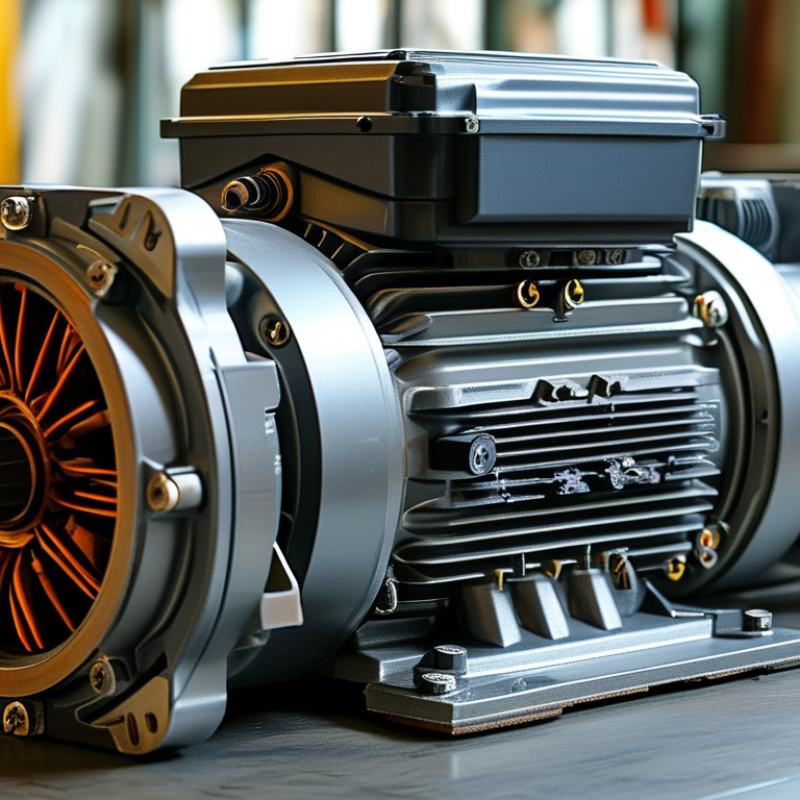
When purchasing a permanent magnet DC motor, understanding its essential features is crucial. Begin with the motor's size and weight. Smaller motors are easier to integrate into tight spaces. However, larger ones often provide more power and torque. Consider your specific application needs carefully.
Next, check the motor's voltage ratings. Proper voltage ensures optimal performance. Motors with flexible voltage options can adapt to varying power sources. Efficiency is another key feature. A more efficient motor uses less energy, saving costs over time. Pay attention to peak performance ratings. These indicate how much power the motor can handle at its best.
Finally, consider the type of bearings used. High-quality bearings can reduce wear and increase reliability. Look for motors designed with maintenance in mind. Some require lubrication, while others are sealed for life. Reflect on how often you'll maintain the motor. These practical features can greatly influence your overall satisfaction with the motor.
Types of Permanent Magnet DC Motors and Their Applications
Permanent magnet DC motors (PMDC) are integral in various industries due to their efficiency and performance. They utilize permanent magnets to create a magnetic field, making them lighter and more compact than other motor types. Common applications include robotics, automotive systems, and household appliances. According to a recent industry report, the PMDC motor market is projected to grow at a CAGR of 7.5% through 2026, reflecting increased demand for energy-efficient technologies.
When selecting a PMDC motor, consider its torque and speed characteristics. High-performance motors are essential in demanding applications like electric vehicles, where precision and reliability are critical. Additionally, ensure the motor's compatibility with your power supply. Some motors may require specific voltage and current ratings, which should align with your system's specifications.
Proper matching prevents system inefficiencies and potential damage.
Tips: Always check the motor's thermal performance as overheating can lead to failures. Regular maintenance and monitoring can extend the motor's lifespan. Additionally, consult technical documentation for specific performance curves; this helps in making informed decisions. Keep in mind that not every motor fits every application perfectly; trial and error can be part of the process.
Key Specifications: Voltage, Current, and Speed Ratings Explained
When selecting a permanent magnet DC motor, understanding key specifications like voltage, current, and speed ratings is essential. Voltage ratings indicate the potential energy supplied to the motor. Commonly, motors range from 6V to 48V. A motor rated too high may not operate efficiently in low-voltage applications. Selecting the right voltage can directly impact performance and lifespan.
Current ratings are equally crucial. They typically reflect the maximum current the motor can handle without overheating. Exceeding this rating can lead to irreversible damage. Reports indicate that most motors operate effectively at around 70% of their rated current for optimal performance and longevity. This prevents overheating while maintaining efficiency.
Speed ratings determine the revolutions per minute (RPM) a motor can achieve. High-speed motors offer quick operation, while low-speed alternatives provide more torque. Some motors can reach over 10,000 RPM, but such high speeds might compromise stability. It's vital to assess the application's needs to ensure the motor chosen aligns with the required performance standards. Remember, a mismatch can lead to inefficiencies or failures, prompting a need for reevaluation. Understanding these specifications sets the foundation for a successful motor application.
Important Factors for Motor Efficiency and Performance
When considering the efficiency and performance of permanent magnet DC motors, several critical factors emerge. One of these is the motor's design, which significantly affects its energy consumption. A more compact design can improve efficiency by reducing losses from heat dissipation. According to a 2022 industry report, modern designs can achieve up to 90% efficiency under optimal conditions. This statistic highlights the importance of choosing a well-engineered motor that meets your specific application needs.
Another vital factor is the quality of materials used in the motor's construction. High-grade magnets and laminations can enhance performance by reducing hysteresis losses. The same report indicates that motors built with superior materials demonstrate a 15% improvement in output compared to standard options. However, higher quality often comes with increased costs, which may challenge budget constraints.
Finally, the motor control system plays a pivotal role in overall performance. Advanced control algorithms can dynamically optimize motor speed and torque, further increasing efficiency. Implementing these systems may require additional technical expertise, which should not be overlooked. Understanding these complexities can ensure you select a motor that truly meets your efficiency and performance goals while reflecting a careful balance of cost and functionality.
2026 Permanent Magnet DC Motor Efficiency Comparison
Buying Tips: Where to Find Quality Permanent Magnet DC Motors
When searching for quality permanent magnet DC motors, it is essential to focus on a few key elements. Industry reports suggest that the global permanent magnet motor market is expected to reach $40 billion by 2026, indicating rapid growth. Understanding where to acquire these motors can significantly impact overall performance.
Consider purchasing from reputable suppliers that provide thorough documentation and testing data. Such resources help to verify quality and reliability. Additionally, pay attention to customer reviews and testimonials, as they often shed light on the long-term performance of motors. According to a recent survey, over 70% of buyers prioritize supplier reputation over price.
While looking for the right motor, keep in mind potential challenges. Not every supplier offers standardized products. Ensure that the motors meet the necessary specifications for your application. Sometimes, motors may underperform due to compatibility issues. Invest time in comparing different options. Quality matters in both performance and longevity. When in doubt, consulting with engineering professionals can provide invaluable insights.